


Silica Fume Manufacturers: Understanding Quality, Production and Industrial Applications
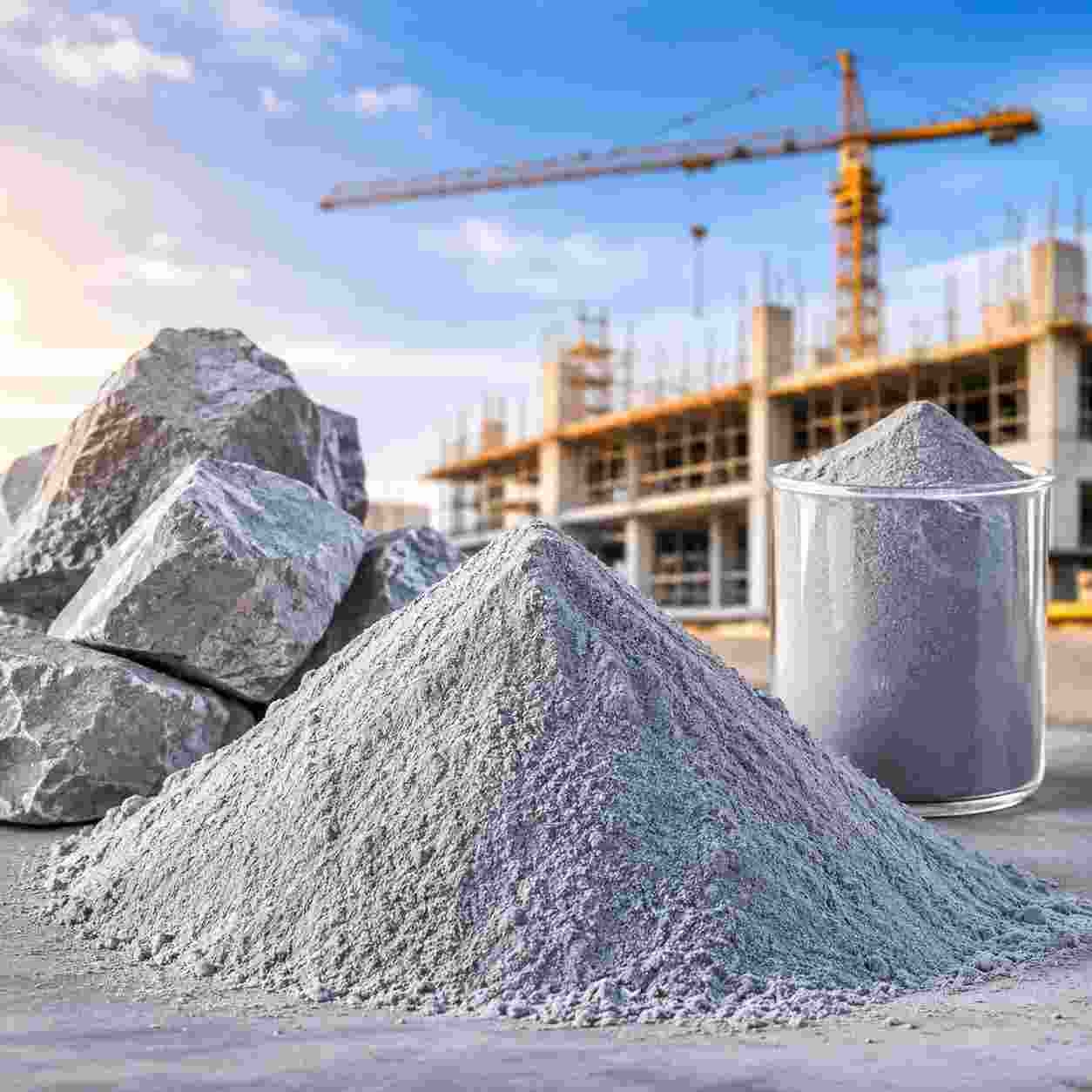
Industrial manufacturers increasingly depend on specialised raw materials to meet changing product performance and quality requirements. Silica fume is one such material that has gained importance in construction, refractory manufacturing, and other industrial applications. Its ultrafine particle structure and reactive silica content make it a valuable ingredient in several formulations. Businesses searching for dependable Silica Fume Manufacturers in India should understand how the material is produced, what determines its quality, and how to select the right grade for their requirements.
How Is Silica Fume Produced?
Silica fume is generated as a by-product during the production of silicon metal and ferrosilicon alloys in electric arc furnaces.
During the high-temperature manufacturing process, silica-containing raw materials undergo reduction. Fine silica-rich vapours are produced and subsequently oxidise and condense into extremely small amorphous particles.
These particles are collected through industrial filtration systems rather than being released into the atmosphere. The collected material is then processed, handled, and prepared for industrial use.
Depending on the intended application and commercial requirements, silica fume may be supplied in densified or undensified forms.
Understanding the Main Quality Characteristics
The performance of silica fume depends on its chemical and physical properties. Manufacturers, construction companies, and industrial procurement teams should understand the following parameters.
Silicon Dioxide Content: The SiO₂ percentage is an important indicator of the material's chemical composition and should be evaluated against the required specification.
Moisture Content: Excessive moisture can create storage and handling difficulties and may influence the condition of the supplied powder.
Loss on Ignition: LOI provides information about the mass lost during a specified heating procedure and is an important quality parameter.
Particle Fineness: The extremely fine particles contribute to the material's filler effect and reactivity in cement-based systems.
Bulk Density: This parameter is especially relevant for packaging, storage, transportation, and handling operations.
Buyers should compare these characteristics with the technical requirements of their intended applications rather than relying on a single specification.
Major Industrial Applications of Silica Fume
1. Concrete and Construction Materials
Silica fume is widely used in high-performance concrete, precast products, bridge decks, tunnels, and specialised construction applications. It can improve particle packing, reduce permeability, and contribute to strength development.
2. Refractory Manufacturing
In refractory castables, silica fume can improve particle packing and contribute to the performance of cementitious or other binder systems. Its suitability depends on formulation design, impurity levels, and operating temperature requirements.
3. Fibre Cement Products
Silica fume is used in selected fibre cement formulations, including products designed for construction applications. Its fine particles can influence the density and performance of the finished material.
4. Industrial Grouts and Mortars
Specialised grouts and repair mortars may incorporate silica fume to achieve improved density, strength, and resistance to fluid penetration.
5. Other Specialised Applications
Depending on the grade and formulation, silica fume may also be used in oil-well cementing, ceramics, polymers, and other industrial products.
How to Evaluate a Silica Fume Manufacturer
Choosing a manufacturer or sourcing partner requires a structured evaluation process.
First, examine the available product specifications and request relevant technical documents. These should explain the material's chemical composition, physical properties, and recommended applications.
Second, evaluate quality management practices. Consistent testing, batch identification, and traceable product information are important for industrial procurement.
Third, understand the supplier's product availability and ability to support the required order quantities. Manufacturers and distributors should communicate clearly about lead times, packaging, and repeat supply arrangements.
Finally, consider commercial transparency. Clear quotations, realistic delivery commitments, and professional communication help establish dependable business relationships.
Why Proper Storage and Handling Matter
Because silica fume consists of extremely fine particles, appropriate storage and handling procedures are essential.
The material should be protected from moisture and contamination. Packaging should remain properly sealed, and storage areas should be clean and suitable for powder-based industrial materials.
Workers involved in handling dry silica fume should follow applicable occupational health and safety guidance, including appropriate dust-control measures and personal protective equipment.
These precautions help maintain material condition and create safer working environments.
The Importance of Reliable Industrial Mineral Sourcing
For businesses purchasing silica fume regularly, selecting a sourcing partner is an important procurement decision. Product suitability, documentation, availability, and communication should all be considered.
Ochnology Solution offers industrial mineral sourcing options for businesses looking for materials across different industrial sectors. Its website provides product information for wholesalers, manufacturers, procurement professionals, and other interested buyers.
Conclusion
Silica fume is a versatile industrial material with applications extending beyond conventional concrete production. Its effectiveness depends on chemical quality, physical characteristics, suitable formulation, and correct handling.
Businesses looking for dependable raw material sourcing should evaluate experienced Silica Fume Manufacturers based on product specifications, quality consistency, supply capabilities, and professional service. A well-informed procurement decision can support manufacturing efficiency and help businesses establish sustainable industrial supply relationships.

