


Why Vacuum Packaging Matters in Commercial Kitchens
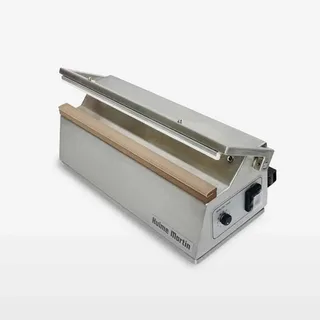
Running a commercial kitchen means managing ingredients, preparing meals, controlling costs and maintaining consistent food quality. Restaurants, hotels, catering companies and food production businesses all need practical ways to store ingredients efficiently. Vacuum Packaging offers a useful approach by removing air from suitable packaging before sealing, helping businesses manage food storage and preservation.
For busy food businesses, Vacuum Packaging can support better organisation and more controlled food handling. Whether a kitchen prepares ingredients in advance, stores portions for later use or packages products for distribution, choosing a suitable system can make everyday operations more efficient. The key is to understand how the process works and select equipment that matches the kitchen's actual needs.
How Vacuum Packaging Works
The basic principle of Vacuum Packaging is straightforward. Food is placed inside a suitable packaging bag or container, air is removed using a vacuum machine, and the package is sealed. Reducing the air inside the package can help slow certain forms of food deterioration, although it does not eliminate all causes of spoilage.
The process is commonly used for meat, fish, cheese, prepared ingredients and other suitable food products. The correct packaging material, sealing method and storage conditions depend on the food being handled. A kitchen should always follow appropriate food safety guidance rather than treating vacuum sealing as a replacement for refrigeration, freezing or hygienic handling.
Key Benefits of Vacuum Packaging for Food Businesses
One reason businesses consider Vacuum Packaging is its potential to improve how ingredients and prepared products are stored. When used correctly, it can help protect food from exposure to air and external contamination after sealing. This can be valuable in kitchens where ingredients are prepared in batches or stored for planned service periods.
Improved Food Preservation
Vacuum food preservation packaging can help slow oxidation and certain quality changes associated with exposure to air. For example, some foods may retain their colour, texture and flavour more effectively when packaged under suitable conditions. However, results vary according to the food type, packaging material, temperature and handling practices.
For commercial kitchens, Vacuum Packaging should be part of a wider food preservation approach. Products still need to be stored at the correct temperature, labelled accurately and used within appropriate safety periods. Vacuum sealing alone does not make perishable food safe to store at room temperature.
Better Storage and Kitchen Organisation
Storage space is valuable in a professional kitchen. Properly sealed packages can be easier to stack, label and arrange than some loosely stored ingredients. Vacuum sealed storage for food products can therefore help teams organise chilled or frozen stock and identify ingredients more easily.
With a consistent Vacuum Packaging routine, kitchen staff can divide ingredients into practical portions and prepare them for specific recipes or service requirements. Clear labels showing product names, preparation dates and storage instructions can further support stock rotation and reduce confusion during busy shifts.
Reduced Food Waste and Better Cost Control
Food waste can affect a commercial kitchen's operating costs. Ingredients that spoil before use represent lost money, additional purchasing and unnecessary waste. Vacuum Packaging may help businesses manage suitable ingredients more effectively by supporting planned portioning and storage.
For example, a catering team may package ingredients in measured quantities for upcoming events. A restaurant may also prepare certain components in advance, provided the food is suitable for the method and stored safely. By combining Vacuum Packaging with stock rotation and demand planning, businesses can make more informed purchasing and preparation decisions.
Choosing the Right Vacuum Packaging Equipment
Not every kitchen needs the same packaging machine. A small café preparing occasional batches may have different requirements from a food manufacturer packaging products throughout the day. Before investing in Vacuum Packaging, businesses should consider their daily packaging volume, available workspace, product types and budget.
The equipment should also be suitable for the packaging materials being used. Machine capacity, sealing performance, operating requirements and cleaning procedures are all worth reviewing. A practical purchase decision should focus on the kitchen's real workload rather than choosing the largest or most expensive machine by default.
Commercial Vacuum Packing Machines
Commercial vacuum packing machines are designed for businesses that need to package food as part of their regular operations. Depending on the model, equipment may offer different chamber sizes, sealing bars, operating controls and production capacities.
When comparing machines for Vacuum Packaging, consider how frequently the equipment will be used and the size of the products being sealed. It is also worth checking maintenance requirements, spare parts availability, operating instructions and after-sales support. These details can influence the overall value of the investment over time.
Selecting Equipment for Kitchen Requirements
A useful first step is to estimate how many packages the kitchen needs to prepare during a typical shift. Businesses should also consider whether they will package liquids, dry ingredients, raw products or prepared foods, as different applications may require specific equipment and techniques.
The right Vacuum Packaging solution should fit comfortably into the kitchen's workflow. Staff should be able to operate it safely, clean it according to the manufacturer's instructions and complete packaging tasks without creating unnecessary delays. Comparing specifications and asking suppliers relevant questions can help narrow down suitable options.
Understanding the Industrial Vacuum Sealing Process
The Industrial vacuum sealing process generally follows the same basic principle as smaller-scale vacuum packaging, but it is designed to accommodate larger workloads and more demanding production environments. Depending on the equipment, businesses may be able to package multiple products or larger quantities within a single operating cycle.
For food producers and high-volume kitchens, Vacuum Packaging equipment should be assessed according to production targets, package consistency and operational requirements. Machine performance, sealing quality and ease of maintenance can all influence daily productivity. Businesses should review the manufacturer's specifications to understand the machine's intended applications and limitations.
Food Safety Considerations for Vacuum Packaging
Food safety must remain a priority whenever Vacuum Packaging is used. Removing oxygen from a package does not remove harmful microorganisms, and some bacteria can grow in low-oxygen environments if food is handled or stored incorrectly. Certain vacuum-packed foods therefore require particular temperature controls and strict handling procedures.
Commercial kitchens in the UK should follow relevant food safety guidance and maintain suitable refrigeration or freezing conditions. Staff should receive appropriate training, packaging should be food-grade and products should carry clear labels with relevant storage information. Businesses should also follow applicable guidance for chilled, vacuum-packed and reduced-oxygen packaged foods, including any required shelf-life controls.
A reliable Vacuum Packaging routine depends on more than the machine itself. Clean preparation areas, correct portioning, suitable packaging materials and consistent temperature monitoring all contribute to safer food handling.
How Vanderstahl Fits into Your Packaging Research
Choosing equipment for a commercial kitchen requires careful research. Businesses comparing Vacuum Packaging options can explore brands and suppliers such as vanderstahl as part of their equipment research. Reviewing product specifications and asking relevant questions can help buyers understand whether a particular solution matches their packaging requirements.
Before making a purchase, compare machine capacity, packaging compatibility, cleaning requirements, maintenance needs and available support. It is also sensible to ask about demonstrations or technical information where available. A well-informed decision can help a kitchen avoid investing in equipment that does not suit its daily operations.
Conclusion: Making a Practical Investment in Vacuum Packaging
For restaurants, caterers and food producers, Vacuum Packaging can be a practical part of an organised food storage and preparation process. It may support improved product protection, more manageable storage, portion control and reduced food waste when combined with appropriate food safety practices.
The best solution depends on the type of food being packaged, the kitchen's production volume and the available budget. By comparing Commercial vacuum packing machines, understanding the Industrial vacuum sealing process and following safe storage procedures, businesses can make more confident equipment decisions.
If your business is exploring Vacuum Packaging solutions, take time to assess your requirements and compare suitable equipment before investing. Researching options from suppliers and brands such as vanderstahl can be one step towards finding a packaging setup that supports your kitchen's workflow, storage needs and long-term operational goals.

