


7 Warning Signs Your Car Needs Professional Brake Repair
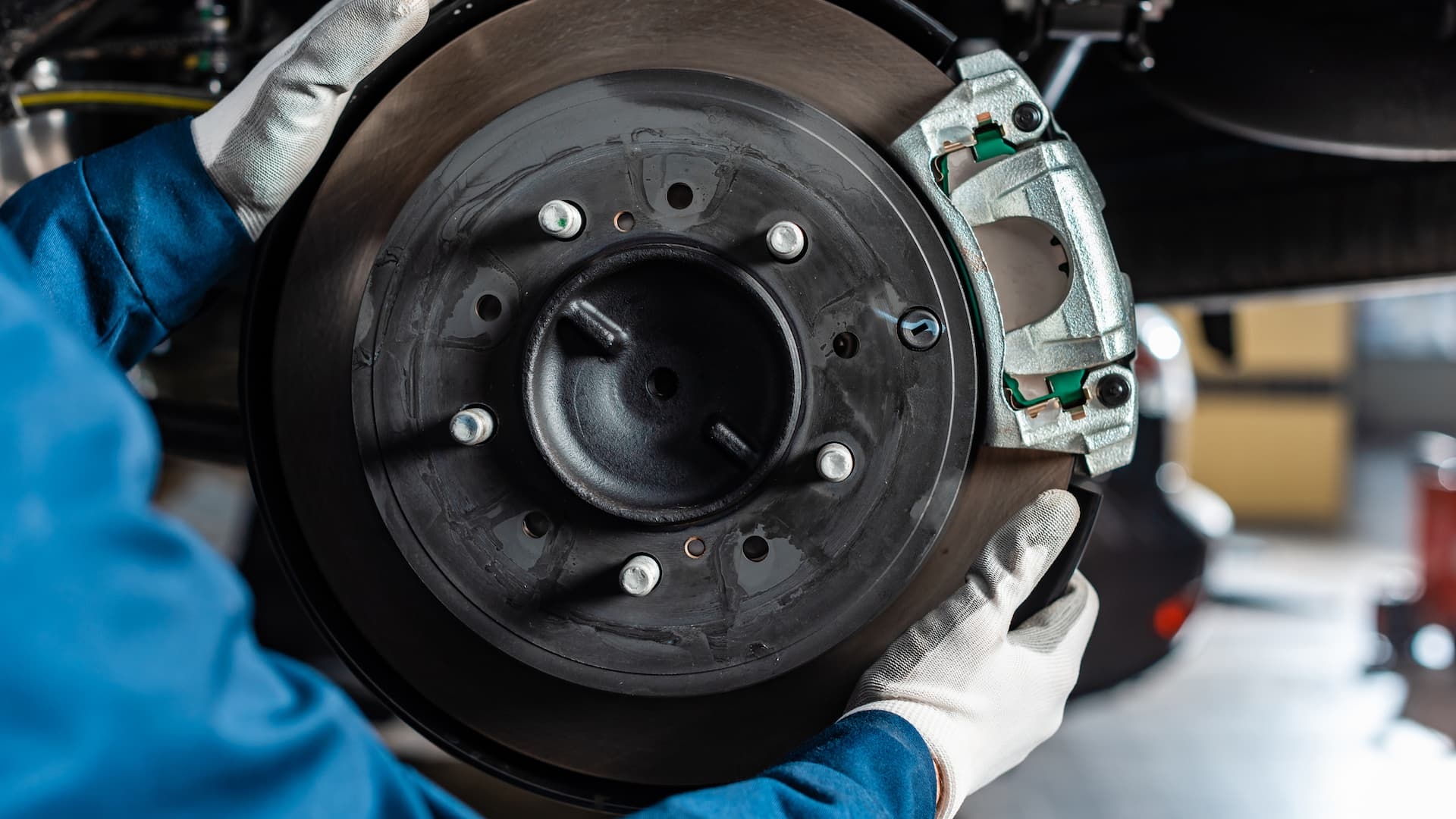
Your car's braking system is one of its most important safety features. Whether you are commuting to work, driving through busy city streets, or traveling on the highway, properly functioning brakes help you maintain control and stop your vehicle when necessary. However, brake components naturally wear down over time, and ignoring early warning signs can lead to expensive repairs and dangerous driving conditions.
Many drivers do not think about their brakes until they hear an unusual noise or notice that their vehicle takes longer to stop. Recognizing these problems early can help prevent further damage and keep your vehicle safe.
If you are driving in Houston, where daily commuting and frequent stop-and-go traffic can put additional demands on your braking system, regular brake inspections are especially important.
Here are seven common warning signs that indicate your vehicle may need professional brake repair.
1. Squealing or Screeching Noises When Braking
One of the earliest signs of brake trouble is a high-pitched squealing or screeching noise when you press the brake pedal.
Most modern vehicles have brake pads equipped with wear indicators. These small metal components create a noticeable sound when the brake pads become thin. This sound alerts drivers that the pads may need replacement.
However, not every brake noise indicates worn-out pads. Sometimes, squealing can result from moisture, dust, debris, or the type of brake pad material installed in your vehicle.
What should you do?
Pay attention to when the noise occurs. If it continues during normal braking or becomes louder over time, have your brake system inspected by a qualified technician. Replacing worn brake pads early can help prevent damage to the brake rotors.
2. Grinding Sounds When Applying the Brakes
Grinding is a more serious warning sign that should never be ignored.
When brake pads become excessively worn, their friction material may disappear, allowing the metal backing plates to contact the brake rotors. This metal-to-metal contact creates a harsh grinding sound.
Continuing to drive with this problem can damage the rotors and other braking components. What might initially require a brake pad replacement could turn into a more expensive repair involving additional parts.
Possible causes include:
-
Completely worn-out brake pads.
-
Damaged or severely worn brake rotors.
-
Debris trapped between braking components.
-
Damaged brake hardware.
What should you do?
If you hear continuous grinding while braking, stop driving when it is safe to do so and arrange a professional inspection. Avoid delaying repairs because damaged braking components can reduce stopping performance.
3. Your Car Takes Longer to Stop
Does your vehicle take longer than usual to come to a complete stop?
Increased stopping distance is one of the most important warning signs of a potential braking problem. When your brakes are working correctly, your vehicle should respond consistently when you press the pedal.
If stopping requires more distance or greater pedal pressure, something may be affecting the braking system.
Common reasons include:
-
Worn brake pads.
-
Damaged or worn brake rotors.
-
Low or contaminated brake fluid.
-
Malfunctioning brake calipers.
-
Problems with the hydraulic braking system.
Other factors, such as wet roads, tire condition, vehicle weight, and driving speed, can also affect stopping distance.
What should you do?
Do not assume that longer stopping distances are simply caused by normal vehicle wear. Have your brakes and tires inspected to identify the actual problem. If braking performance has noticeably decreased, avoid driving the vehicle until it has been checked.
4. Your Steering Wheel or Brake Pedal Vibrates
Another common indication of brake trouble is vibration when applying the brakes.
You might notice your steering wheel shaking, your brake pedal pulsing, or your entire vehicle vibrating as it slows down.
One possible cause is uneven brake rotor surfaces. Brake rotors work with the brake pads to create the friction needed to slow your vehicle. If the rotors develop uneven thickness or surface irregularities, braking may feel inconsistent.
However, vibration does not always mean the rotors are damaged. Tire problems, wheel issues, and suspension components can also cause similar symptoms.
What should you do?
Have a technician inspect the brake rotors, pads, wheels, and related components. Depending on their condition and manufacturer specifications, the technician may recommend rotor replacement, resurfacing where permitted, or another repair.
Addressing the problem early can improve braking performance and prevent additional component wear.
5. Your Vehicle Pulls to One Side While Braking
Does your car move toward the left or right when you press the brake pedal?
This behavior can indicate uneven braking force between the wheels. When one side of the braking system produces more stopping force than the other, your vehicle may pull in one direction.
Several problems can cause this issue, including:
-
A sticking or seized brake caliper.
-
Unevenly worn brake pads.
-
Damaged brake hoses.
-
Contaminated brake components.
-
Uneven tire pressure or wheel-related problems.
A malfunctioning brake caliper is particularly important to investigate because it may prevent the brake pads from applying or releasing pressure correctly.
What should you do?
Avoid ignoring this symptom, especially if the pulling becomes stronger during braking. Ask a qualified mechanic to inspect the braking system and check for related tire or suspension problems.
Proper diagnosis helps identify the underlying issue instead of replacing parts unnecessarily.
6. The Brake Pedal Feels Soft or Spongy
Your brake pedal should feel reasonably firm and respond consistently when pressed.
If it suddenly feels soft, spongy, or sinks closer to the floor than usual, there may be a problem with the hydraulic braking system.
Your vehicle uses brake fluid to transfer pressure from the brake pedal to the braking components at each wheel. If air enters the brake lines, fluid leaks occur, or the master cylinder develops a problem, the system may not maintain proper hydraulic pressure.
Possible causes include:
-
Air trapped inside the brake lines.
-
Low brake fluid.
-
Leaking brake hoses or lines.
-
A failing master cylinder.
-
Other hydraulic system problems.
What should you do?
A soft or sinking brake pedal requires immediate attention. Do not continue driving a vehicle with unreliable braking pressure. Arrange professional assistance or towing so the braking system can be inspected safely.
A technician can identify whether the vehicle needs brake fluid service, bleeding, component replacement, or hydraulic repairs.
7. The Brake Warning Light Appears on Your Dashboard
Modern vehicles use dashboard warning lights to alert drivers when certain systems require attention.
If your brake warning light stays illuminated after releasing the parking brake, it may indicate a problem that needs inspection.
Depending on your vehicle, possible causes include:
-
Low brake fluid levels.
-
A problem with the braking system.
-
A parking brake malfunction.
-
An issue with the anti-lock braking system (ABS).
-
A faulty brake-related sensor.
It is important to understand that the red brake warning light and the ABS warning light do not always indicate the same problem.
Your owner's manual can help explain the meaning of each warning indicator.
What should you do?
Never ignore a brake warning light. Check whether the parking brake is fully released. If the warning remains illuminated, arrange an immediate professional inspection. If the red brake warning light appears alongside unusual pedal behavior or reduced stopping power, stop driving and seek assistance.
Why Regular Brake Inspections Matter
Brake problems do not always appear suddenly. In many cases, brake pads, rotors, calipers, and other components gradually wear down before noticeable symptoms develop.
Regular inspections help identify problems before they become more serious.
A professional brake inspection may include:
-
Checking brake pad thickness.
-
Inspecting brake rotors for damage and uneven wear.
-
Examining calipers and brake hardware.
-
Checking brake fluid condition and level.
-
Inspecting brake hoses and hydraulic lines.
-
Evaluating overall braking performance.
There is no single brake replacement interval that works for every vehicle. Brake life depends on driving habits, vehicle type, road conditions, and component quality.
Drivers who frequently travel through stop-and-go traffic may experience different brake wear patterns than those who primarily drive on highways.
Following your vehicle manufacturer's maintenance recommendations and addressing unusual symptoms promptly can help keep your braking system in good condition.
Why Professional Brake Repair Is Important for Houston Drivers
Houston drivers experience a variety of road and traffic conditions, from busy urban streets to heavily traveled highways. Frequent braking, traffic congestion, and changing weather conditions can all influence vehicle maintenance needs.
When brake components begin to fail, professional diagnosis becomes important.
An experienced automotive technician can identify the source of the problem, determine which components require attention, and recommend appropriate repairs.
If you notice squealing noises, grinding sounds, longer stopping distances, or changes in brake pedal performance, consider scheduling an inspection rather than waiting for the problem to become worse.
Finding a reliable local repair shop also makes routine maintenance easier. Professional technicians can help you understand the condition of your brakes and make informed decisions about necessary repairs.
For drivers looking for dependable brake repair Houston services, Wise Car Care provides automotive repair solutions to help keep vehicles operating safely and reliably.
Frequently Asked Questions About Brake Repair
1. How do I know if my brake pads need replacement?
Common signs include squealing noises, grinding sounds, reduced braking performance, and visible thinning of the brake pad material. A professional inspection can determine whether replacement is necessary.
2. How often should I have my brakes inspected?
Brake inspection intervals depend on your vehicle manufacturer's recommendations and driving conditions. It is also important to have your brakes checked whenever you notice unusual sounds, vibrations, or changes in braking performance.
3. Can I drive with grinding brakes?
Driving with grinding brakes is not recommended. Grinding may indicate metal-to-metal contact between the brake pad backing plate and rotor, which can reduce braking performance and cause additional damage. Stop driving when safe and arrange professional assistance.
4. What causes a soft brake pedal?
A soft or spongy brake pedal may result from air in the brake lines, low brake fluid, hydraulic leaks, or a failing master cylinder. These issues require professional diagnosis.
5. Are brake pads and brake rotors replaced together?
Not always. Brake pads and rotors have different wear patterns. A technician will inspect both components and determine whether the rotors can remain in service or need replacement according to manufacturer specifications.
Final Thoughts
Your vehicle's braking system deserves regular attention because even small problems can affect your ability to stop safely. Squealing noises, grinding sounds, vibrations, longer stopping distances, and warning lights are all signs that your brakes may need professional attention.
Recognizing these symptoms early can help prevent additional damage, reduce repair costs, and improve your vehicle's overall safety.
If you notice any unusual changes in your brakes, do not wait for the problem to become worse. Have your vehicle inspected by an experienced automotive professional and address necessary repairs promptly.

