


How IFRS 9 Expected Credit Loss Is Reshaping Risk Management for South African Banks
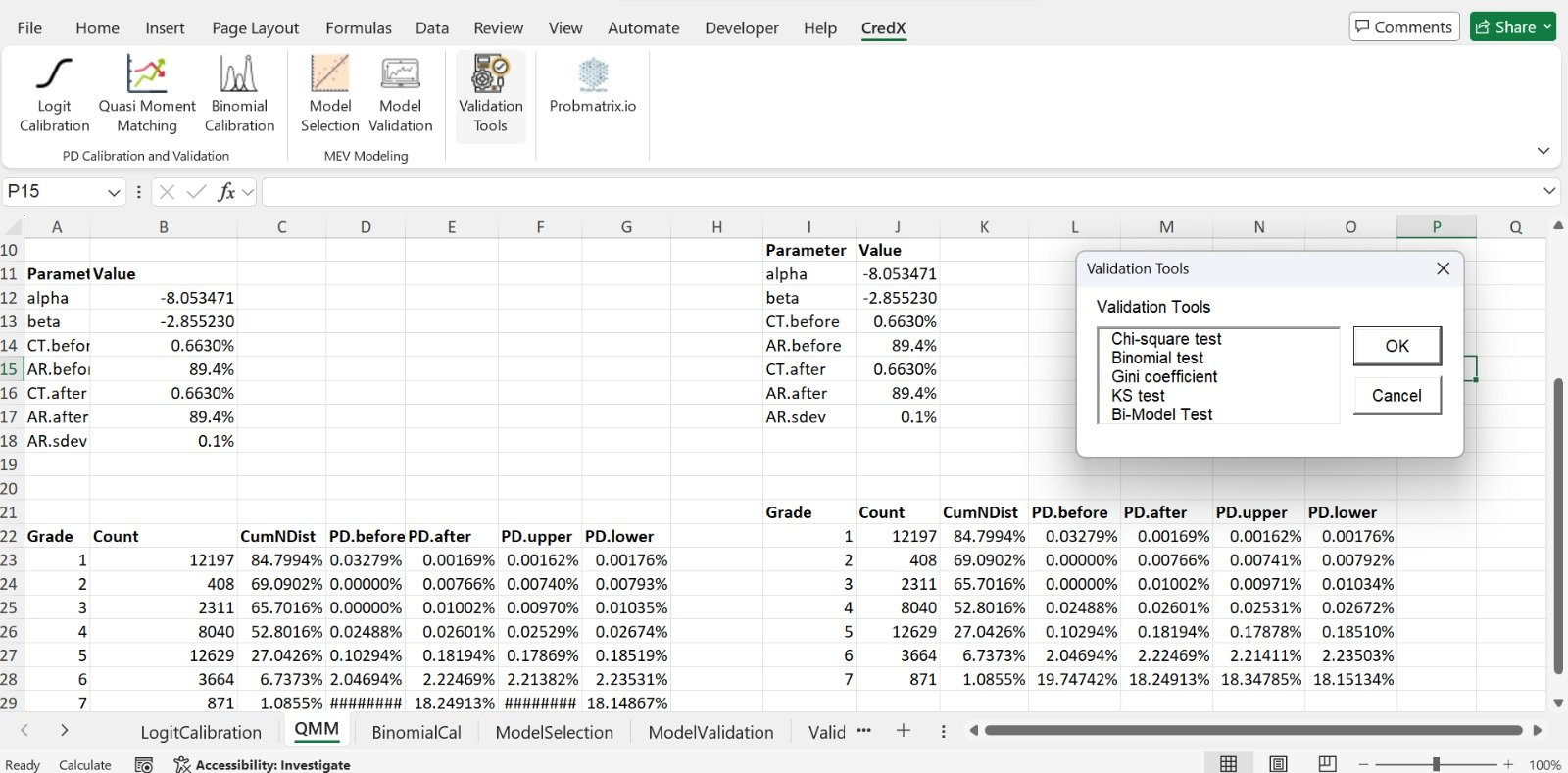
Financial institutions across the region are under growing pressure to forecast losses earlier and with greater accuracy. Working with experienced providers of IFRS 9 Consulting Services South Africa helps banks, insurers, and lenders turn a complex accounting standard into a practical, defensible framework. Since its introduction, IFRS 9 has changed how credit losses are recognised, moving the industry from a reactive mindset to a forward-looking one.
What Is IFRS 9 and Why Does It Matter?
IFRS 9 is the international financial reporting standard that governs how financial instruments are classified, measured, and impaired. It replaced the older incurred loss model with an expected credit loss (ECL) approach. Under this approach, institutions must recognise potential losses before a borrower actually defaults.
For South African lenders, this shift has had a direct effect on provisioning levels, capital planning, and profitability. Management teams now need a much clearer view of their loan books and the economic forces that influence them.
Understanding the Three-Stage Impairment Model
The ECL framework sorts financial assets into three stages based on changes in credit quality since origination.
Stage 1 covers assets with no significant increase in credit risk. Institutions recognise losses expected over the next 12 months.
Stage 2 applies when credit risk has increased significantly but the asset is not yet credit-impaired. Lifetime expected losses are recognised.
Stage 3 includes credit-impaired assets, where default has occurred or is considered highly likely. Lifetime losses are recognised, and interest income is calculated on the net carrying amount.
Moving an exposure between stages is one of the most judgement-heavy parts of the process, which is why clear and consistent criteria are essential.
Key Components of an ECL Calculation
Expected credit loss is built from three core inputs:
- Probability of Default (PD): the likelihood that a borrower will fail to meet their obligations within a given period.
- Loss Given Default (LGD): the portion of the exposure that is unlikely to be recovered after default.
- Exposure at Default (EAD): the estimated outstanding balance at the time of default.
These inputs are then adjusted using forward-looking information, such as interest rate movements, inflation, unemployment, and GDP growth. Many institutions run several economic scenarios and weight them by probability to arrive at a final provision.
Common Challenges Institutions Face
Implementation is rarely straightforward. Some of the most frequent difficulties include:
- Data quality and availability. Historical default and recovery data is often incomplete, inconsistent, or stored across disconnected systems.
- Defining a significant increase in credit risk. Poorly calibrated triggers can cause volatile stage movements and unexpected provision swings.
- Macroeconomic forecasting. Selecting appropriate scenarios and weights requires both statistical skill and sound judgement.
- Governance and documentation. Regulators and auditors expect clear evidence of how assumptions were set, approved, and monitored.
- Model complexity. Advanced models can improve accuracy, but they also raise the bar for explainability and oversight.
Best Practices for Strong IFRS 9 Compliance
Institutions that manage ECL well tend to follow a similar set of habits. They invest in clean, well-governed data and document every key assumption. They also back-test models regularly against actual outcomes and apply management overlays only when they are justified and transparent. Cross-functional collaboration between finance, risk, and IT teams is equally important, because ECL sits at the intersection of all three.
Equally valuable is ongoing monitoring. Economic conditions change quickly, and a model that performed well last year may drift if it is not reviewed. Establishing a routine review cycle protects both reporting quality and stakeholder confidence.
The Role of Independent Model Validation
Even a well-designed model can produce misleading results if it is not challenged. Independent review gives senior management, auditors, and regulators confidence that provisions are reasonable and methodologies are sound. It examines conceptual soundness, data integrity, performance, and the appropriateness of assumptions. Many institutions now treat professional Credit Risk Model Validation South Africa as a standard part of their governance cycle, as it reduces the risk of misstatement and strengthens the credibility of the entire ECL framework.
Conclusion
IFRS 9 has fundamentally changed how financial institutions think about credit risk. A strong ECL framework depends on reliable data, well-calibrated models, thoughtful judgement, and transparent governance. Institutions that treat the standard as a risk management opportunity, rather than a reporting burden, are better placed to make informed lending decisions and protect their capital.
Looking ahead, the most resilient organisations will be those that combine sound methodology with regular independent review. Partnering with qualified specialists can make that process faster, more reliable, and easier to defend under scrutiny.
Frequently Asked Questions (FAQs)
1. What is the main purpose of IFRS 9?
IFRS 9 sets the rules for classifying, measuring, and impairing financial instruments, with a strong focus on recognising expected credit losses earlier.
2. How is expected credit loss different from the incurred loss model?
The incurred loss model recognised losses only after a loss event occurred. The ECL model requires institutions to estimate and record losses in advance, using forward-looking information.
3. Who needs to comply with IFRS 9?
Banks, insurers, asset managers, and other entities that report under IFRS and hold financial instruments must comply.
4. What are the three stages of the impairment model?
Stage 1 covers performing assets, Stage 2 covers assets with a significant increase in credit risk, and Stage 3 covers credit-impaired assets.
5. How often should ECL models be reviewed?
Most institutions review models at least annually, with additional reviews when economic conditions or portfolio behaviour change materially.
6. Why is independent model validation important?
It provides an objective check on model design, data, and performance, helping to ensure that provisions are accurate and defensible.