


How Modern Utility Vehicles Support Outdoor Operations
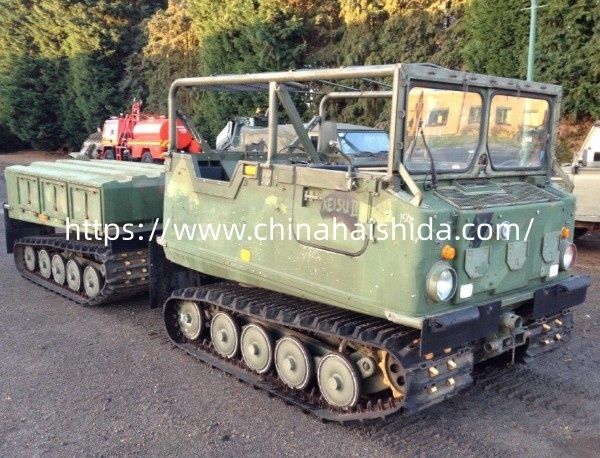
Transportation requirements become more demanding when vehicles must operate beyond established road networks. Agricultural fields, forest trails, construction areas, industrial facilities, and remote outdoor locations all present different mobility challenges. Specialized vehicles need to combine practical transportation functions with a structure suited to changing ground conditions. A Wheeled All-Terrain Vehicle provides a versatile mobility concept for applications where conventional passenger vehicles may have difficulty accessing certain working areas. Its suitability depends on material quality, chassis engineering, mechanical coordination, and the environment in which it will operate.
Material selection establishes the foundation of vehicle construction. The frame must support the main mechanical assemblies, occupants, and intended working equipment while maintaining structural integrity during movement. Steel is commonly used in structural applications because of its strength, durability, and fabrication characteristics. Aluminum alloys may be considered for selected components where weight management is important. Body panels and protective housings can use different materials according to their exposure to impact, moisture, sunlight, and environmental contamination.
Manufacturing quality is equally important. Welding, surface preparation, protective finishing, and component assembly all influence the vehicle's long-term condition. Vehicles used outdoors frequently encounter water, mud, dust, vegetation, and changing temperatures. Protective treatment can help reduce corrosion, while accessible structural arrangements make cleaning and inspection easier. Buyers should consider how the vehicle is manufactured rather than focusing only on its exterior appearance.
Selecting a suitable vehicle begins with identifying its intended working purpose. Agricultural operators may require convenient access to fields, transportation of tools, and movement between different cultivation areas. Forestry teams may prioritize mobility along irregular trails and routes with limited infrastructure. Industrial users may need transportation for personnel, inspection equipment, and maintenance supplies. Emergency response organizations may focus on reaching locations where ordinary road vehicles cannot provide convenient access. These applications involve different requirements, so purchasing decisions should reflect actual operational needs.
Terrain compatibility is one of the most important selection considerations. Wheeled platforms can support transportation across many outdoor surfaces, including gravel paths, grassland, established dirt roads, and mixed working routes. Tire selection, suspension design, ground clearance, steering characteristics, and vehicle weight distribution influence how the platform responds to changing conditions. Buyers should examine the relationship between these elements and their expected operating environment instead of assuming that every all-terrain configuration provides the same capabilities.
Functional engineering connects the vehicle's major systems. The chassis supports the body and mechanical assemblies, while the suspension helps the wheels respond to uneven ground. Steering and braking systems contribute to operator control, and the drivetrain transfers movement to the wheels. These systems need to work together to provide predictable handling. Their integration also influences maintenance accessibility and the vehicle's ability to support different working applications.
Modern vehicle technology can further improve practical usability. Electrical systems may support lighting, communication devices, instrumentation, and additional working accessories. Some specialized applications may require navigation equipment, protective enclosures, or customized storage arrangements. Buyers should evaluate these features according to their actual requirements. Additional equipment should be integrated without obstructing visibility, limiting operator movement, or creating difficulties during routine servicing.
The working environment influences nearly every aspect of vehicle selection. Agricultural locations may contain soft soil, standing water, and seasonal changes in ground conditions. Forestry operations introduce vegetation, branches, and irregular trails. Construction sites can involve loose materials, temporary routes, and unexpected obstacles. Remote industrial operations may expose vehicles to dust, moisture, and prolonged outdoor storage. Understanding these conditions helps buyers identify suitable structural protection and maintenance arrangements.
Operator experience is another important part of vehicle design. Seating comfort, visibility, entry and exit arrangements, control placement, and vibration management influence daily usability. Clear visibility is especially valuable when operating in wooded areas, agricultural environments, and locations with frequent obstacles. A logically arranged cabin helps operators access important controls without unnecessary movement. Storage compartments should also accommodate frequently used tools and supplies while maintaining an organized interior.
Design and appearance should reflect the vehicle's intended purpose. Exterior bodywork should protect important mechanical assemblies while allowing convenient access for inspection and maintenance. A well-organized cabin can improve the operator experience, while practical storage arrangements support different working tasks. For vehicles intended for multiple applications, adaptable mounting positions and modular equipment layouts can provide additional flexibility. A clean, functional exterior should complement the mechanical design rather than introduce unnecessary complexity.
Purchasing decisions should also consider the manufacturer's experience, customization capabilities, and after-sales support. Fleet operators may require consistent configurations across different vehicles, while specialized users may need customized arrangements for particular working environments. Discussing application requirements with the manufacturer can help clarify suitable vehicle configurations, maintenance expectations, and equipment integration possibilities.
LIN HAI HAISDER MACHINERY CO.,LTD. develops specialized mobility solutions, including tracked utility vehicles and amphibious platforms for agricultural, firefighting, emergency rescue, and other outdoor applications. When comparing a Wheeled All-Terrain Vehicle with tracked or amphibious alternatives, buyers should assess terrain conditions, transportation requirements, maintenance resources, and operational flexibility. To explore the company's specialized vehicle solutions and customization capabilities, visit its official website at https://www.chinahaishida.com.

