


How Do You Know When Your Brake Pads Need Replacing?
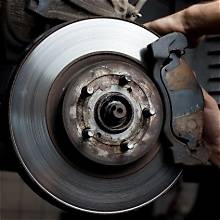
How Do You Know When Your Brake Pads Need Replacing?
Brake pads are one of the most important components of your vehicle's braking system. They help your car slow down and stop safely by creating friction against the brake rotors. However, brake pads gradually wear down with regular use, and ignoring the signs of worn brake pads can affect braking performance, increase repair costs, and put your safety at risk.
Many drivers do not realize their brake pads need replacing until they hear unusual noises or experience changes in how their vehicle stops. Recognizing the early warning signs can help you address brake problems before they become more serious.
In this guide, we will explain how brake pads work, the common signs that indicate they need replacement, what affects their lifespan, and why regular brake inspections are important.
What Are Brake Pads and How Do They Work?
Brake pads are friction materials installed inside the brake calipers. When you press the brake pedal, hydraulic pressure pushes the caliper pistons against the brake pads. The pads then press against the rotating brake rotors, creating friction that slows down the wheels.
This friction produces heat and gradually wears down the brake pad material. Over time, the pads become thinner and lose some of their ability to generate effective braking friction.
Because brake pads are designed to wear out, they require periodic inspection and replacement. Keeping them in good condition helps maintain consistent stopping power and protects other braking components.
7 Warning Signs Your Brake Pads Need Replacing
Recognizing brake pad wear early can help prevent more expensive repairs. Here are seven common signs every driver should understand.
1. Squeaking or Squealing Noises
One of the earliest signs of worn brake pads is a high-pitched squeaking or squealing noise when applying the brakes.
Many brake pads include a small metal wear indicator that makes contact with the rotor as the friction material becomes thin. This produces a noticeable sound to alert drivers that the pads may need replacement.
However, squeaking does not always mean the pads are worn out. Dust, moisture, surface rust, or certain brake materials can also cause temporary noise.
If the sound continues during normal driving, have your braking system inspected by a qualified technician.
2. Grinding Sounds When Braking
A grinding noise is a more serious warning sign. It may indicate that the brake pad friction material has worn away, allowing the metal backing plate to contact the brake rotor.
Metal-to-metal contact can damage the rotors and reduce braking effectiveness. Continuing to drive with this condition may lead to additional repairs.
If you hear persistent grinding when applying the brakes, arrange a professional inspection as soon as possible. Avoid driving the vehicle if braking performance has noticeably deteriorated.
3. Longer Stopping Distances
Do you feel that your vehicle takes longer to stop than it used to?
Worn or damaged brake pads can contribute to reduced braking performance. Other issues, including contaminated brake components, overheated rotors, or hydraulic problems, may also increase stopping distances.
If your vehicle requires more distance to come to a complete stop, do not ignore the change. Have the braking system checked to identify the underlying problem.
4. Brake Pedal Vibration or Pulsation
If you feel vibration or pulsation through the brake pedal when slowing down, there may be a problem with your brake rotors or other braking components.
Uneven rotor surfaces, rotor thickness variations, or deposits from brake pad material can contribute to this sensation.
Although brake pads are not always the direct cause, worn or uneven pads may be part of a broader braking problem. A professional inspection can help determine whether the pads, rotors, or other components need attention.
5. Brake Pad Thickness Looks Too Thin
You can sometimes check your brake pads visually through the spaces between your wheel spokes.
Look for the friction material attached to the metal backing plate. If the material appears very thin, the pads may be approaching the end of their useful life.
As a general guideline, brake pads around 3 millimeters thick or less often require replacement, depending on the vehicle manufacturer's specifications.
However, not every vehicle allows an easy visual inspection. A qualified technician can accurately measure pad thickness and determine whether replacement is necessary.
6. Brake Warning Light Appears
Some vehicles have dashboard warning systems that alert drivers when there is a potential braking issue.
Depending on the vehicle, a warning light may indicate low brake fluid, a parking brake issue, or a brake pad wear sensor detecting excessive wear.
Not every vehicle has a dedicated brake pad warning light, so drivers should never rely on dashboard alerts alone.
If a brake warning light stays on, check your owner's manual and arrange an inspection. A red brake warning light, especially when accompanied by reduced braking performance, should be treated seriously.
7. Your Vehicle Pulls to One Side When Braking
If your car pulls left or right when you press the brake pedal, it may indicate uneven braking force.
Possible causes include uneven brake pad wear, a sticking caliper, damaged brake hoses, or problems with the braking system.
Uneven pad wear can also suggest that certain brake components are not operating correctly.
A professional inspection can identify the source of the problem and help restore balanced braking performance.
How Long Do Brake Pads Usually Last?
Brake pad lifespan depends on several factors, including driving habits, vehicle weight, road conditions, and the type of brake pads installed.
Many brake pads last approximately 25,000 to 70,000 miles, although some may wear out sooner or last longer.
For example, drivers who frequently travel through heavy traffic may use their brakes more often than those who mainly drive on highways.
The best way to determine when your brake pads need replacement is to follow your vehicle manufacturer's maintenance recommendations and schedule regular brake inspections.
What Factors Cause Brake Pads to Wear Out Faster?
Several conditions can shorten brake pad lifespan.
Frequent Stop-and-Go Driving
Driving in congested areas requires repeated braking. This increases friction and heat, causing brake pads to wear faster.
Aggressive Driving Habits
Sudden stops, hard braking, and driving at high speeds can increase brake pad wear.
Heavy Vehicle Loads
Carrying heavy cargo or towing trailers puts additional pressure on the braking system. More braking force may be required to slow the vehicle.
Driving in Hilly Areas
Repeated braking while driving downhill can generate excessive heat and accelerate brake pad wear.
Poor Brake Component Condition
Sticking calipers, damaged hardware, or other mechanical issues can cause uneven brake pad wear and reduce braking efficiency.
Can You Replace Brake Pads Without Replacing Rotors?
In some situations, brake pads can be replaced without replacing the rotors.
If the rotors are within the manufacturer's thickness specifications and have no significant damage, they may be suitable for continued use with new pads.
However, rotors with deep grooves, cracks, excessive wear, or thickness variations may need resurfacing or replacement, depending on manufacturer specifications.
A technician should inspect the rotors whenever brake pads are replaced to ensure the entire braking system operates correctly.
Why Is Professional Brake Inspection Important?
Brake inspections help identify worn components and potential problems before they affect your vehicle's safety.
During a typical brake inspection, technicians may check:
-
Brake pad thickness and condition.
-
Brake rotor surface and thickness.
-
Brake calipers and mounting hardware.
-
Brake fluid level and condition.
-
Brake hoses and visible connections.
-
Signs of uneven wear or fluid leakage.
If you notice squealing, grinding, unusual vibrations, or longer stopping distances, professional attention is especially important.
Drivers looking for dependable brake maintenance and repair should consider professional brake repair services. Wise Car Care provides brake repair solutions to help identify braking issues and maintain reliable vehicle performance.
Addressing brake problems early can help prevent further component damage and maintain reliable stopping performance.
How Can You Make Your Brake Pads Last Longer?
Although brake pads naturally wear down, good driving habits can help extend their lifespan.
Consider these practical tips:
-
Maintain a safe following distance to reduce sudden braking.
-
Avoid unnecessary hard stops whenever possible.
-
Reduce speed before approaching traffic signals and intersections.
-
Avoid carrying unnecessary weight in your vehicle.
-
Follow recommended brake maintenance intervals.
-
Have your braking system inspected regularly.
-
Address unusual brake noises or performance changes promptly.
These habits can help reduce unnecessary brake wear and support better vehicle safety.
Frequently Asked Questions (FAQs)
1. How do I know if my brake pads need replacing?
Common warning signs include squeaking, grinding noises, longer stopping distances, thin brake pad material, and changes in braking performance. A professional inspection can confirm whether replacement is necessary.
2. How thick should brake pads be before replacement?
Brake pads around 3 millimeters thick or less generally need replacement soon. However, the correct replacement threshold depends on the vehicle manufacturer's recommendations.
3. Can I drive with worn brake pads?
Driving with worn brake pads is unsafe. Severely worn pads can reduce braking performance and damage the rotors. Have them inspected and replaced when necessary.
4. Should I replace all four brake pads at once?
Not necessarily. Brake pads are generally replaced in axle pairs, meaning both front or both rear pads should be replaced together to maintain balanced braking performance.
5. Do new brake pads always require new rotors?
No. If the existing rotors meet manufacturer specifications and are in good condition, they may be reused. A technician should inspect them before installing new pads.
6. How often should I have my brakes inspected?
Follow your vehicle manufacturer's maintenance schedule. It is also a good idea to have your brakes checked whenever you notice unusual noises, vibrations, or changes in stopping performance.
Final Thoughts
Brake pads play an essential role in keeping your vehicle safe on the road. Recognizing warning signs such as squeaking, grinding, thin pad material, and longer stopping distances can help you identify potential problems before they become more serious.
Regular inspections, responsible driving habits, and timely brake pad replacement can help maintain reliable braking performance and protect other braking components.
Never ignore changes in how your brakes sound or feel. If you suspect your brake pads are worn, arrange a professional inspection to determine the right solution for your vehicle.

