


Laser Cleaning Machine: Modern Solutions for Industrial Surface Preparation
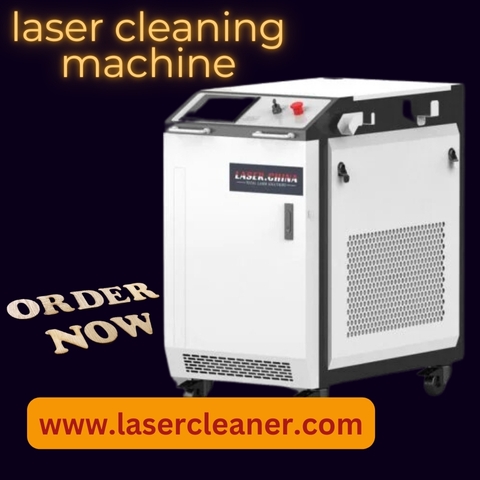
Industrial cleaning plays an important role in maintaining product quality, equipment performance, and manufacturing efficiency. Traditional cleaning techniques often involve chemicals, abrasive materials, or manual labor, which can increase maintenance time and operating costs. Modern laser technology offers a more precise and efficient approach to surface preparation.
A laser cleaning machine uses a concentrated laser beam to remove rust, paint, oil, oxidation, dust, and other unwanted contaminants from different materials. It is becoming an increasingly popular solution across manufacturing, automotive, aerospace, metalworking, and restoration industries.
How Does Laser Cleaning Technology Work?
Laser cleaning works by directing high-energy laser pulses or a continuous laser beam onto a contaminated surface. The laser energy interacts with the unwanted material, causing it to separate, evaporate, or detach from the underlying surface.
The cleaning process can be adjusted according to the material, contamination level, and required cleaning depth. Operators can control parameters such as laser power, scanning speed, frequency, and focal distance to achieve the desired results.
This technology is suitable for cleaning various metal surfaces, including stainless steel, carbon steel, aluminum, and other industrial materials.
Common Applications Across Industries
Laser cleaning technology serves a wide range of industrial applications. Its versatility makes it useful for both routine maintenance and specialized manufacturing processes.
Rust and Oxidation Removal: Metal components exposed to moisture and environmental conditions can develop rust over time. Laser treatment removes unwanted oxidation and prepares surfaces for further processing, painting, or coating.
Paint and Coating Removal: Manufacturing companies often need to remove old paint, protective coatings, or surface treatments before repairs or refinishing. Laser systems provide controlled removal for these applications.
Mold and Tool Cleaning: Plastic injection molds, rubber molds, and industrial tools require regular cleaning to maintain production quality. Laser technology can remove accumulated residues without relying on chemical cleaning agents.
Welding Surface Preparation: Clean surfaces are essential for achieving consistent welding results. Laser cleaning can remove oil, rust, and oxidation before welding operations.
Industrial Equipment Maintenance: Factories can use laser systems to clean machinery components, metal structures, and production equipment as part of their regular maintenance programs.
Choosing the Right Laser Cleaning System
Selecting suitable equipment depends on the specific requirements of your business. Before purchasing, consider the type of materials you intend to clean, the thickness of contamination, and the size of the working area.
Laser power is an important consideration. Lower-power systems may be suitable for light cleaning, precision work, and delicate surfaces, while higher-power equipment can handle demanding industrial applications.
You should also consider whether a pulsed or continuous-wave laser system is appropriate. Pulsed systems are commonly selected for precision cleaning and applications where heat input must be carefully controlled. Continuous-wave systems can be suitable for certain high-speed industrial cleaning operations.
Other purchasing considerations include cooling requirements, scanning width, portability, operating controls, maintenance support, and manufacturer experience.
Safety and Operating Considerations
Although laser cleaning reduces the need for many traditional chemical and abrasive processes, proper safety procedures remain essential. High-powered laser beams can cause serious eye and skin injuries.
Operators should use appropriate laser safety eyewear, protective equipment, and suitable enclosures or controlled working areas. Proper ventilation and extraction systems are also important because removing paint, rust, and other contaminants can generate airborne particles and fumes.
Training and following manufacturer instructions help ensure reliable operation and a safe working environment.
Why Manufacturers Are Investing in Laser Cleaning
As industrial production continues to evolve, manufacturers are looking for cleaning solutions that improve consistency and reduce unnecessary production interruptions. Laser technology supports automated production lines, precision maintenance, and repeatable surface preparation.
A modern laser cleaning machine can help businesses establish controlled cleaning processes for different industrial applications. Its flexibility also makes it suitable for workshops, factories, maintenance facilities, and specialized restoration projects.
Working with an experienced manufacturer is equally important. Reliable technical support, product customization, spare parts availability, and after-sales service can make a significant difference in long-term equipment performance.
Final Thoughts
Laser technology is transforming industrial surface preparation by providing a modern method for removing unwanted contaminants from different materials. From rust removal and paint stripping to mold maintenance and welding preparation, these systems offer versatile solutions for manufacturing businesses.
Choosing the right equipment requires understanding your application, material requirements, production capacity, and safety needs. With suitable specifications and professional support, laser cleaning can become a valuable part of an efficient industrial cleaning and maintenance process.

