


Slimmer Headsets, Sharper Experiences: The Evolution Of Pancake Display Optics
Augmented reality and virtual reality are creating new possibilities in entertainment, education, healthcare, industrial training, and professional visualization. As these technologies become more widely adopted, users increasingly expect wearable devices to deliver immersive visuals without becoming uncomfortable or unnecessarily bulky.
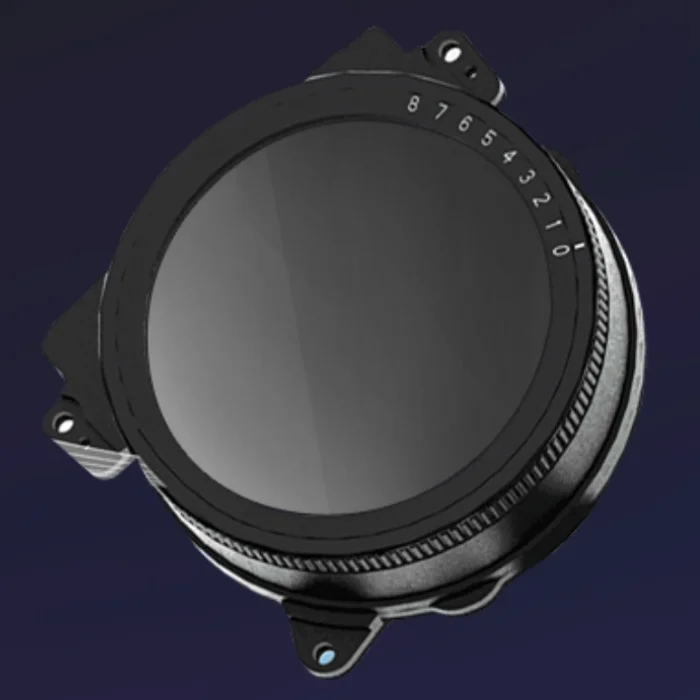
Optical engineering plays a major role in meeting these expectations. One technology attracting attention in modern near-eye display development is the Pancake optical module. This optical design uses a folded light path to help reduce the physical depth of display systems, making it useful for developing more compact head-mounted devices.
Understanding how this technology works can help manufacturers and product designers evaluate its potential for next-generation wearable displays.
What Is Pancake Optical Technology?
Pancake optics is an optical configuration commonly used in virtual reality headsets and other near-eye display systems. It uses a combination of reflective and polarizing optical elements to fold the path of light between the display and the viewer's eye.
Instead of requiring a long, straight optical path, the system redirects light within a relatively compact arrangement. This allows designers to reduce the distance between optical components and create thinner display assemblies.
The exact structure varies depending on the design, but polarization management and controlled reflection are central to how many pancake optical systems operate.
How Does A Pancake Optical Module Work?
The working principle involves directing light through multiple optical interactions before it reaches the viewer. A display panel generates the image, and the optical assembly uses specialized elements to reflect, transmit, and redirect the light.
Polarizers and reflective components help control the direction in which light travels. By folding the optical path, the system can provide the required viewing characteristics within a smaller physical space.
This arrangement requires careful optical design. Each component must work in coordination to maintain image quality and suitable brightness. Optical alignment, material properties, surface quality, and polarization performance can all influence the final result.
Key Benefits For Modern Display Development
Pancake optical configurations offer several advantages that make them attractive for compact wearable devices.
Reduced Optical Depth: Folding the light path allows designers to develop thinner optical assemblies compared with some conventional refractive configurations.
Compact Device Design: Smaller optical depth can create more flexibility when designing lightweight and space-efficient headsets.
Immersive Viewing: Properly engineered optical components help present magnified virtual images for near-eye applications.
Design Flexibility: Manufacturers can explore different optical configurations to meet specific requirements involving display size, viewing characteristics, and product dimensions.
However, pancake optics also involve engineering trade-offs. Multiple optical surfaces can reduce light transmission, making brightness and optical efficiency important considerations during system development.
Applications Across AR And VR Industries
Pancake optical technology is particularly relevant to devices where compact optical arrangements are important.
-
Virtual Reality Headsets: VR manufacturers can use pancake configurations to develop thinner head-mounted displays while maintaining the required virtual image presentation.
-
Mixed Reality Devices: Compact optical assemblies can support wearable products designed to combine digital content with elements of the physical environment.
-
Professional Visualization: Specialized headsets can help designers, engineers, and other professionals interact with digital models and immersive visual information.
-
Education And Training: Compact wearable displays can support simulations, interactive lessons, and practical learning environments.
-
Entertainment And Gaming: Optical systems contribute to the viewing experience in immersive gaming and multimedia devices.
The suitability of a particular module depends on the device's optical requirements, display technology, and intended user experience.
Important Factors When Choosing A Pancake Optical Module
Selecting the right optical component requires careful evaluation of both optical performance and product integration requirements.
1. Optical Efficiency: Light transmission is an important consideration because multiple reflections and polarizing elements can affect the amount of light reaching the eye.
2. Image Clarity: Resolution support, distortion, and optical aberrations should be evaluated according to the intended display application.
3. Field Of View: The visible area of the virtual image influences how immersive the overall experience feels.
4. Eye Box And Eye Relief: These characteristics affect viewing comfort and the range of positions from which users can see the displayed image clearly.
5. Component Dimensions: Physical size and weight influence the design of wearable products and their mechanical assemblies.
6. System Compatibility: The optical module should be suitable for the selected display panel and the overall headset architecture.
Evaluating these factors early helps manufacturers make informed decisions and reduce potential integration challenges.
The Future Of Compact Near-Eye Displays
The demand for smaller, more comfortable, and visually advanced wearable devices continues to encourage innovation in optical engineering. Pancake optics represents one approach to reducing headset depth while supporting immersive display experiences.
Future development is likely to focus on improving light efficiency, controlling optical distortions, expanding design flexibility, and balancing image quality with compact dimensions. Achieving these goals requires close cooperation between optical designers, component manufacturers, and display developers.
For companies developing next-generation AR and VR products, selecting suitable optical components is an important step toward successful product integration. ARV Optical provides specialized optical solutions for immersive display applications, including its Pancake optical module category. Exploring the available solutions and comparing their specifications with project requirements can help manufacturers identify suitable components for their display systems.

