


Comprehensive Overview of Technologies, Applications, and Ecosystems in Construction Robotics
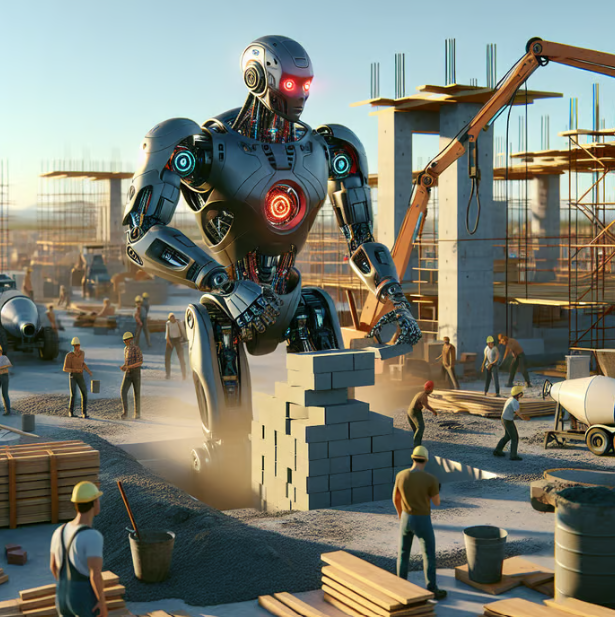
Mapping the Modern Construction Robotics Ecosystem
Understanding contemporary building automation requires examining the diverse machines, digital software layers, and operational workflows transforming jobsites worldwide. A thorough Construction Robot Market Overview reveals an interconnected ecosystem uniting autonomous field robots, off-site prefabrication cells, aerial inspection drones, and cloud-based BIM integration platforms. Rather than functioning as isolated gadgets, modern construction robots act as physical extensions of digital design environments. Architectural and structural models feed coordinates directly into robotic controllers, while onboard cameras and laser scanners capture as-built site telemetry to verify completion. This closed-loop digital workflow bridges the historical divide between office engineering plans and field execution, creating transparent, data-rich construction operations from initial excavation through final interior finishing.
Core Robot Categories Across Field and Factory Operations
Construction robotics spans several specialized machine classifications engineered for distinct phases of the building lifecycle. Demolition robots feature compact, tracked chassis equipped with hydraulic breakers and crushers capable of dismantling concrete interiors safely via wireless remote control. Bricklaying and masonry systems utilize articulated arms and automated mortar dispensers to construct commercial walls rapidly. Three-dimensional printing gantries and robotic arms extrude cementitious or polymer layers to fabricate residential homes and architectural elements. Autonomous heavy equipment kits retrofit excavators, dozers, and compactors for unmanned earthmoving. Additionally, mobile layout printers, rebar-tying bots, autonomous painting sprayers, and factory prefabrication robots address repetitive finishing and modular assembly tasks.
Enabling Technologies: Sensors, AI, and Navigation Systems
Advanced perception and control subsystems allow construction robots to operate reliably amidst dust, uneven terrain, changing weather, and moving obstacles. Light detection and ranging sensors, stereoscopic depth cameras, and ultrasonic arrays generate real-time three-dimensional maps of surrounding structures and human workers. Simultaneous localization and mapping algorithms enable mobile robots to navigate multi-story interiors where satellite GPS signals cannot penetrate. Ruggedized robotic total stations and millimeter-wave radar provide sub-centimeter positioning accuracy required for layout marking and structural drilling. Edge artificial intelligence processors analyze visual streams instantaneously to recognize building materials, detect safety hazards, and halt motion immediately if a worker enters a restricted safety envelope.
Key End-User Sectors and Project Applications
Robotic adoption spans public infrastructure, commercial real estate, industrial facilities, and residential housing developments. Public infrastructure agencies deploy autonomous earthmovers, tunnel-boring support robots, and bridge-inspection drones across highways, railways, and utility corridors. Commercial builders utilize floor-layout robots, ceiling-drilling arms, and autonomous material haulers to accelerate high-rise office towers, data centers, and hospital campuses. Residential developers leverage three-dimensional concrete printing and factory prefabrication robotics to produce affordable single-family homes and multi-family modular units faster. Meanwhile, industrial demolition contractors rely heavily on remote-controlled robotic breakers to renovate manufacturing plants, nuclear facilities, and chemical refineries safely.
Competitive Landscape and Ecosystem Collaborations
The global supplier landscape features a dynamic mix of established industrial robotics manufacturers, heavy construction equipment OEMs, and specialized construction-tech startups. Traditional industrial automation leaders adapt rugged articulated arms and collaborative robots for modular prefabrication factories and heavy material handling. Heavy machinery giants invest in autonomous grading, excavation software, and electric robotic platforms. Agile startups pioneer task-specific field solutions including bricklaying trucks, mobile layout printers, legged inspection robots, and three-dimensional concrete printers. Strategic partnerships between robotics developers, BIM software leaders, and major general contractors accelerate field validation and global commercial scaling.
➤ Latest Market Intelligence from Market Research Future:
Web3 In E-Commerce & Retail Market

