


How Do Dental Braces Support Healthy Teeth?
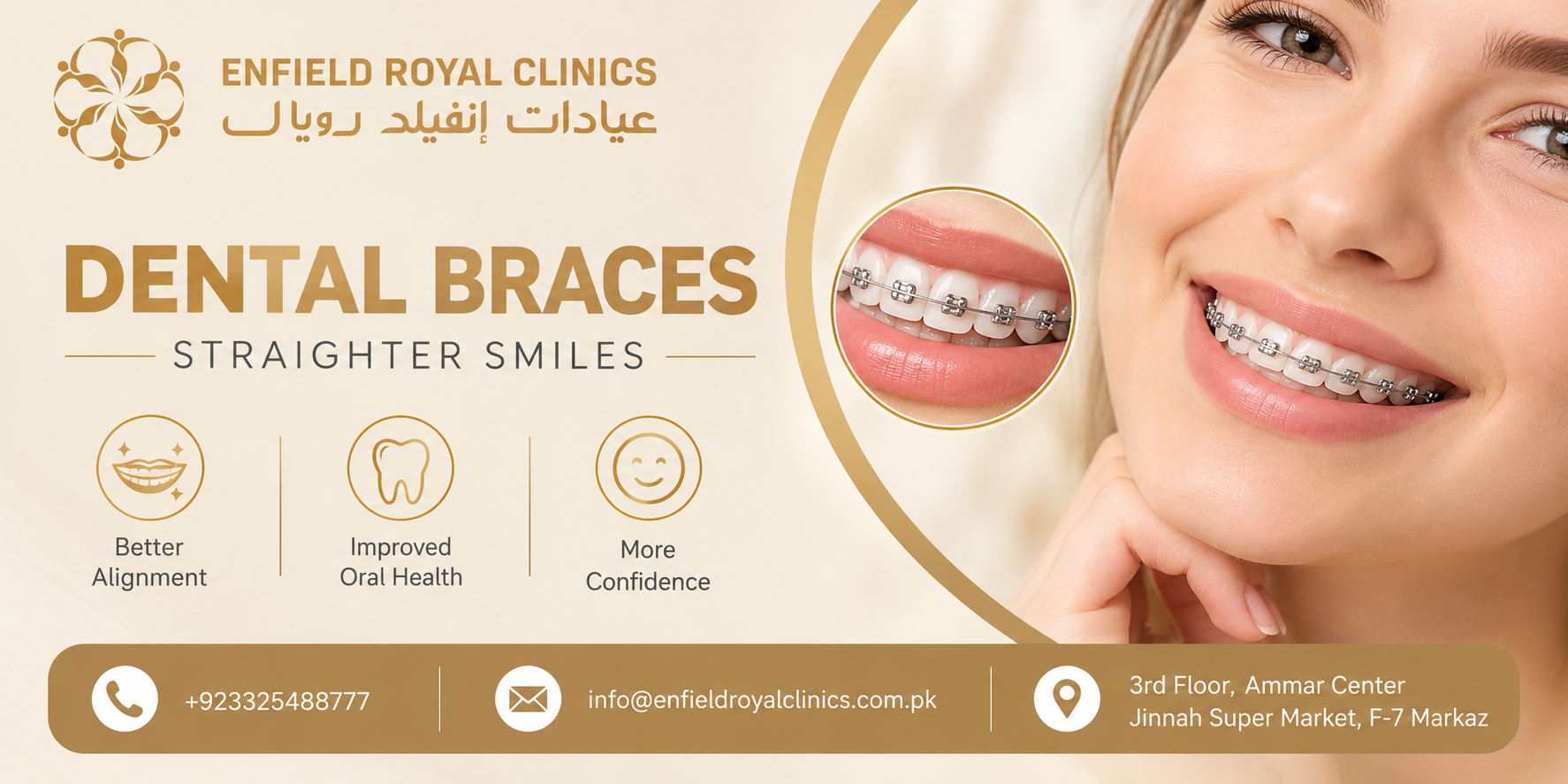
Healthy teeth are about more than having a bright, attractive smile. Proper tooth alignment, a balanced bite, and healthy gums all contribute to good oral health. However, crooked, crowded, or widely spaced teeth can sometimes make everyday dental care more difficult. Food particles may become trapped between overlapping teeth, certain areas may be difficult to brush, and an uneven bite can place extra pressure on particular teeth.
Dental braces help address these concerns by gradually moving teeth into better positions. Although many people consider orthodontic treatment for cosmetic reasons, braces can also support long-term dental health when they correct specific alignment and bite problems.
For individuals exploring Dental Braces in Islamabad, understanding how braces contribute to healthier teeth can help them decide whether orthodontic treatment is suitable. From improving oral hygiene to balancing chewing pressure, properly planned treatment can offer several benefits.
1. How Do Dental Braces Improve Tooth Alignment?
Tooth alignment plays an important role in maintaining a healthy mouth. Ideally, teeth should sit in positions that allow them to work together comfortably when biting and chewing. However, some people develop crowded, rotated, overlapping, or widely spaced teeth.
These alignment problems can affect both appearance and dental function. For example, crowded teeth may overlap, creating narrow spaces where food and plaque can collect. Teeth that sit at unusual angles may also make brushing and flossing less effective.
Dental braces use gentle, controlled pressure to move teeth gradually through the supporting bone. Small brackets are attached to the teeth and connected with orthodontic wires. As treatment progresses, adjustments guide the teeth towards their planned positions.
Improved alignment can help:
-
Create more manageable spaces for brushing and flossing.
-
Reduce overlapping areas where food particles collect.
-
Improve the way upper and lower teeth meet.
-
Make the smile look more balanced.
-
Support better distribution of chewing pressure.
The amount of improvement depends on the patient's original dental condition and treatment plan. An orthodontic examination helps determine which movements are needed and whether braces are the right option.
2. Can Dental Braces Make Oral Hygiene Easier?
One of the important ways braces may support healthy teeth is by making certain areas easier to clean after treatment. Crowded and overlapping teeth can create tight spaces that are difficult to reach with a regular toothbrush.
When plaque remains around teeth for extended periods, it can contribute to tooth decay and gum inflammation. Patients with significant crowding may therefore find it challenging to maintain consistent oral hygiene.
By correcting tooth positions, orthodontic treatment can create a more accessible arrangement for daily cleaning. Once the teeth are aligned, patients may find it easier to brush their tooth surfaces and clean between them.
However, braces themselves require careful hygiene during treatment. Brackets and wires can trap food particles, so patients need to pay extra attention to cleaning around orthodontic appliances.
Useful oral hygiene habits include:
-
Brushing after meals whenever possible.
-
Using fluoride toothpaste.
-
Cleaning around brackets and wires carefully.
-
Flossing daily with suitable orthodontic flossing tools.
-
Attending regular dental checkups.
-
Following professional advice about additional cleaning products.
Braces do not automatically prevent cavities or gum disease. Their benefits depend on proper treatment and consistent oral care throughout the process.
3. How Do Braces Help Correct Bite Problems?
A healthy bite allows the upper and lower teeth to meet in a balanced way. When the teeth or jaws do not align properly, certain teeth may experience more pressure during chewing.
Common bite problems include:
-
Overbite: The upper front teeth extend too far over the lower front teeth.
-
Underbite: The lower front teeth sit in front of the upper front teeth.
-
Crossbite: Some upper teeth sit inside the lower teeth when the mouth closes.
-
Open bite: The upper and lower front teeth do not meet when the mouth is closed.
These conditions can sometimes cause uneven tooth wear, difficulty biting certain foods, or discomfort during chewing.
Braces can gradually improve the position of teeth and, in selected cases, help manage bite-related concerns. Depending on the patient's age and jaw development, additional orthodontic appliances may also be recommended.
Correcting bite problems can help distribute chewing forces more evenly and reduce unnecessary pressure on individual teeth. However, severe jaw discrepancies may require a different or combined treatment approach.
4. Can Dental Braces Reduce the Risk of Dental Problems?
Misaligned teeth do not automatically cause dental disease, but certain alignment problems can make oral hygiene more difficult. When plaque and food debris collect in areas that are hard to clean, the risk of cavities and gum inflammation may increase.
Orthodontic treatment can help address some of these challenges by improving the arrangement of teeth. For example, reducing severe crowding may make it easier to reach previously difficult areas during brushing and flossing.
A properly aligned bite may also reduce excessive pressure on certain teeth. This can be helpful when uneven contact contributes to abnormal tooth wear.
Braces may support better dental health by:
-
Improving access for daily cleaning.
-
Reducing some food-trapping spaces caused by crowding.
-
Correcting certain bite-related problems.
-
Supporting more balanced contact between teeth.
-
Helping create a better foundation for long-term dental maintenance.
It is important to understand that braces cannot guarantee freedom from cavities, gum disease, or other oral health conditions. Regular dental visits, healthy eating habits, and good hygiene remain essential even after treatment.
5. Which Types of Dental Braces Are Available for Patients?
Different orthodontic options are available depending on the patient's dental condition, lifestyle, and treatment goals. An orthodontic professional can recommend a suitable option after examining the teeth and bite.
Traditional metal braces use metal brackets and wires to move teeth gradually. They are widely used and can manage many types of alignment and bite problems.
Ceramic braces work in a similar way but use tooth-coloured or transparent brackets. They are less noticeable than traditional metal braces and may appeal to patients who prefer a more discreet appearance.
Lingual braces are attached to the inner surfaces of teeth. Their position makes them less visible from the front, although they may require an adjustment period.
Clear aligners are removable transparent trays that gradually guide teeth into planned positions. They can be convenient for suitable cases, but patients must wear them for the recommended number of hours each day.
Not every option is suitable for every dental problem. The choice depends on the complexity of tooth movement, bite concerns, oral health, and patient cooperation.
People considering Dental Braces in Islamabad should discuss the advantages and limitations of each option before starting treatment.
6. What Should Patients Do to Keep Their Teeth Healthy During Braces Treatment?
Maintaining healthy teeth during orthodontic treatment requires consistent care. Braces create additional areas where food and plaque can collect, so patients need to develop a careful cleaning routine.
Brushing should be performed gently around each bracket and along the gumline. An orthodontic toothbrush or interdental brush may help reach small spaces around wires and brackets. Daily flossing is also important, although patients may need special floss or flossing tools to clean effectively.
Food choices matter as well. Hard foods can break brackets, while sticky and chewy foods may become trapped in orthodontic appliances. Patients are generally advised to avoid ice, hard candies, chewing gum, and very hard snacks during treatment.
Other helpful practices include:
-
Drinking water regularly, especially after meals.
-
Limiting sugary snacks and drinks.
-
Avoiding habits such as biting pens or chewing hard objects.
-
Keeping scheduled orthodontic appointments.
-
Reporting loose brackets or damaged wires promptly.
-
Visiting a dental professional for routine checkups and cleaning.
Some temporary soreness may occur after braces are fitted or adjusted. This is generally manageable, but persistent pain, swelling, or unusual symptoms should be discussed with a dental professional.
7. Do the Dental Health Benefits Continue After Braces Are Removed?
The benefits of orthodontic treatment can continue after braces are removed, provided patients maintain good oral hygiene and follow their retention plan.
Once the teeth reach their planned positions, the supporting tissues need time to adapt. Teeth naturally have a tendency to shift, particularly during the period after treatment. Retainers help maintain the new alignment and protect the results.
There are two common types of retainers:
-
Removable retainers: These can be taken out for eating and cleaning and must be worn according to professional instructions.
-
Fixed retainers: These are attached behind certain teeth and remain in place for a longer period.
After braces treatment, patients should continue brushing twice daily, flossing regularly, and attending routine dental appointments. Proper maintenance helps protect the teeth and gums while preserving the results of orthodontic treatment.
For those considering Dental Braces in Islamabad, the treatment should be viewed as part of a wider approach to oral health. A professional assessment can explain whether alignment correction is likely to improve dental function and make daily care easier.
Frequently Asked Questions (FAQs)
1. Do dental braces improve overall oral health?
Braces can support better oral health by correcting crowding and certain bite problems. Improved alignment may make brushing and flossing easier, although daily hygiene remains essential.
2. Can braces prevent cavities?
Braces do not directly prevent cavities. However, correcting crowded teeth may make some areas easier to clean, potentially helping patients manage plaque more effectively.
3. Do dental braces help protect gums?
Braces can improve tooth positions and make cleaning easier in some cases. However, gum health still depends on proper brushing, flossing, and regular dental checkups.
4. Can braces correct an uneven bite?
Yes, braces can correct many bite problems, including overbite, underbite, and crossbite. The suitable approach depends on the severity of the condition and the patient's jaw development.
5. How long does dental braces treatment take?
Many patients require approximately 12 to 24 months of treatment. The duration varies according to tooth alignment, bite problems, and individual progress.
6. Are retainers necessary after braces treatment?
Yes, retainers are generally recommended because teeth can gradually move after braces are removed. Wearing them as instructed helps maintain the corrected alignment.

