


How to Map Routes for Milk Deliveries Efficiently
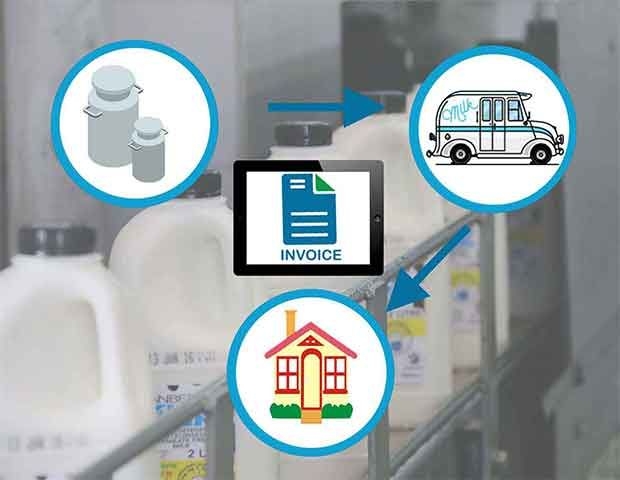
Milk delivery is a time-sensitive business where reliability matters as much as timing. Whether you are managing a small local round or coordinating a larger fleet across suburban and regional areas, efficient route mapping can reduce fuel use, improve customer satisfaction, and keep deliveries running on schedule. In Australia, where delivery distances can vary widely between dense city suburbs and spread-out regional communities, careful route planning makes a major difference to daily operations.
Good route mapping is not just about choosing the shortest path. It involves understanding delivery windows, traffic patterns, vehicle capacity, refrigeration needs, and driver workload. Many operators now use milk distribution software to organise these moving parts more accurately, but the core principles remain the same: plan intelligently, adapt quickly, and keep the route practical for the people doing the work.
In this guide, we will look at how to map routes for milk deliveries efficiently, from preparing delivery data to reviewing real-world performance. The aim is to help you build routes that are consistent, cost-effective, and easier to manage day after day.
Key points
- Start with accurate delivery data, including addresses, time windows, and order size.
- Group stops by location to reduce backtracking and unnecessary travel.
- Factor in traffic, vehicle capacity, and refrigeration requirements when building routes.
- Use route planning tools to improve accuracy and make updates easier.
- Review completed runs regularly to identify delays, inefficiencies, and missed opportunities.
Why efficient route mapping matters
Milk delivery is different from many other delivery services because timing is critical and the product is perishable. Customers often expect early morning drop-offs, and many routes must be completed before the day begins in full. A poorly mapped route can cause late deliveries, higher transport costs, and more stress for drivers.
Efficient route mapping helps businesses in several ways. It lowers fuel consumption, reduces vehicle wear, and allows more deliveries to be completed within the same shift. It also supports better customer service because deliveries arrive more consistently. For businesses operating in Australia, where long travel distances and variable road conditions are common, route efficiency can have a direct impact on profitability.
Start with accurate delivery information
Collect complete customer details
The quality of your route depends on the quality of your data. Before building any delivery sequence, make sure every stop has a correct street address, suburb, postcode, and contact details where needed. Incomplete or outdated records can create delays and force drivers to improvise.
Include delivery preferences and time windows
Some customers need deliveries before a certain time, while others may request specific placement instructions. These details should be included in route planning from the start. If a customer prefers a morning delivery before school drop-off, that stop needs to be placed early in the route. If a business customer only receives goods after opening hours, the route must work around that constraint.
Check order volume and product type
Not every stop requires the same handling. A large account may need several crates, while a small household delivery may only require a few items. Factoring in volume helps you understand what each vehicle can realistically carry. It also ensures that chilled goods stay within the right temperature range during the run.
Group deliveries by area
One of the simplest ways to improve route efficiency is to cluster deliveries geographically. Instead of sending a driver back and forth across town, organise stops into natural groups based on neighbourhoods, suburbs, or road corridors. This reduces travel time and makes the route easier to follow.
For example, if a route includes stops in inner Brisbane and outer suburbs, it usually makes more sense to complete all nearby inner-city deliveries first before moving outward. The same principle applies in regional areas, where distances between towns can be large. A logical grouping method reduces wasted kilometres and helps avoid unnecessary detours.
Avoid crossing over the same roads repeatedly
When routes are not grouped properly, drivers often retrace their steps or pass the same junction multiple times. This adds fuel costs and increases the chance of delays. A clean route should move in a steady direction wherever possible, with minimal doubling back.
Account for traffic and road conditions
Traffic patterns can affect milk deliveries more than many business owners expect. Early morning congestion near schools, CBD access restrictions, roadworks, and major events can all slow down a route. In Australia, weather can also play a part, especially during heavy rain, floods, or extreme heat.
Route planning should be based on the actual time it takes to travel, not just the distance on a map. A shorter route through busy streets may take longer than a slightly longer route using faster roads. Checking historical traffic patterns and known problem areas helps build more realistic delivery schedules.
Use local knowledge where possible
Drivers often know shortcuts, loading restrictions, and recurring delays that do not appear on a map. Their knowledge is valuable and should be included in route planning. A route that looks efficient on paper may prove impractical if a road is hard to access at a certain time or if parking is difficult near a delivery point.
Match the route to vehicle capacity
A route is only efficient if the vehicle assigned to it can complete the work without overstretching its capacity. This includes not only the number of cartons or bottles but also weight distribution, cooling space, and loading order.
If a vehicle is too small, drivers may need to make extra trips or split the route, which wastes time and fuel. If it is too large, the business may be using more vehicle than necessary. The most efficient route mapping takes both delivery volume and vehicle size into account so the run is realistic from the start.
Plan loading order carefully
The sequence of loading should match the delivery sequence. Goods for the first stop should be easiest to access, not buried behind later deliveries. This reduces unloading time at each stop and helps the route flow smoothly. A well-planned load can save several minutes at every location, which adds up over the course of a run.
Use route planning tools wisely
Digital tools can simplify route mapping by sorting addresses, estimating travel times, and helping planners adjust schedules quickly. They are especially useful when delivery lists change often or when multiple drivers are covering different areas. A good system can reduce manual work and make it easier to compare alternative routes.
That said, software should support decision-making rather than replace it entirely. The most effective routing combines digital planning with human judgement. Someone still needs to check whether a suggested route makes sense for local conditions, customer expectations, and vehicle constraints.
Keep routes flexible
Milk delivery schedules often change because customers add or remove items, new accounts are opened, or roads are temporarily closed. Efficient route mapping allows for flexibility without creating chaos. Build in room for adjustments where possible, and keep backup options ready for busy days or unexpected disruptions.
Review performance after each run
Route planning should improve over time. After each delivery round, review what worked well and where delays occurred. Look at arrival times, fuel use, missed stops, and driver feedback. If one area consistently causes delays, the route may need to be redesigned.
Performance reviews can also show whether the route is too full, too spread out, or poorly timed. Small changes, such as moving one stop earlier or shifting a suburb to another route, can make a noticeable difference. Over time, these adjustments create a more reliable delivery system.
Train drivers in route awareness
Drivers play an important role in route efficiency. Even the best map is only useful if the person following it understands the reasoning behind it. Training should cover delivery priorities, customer instructions, safe driving practices, and how to respond when the route is disrupted.
When drivers understand the structure of a route, they are more likely to spot inefficiencies and suggest improvements. Their daily experience can be one of the most valuable sources of practical insight for ongoing route refinement.
Conclusion
Mapping routes for milk deliveries efficiently is a blend of planning, experience, and regular review. The best routes are not simply the shortest ones. They are the ones that fit customer time windows, vehicle limits, traffic conditions, and local road realities while still keeping the business cost-effective. For Australian delivery operations, where distances and conditions can vary greatly, a thoughtful approach to route design is essential.
By collecting accurate delivery data, grouping stops sensibly, accounting for road conditions, and reviewing results after each run, businesses can create routes that are easier to manage and more dependable for customers. Over time, these improvements can lead to lower costs, smoother operations, and better service across the board.
FAQ
What is the most important factor in milk delivery route planning?
The most important factor is balancing delivery timing with practical travel routes. A route should meet customer expectations while remaining efficient for the driver and vehicle.
How often should milk delivery routes be updated?
Routes should be reviewed regularly, especially when customer orders change, new deliveries are added, or traffic and road conditions affect travel times. Many businesses review routes weekly or monthly.
Should delivery stops always be arranged by distance?
Not always. Distance matters, but time windows, traffic, vehicle capacity, and loading order are often just as important. A slightly longer route may be more efficient overall if it avoids congestion or meets delivery deadlines better.
Can route planning software improve milk deliveries?
Yes. Route planning tools can save time, improve accuracy, and make it easier to adjust schedules. They work best when combined with local knowledge and practical experience.
How can drivers help improve route efficiency?
Drivers can provide feedback on traffic, access issues, loading delays, and customer preferences. Their experience helps planners refine routes and solve recurring problems.
What should be checked before finalising a delivery route?
Before finalising a route, check the addresses, delivery times, order size, vehicle capacity, road conditions, and any special instructions. This helps reduce delays and missed deliveries.

