


Explore Effective Ways to Address Excessive Hair Shedding
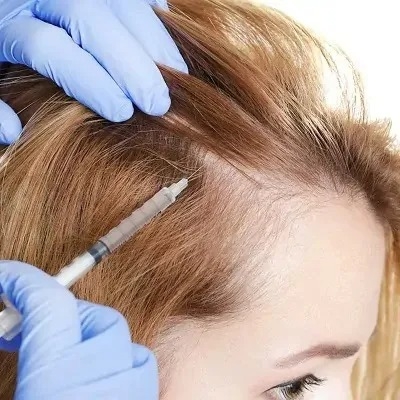
Hair shedding is a normal part of the hair growth cycle. However, when more strands than usual begin falling out, it can become a source of concern for many women. Excessive shedding may affect hair volume, make the scalp more visible, and create difficulties when styling hair.
Several factors can contribute to increased hair shedding, including hormonal changes, stress, nutritional deficiencies, medical conditions, and certain hair-care practices. Understanding the underlying cause is essential for choosing an appropriate solution. Women experiencing persistent thinning can explore Female Hair Loss treatment in Islamabad to learn about professional assessment and available care options.
Understanding the Natural Hair Growth Cycle
Hair follicles go through three main stages: growth, transition, and resting. During the growth phase, hair strands develop and increase in length. The transition phase is brief, while the resting phase eventually ends with natural shedding.
Losing approximately 50 to 100 hairs daily is generally considered normal, although the amount varies between individuals. Excessive shedding occurs when more follicles enter the resting phase than usual or when the hair growth cycle is disrupted.
This may result in noticeable hair fall during washing, brushing, or styling. Identifying whether the problem is temporary shedding or progressive hair thinning can help guide treatment decisions.
Common Causes of Excessive Hair Shedding
Hair shedding can develop for several reasons. Some causes are temporary, while others require ongoing management.
Hormonal changes: Pregnancy, childbirth, menopause, and certain hormonal conditions can influence the hair growth cycle.
Physical or emotional stress: Illness, surgery, major life changes, or prolonged stress may trigger a condition called telogen effluvium, which causes increased shedding.
Nutritional deficiencies: Low iron levels, inadequate protein intake, and certain vitamin deficiencies may contribute to hair loss.
Thyroid problems: An underactive or overactive thyroid can affect normal hair growth.
Female pattern hair loss: This condition causes gradual thinning, often around the crown and central part.
Hair damage: Tight hairstyles, excessive heat, and harsh chemical treatments can contribute to breakage and traction-related hair loss.
Recognize the Signs of Excessive Hair Shedding
Recognizing changes early can help women seek suitable advice. Common signs include:
-
More hair collecting in brushes or shower drains
-
Increased shedding when washing or combing
-
Reduced ponytail thickness
-
Gradual thinning around the crown
-
A widening central hair part
-
Greater scalp visibility
-
Hair strands that appear weaker or finer
Sudden patchy hair loss, scalp pain, redness, scaling, or signs of scarring should be assessed by a healthcare professional. These symptoms may indicate a condition that needs specific treatment.
Improve Nutrition to Support Healthy Hair
A balanced diet provides nutrients needed for normal hair growth. Protein is particularly important because hair strands are primarily made of keratin, a structural protein.
Foods such as eggs, fish, chicken, dairy products, beans, and lentils can provide protein. Iron-rich foods, leafy green vegetables, nuts, seeds, fruits, and whole grains also contribute to a varied diet.
If a nutritional deficiency is suspected, a healthcare professional may recommend blood tests. Correcting a confirmed deficiency can help when it contributes to shedding.
Avoid taking supplements without professional advice. Excessive amounts of certain nutrients, including vitamin A and selenium, may actually contribute to hair loss.
Follow a Gentle Hair Care Routine
Everyday hair-care habits can help reduce unnecessary breakage and protect existing strands. Women should choose shampoo according to their scalp type and avoid aggressive scrubbing.
Using conditioner can improve hair softness and reduce friction during brushing. Detangling gently, particularly when hair is wet, may also prevent avoidable breakage.
Additional helpful habits include:
-
Avoid tight ponytails and hairstyles that pull on the roots.
-
Reduce frequent straightening, curling, and blow-drying.
-
Limit harsh chemical treatments.
-
Avoid excessive brushing or rough towel drying.
-
Use suitable products if the scalp is dry or sensitive.
These practices can improve hair condition, although they cannot treat every medical cause of shedding.
Medical Treatments for Persistent Hair Shedding
When excessive shedding continues, professional assessment can help identify the cause and determine whether treatment is needed.
Topical minoxidil is commonly recommended for suitable women with female pattern hair loss. It may help support hair growth and slow further thinning, but consistent use is generally required. Possible side effects include scalp irritation and temporary increased shedding when starting treatment.
If hair loss is related to an underlying condition, such as thyroid dysfunction or iron deficiency, addressing that problem is important. Treating the cause may improve hair health over time.
PRP therapy may also be discussed for selected patients. It uses platelet-rich plasma prepared from the patient's blood and injected into targeted scalp areas. Some studies suggest potential benefits for hair density, but evidence is still developing and results vary.
The Role of Stress Management and Sleep
Stress can affect the hair growth cycle and may contribute to temporary excessive shedding. This type of shedding can occur several weeks or months after a stressful event.
Maintaining a regular sleep routine, engaging in physical activity, and using relaxation techniques may support general well-being. These habits cannot guarantee prevention of hair loss, but they may help address some lifestyle-related contributors.
Women should also allow time for recovery after childbirth, illness, or major physical stress, as hair growth may gradually return to its usual pattern.
When to Seek Professional Hair Loss Treatment
If shedding persists, becomes severe, or occurs with other symptoms, a professional evaluation is recommended. A practitioner may review medical history, examine the scalp, and recommend tests for iron levels, thyroid function, or other possible causes.
At Enfield Royal Clinic, women can discuss their concerns and explore suitable hair restoration options through an individualized consultation.
Female Hair Loss treatment in Islamabad should be selected according to the type of shedding, scalp condition, medical history, and individual needs. A personalized approach can help women understand their options and develop realistic expectations about improvement.
Frequently Asked Questions
1. Can Female Hair Loss treatment in Islamabad help control excessive shedding?
Treatment may help when the underlying cause is identified and addressed. The appropriate option depends on whether shedding is temporary, nutritional, hormonal, or related to another condition.
2. Which tests may be recommended during Female Hair Loss treatment in Islamabad?
Depending on symptoms, a healthcare professional may recommend tests for iron deficiency, thyroid function, or other nutritional and medical concerns.
3. Is PRP useful for Female Hair Loss treatment in Islamabad?
PRP may support hair density in selected patients, but results vary and evidence is still developing. A professional assessment is needed to determine suitability.
4. How long does Female Hair Loss treatment in Islamabad take to reduce shedding?
The timeline depends on the underlying cause and treatment. Temporary shedding may improve as the triggering factor resolves, while other conditions may require longer-term management.
For more information visit
Enfield royal clinic in islamabad

