


Is Rockv Cast Steel Gate Valve for Power Plant Design Worth Reviewing
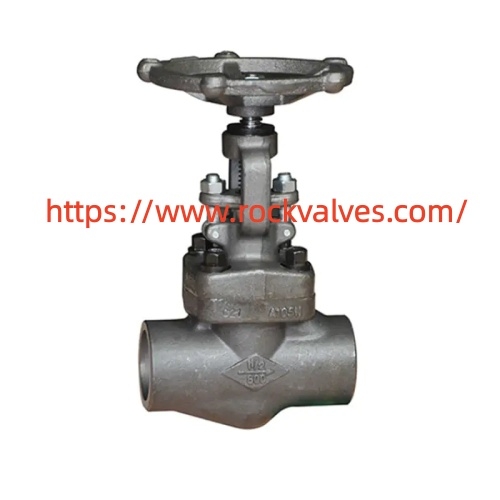
Cast Steel Gate Valve for Power Plant selection should be considered as part of a wider equipment management strategy. In energy generation facilities, pipeline components are closely connected with daily operating routines, scheduled inspections, and maintenance activities. Purchasing decisions are not simply about matching a product to a pipeline. Engineers also need to consider how equipment fits into the facility layout, how maintenance teams will access it, and how its construction supports the intended operating conditions.
One aspect that deserves attention is maintenance accessibility. Industrial facilities contain interconnected systems, and individual components may be installed in areas with limited working space. When equipment requires inspection or servicing, its surrounding layout can influence the time and effort involved. Buyers should therefore consider installation position, operating access, connection arrangements, and the space required for future maintenance.
A practical purchasing process begins with understanding the application. Steam distribution, feedwater circulation, cooling systems, and auxiliary pipelines have different operating requirements. Each application involves specific fluid characteristics, environmental conditions, and operational expectations. Engineers should identify these factors before discussing product configurations with manufacturers.
Material selection is another important part of this process. Different metallic materials have different mechanical and thermal characteristics. Their suitability depends on the working medium, temperature changes, pressure conditions, and expected operating cycles. Carbon steel and alloy compositions may be considered according to the actual service environment.
Buyers should pay attention to the relationship between the main body and internal components. The stem, closure element, seating surfaces, packing, and connecting sections all contribute to the overall assembly. Choosing materials independently without considering their interaction can create difficulties during long term operation.
Manufacturing processes also deserve attention. Foundry operations, machining, heat treatment, assembly, and surface finishing all contribute to the finished product. Consistent production procedures help manufacturers maintain dimensional accuracy and ensure that individual components follow the approved design.
Inspection documentation provides another useful reference during procurement. Material certificates, dimensional inspection records, pressure testing reports, and manufacturing documentation can help buyers evaluate whether supplied equipment meets the agreed project requirements. Clear records also support communication between manufacturers, engineering contractors, and maintenance departments.
A further consideration is how equipment behaves during normal operation. Industrial isolation components are generally intended to control whether a pipeline section is open or closed. They should not automatically be treated as flow adjustment devices. Operating equipment outside its intended function may contribute to unnecessary wear on internal surfaces. Operators should follow the manufacturers instructions and the engineering requirements established for the application.
Temperature changes can introduce additional challenges. In energy facilities, equipment may experience repeated heating and cooling during startup, shutdown, and scheduled maintenance. Different components can expand and contract at different rates. Material compatibility, structural arrangement, and sealing design therefore deserve attention during the specification process.
Sealing performance is particularly relevant when equipment is used to separate pipeline sections. Internal seating surfaces need to work together with the closure mechanism to provide the intended isolation function. Packing arrangements also influence external leakage management around moving components. Buyers should review these details rather than evaluating the external appearance alone.
Supplier communication is an important part of procurement. Before requesting a quotation, buyers can prepare an application description covering the working medium, installation environment, connection requirements, operating conditions, and inspection expectations. Drawings and existing equipment references can also help manufacturers understand the project.
It is worth asking suppliers about their production workflow and quality control procedures. Questions about material traceability, machining arrangements, assembly inspections, and testing documentation can provide a clearer picture of manufacturing capabilities.
Replacement projects require additional attention. Existing pipeline arrangements may have specific connection dimensions and installation limitations. A replacement product should be evaluated against the original equipment documentation and current engineering requirements. This can help reduce installation difficulties and avoid unnecessary modifications.
Maintenance teams can also contribute valuable information during the purchasing process. Their experience with previous equipment may reveal recurring issues involving accessibility, operation, sealing, or servicing. Including this feedback in procurement discussions helps connect purchasing decisions with actual working conditions.
Industrial projects often involve several departments and external partners. Engineering teams prepare technical requirements, procurement specialists coordinate quotations, contractors manage installation, and maintenance personnel oversee equipment condition. When these groups communicate clearly, product selection and delivery coordination become easier to organize.
Rockv serves industrial customers with flow control products designed for pipeline applications across different sectors. Understanding project requirements helps connect product configuration, manufacturing arrangements, and technical documentation with the intended application. Buyers can discuss their equipment needs with the company while considering material options, construction details, and project specific requirements.
As energy facilities continue to review maintenance planning and equipment management practices, procurement decisions deserve careful attention. Evaluating material compatibility, internal construction, installation accessibility, and manufacturing documentation together provides a practical foundation for equipment selection. Buyers interested in industrial pipeline solutions can visit https://www.rockvalves.com/product/ to review Rockv product offerings and identify options that correspond with their project requirements.

