


How to Choose the Right Style, Material and Design for Every Occasion
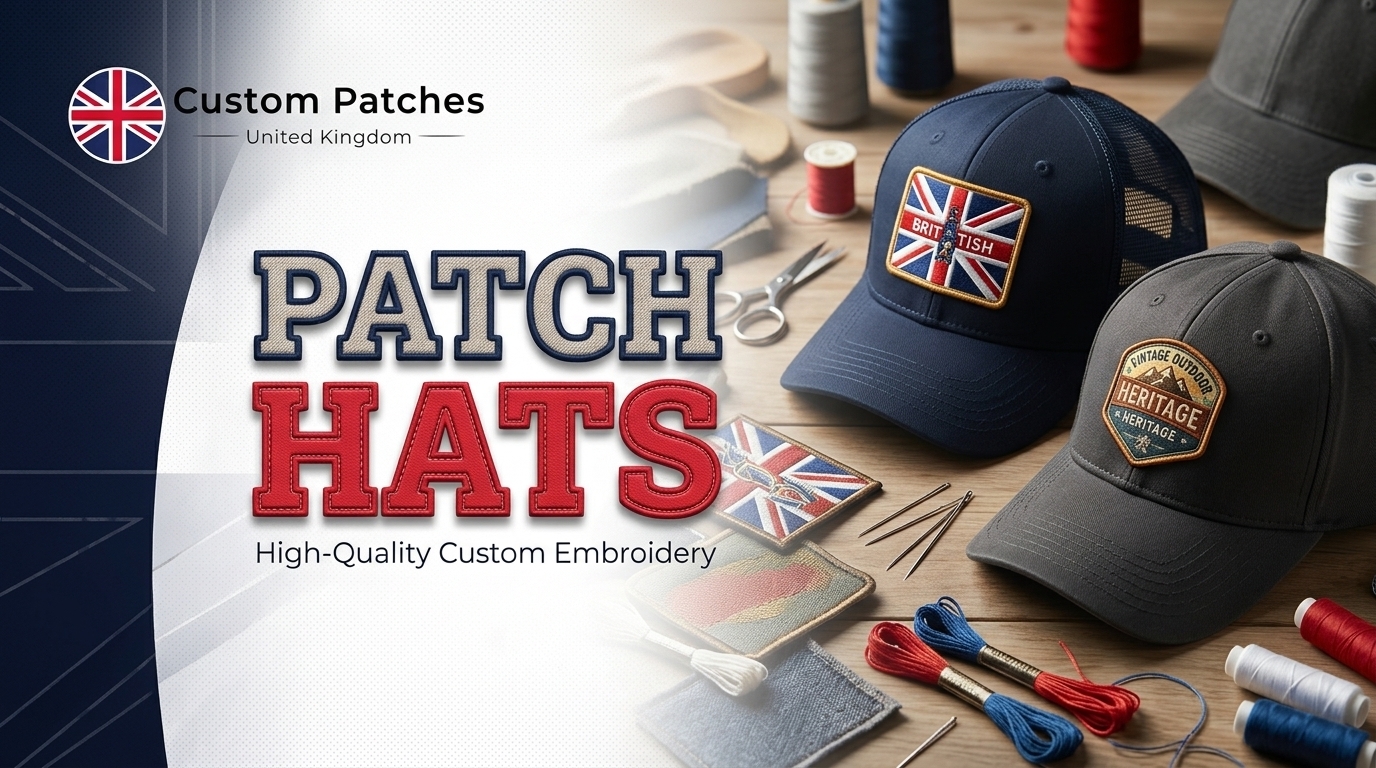
Hats are practical accessories, but they can also communicate personality, represent a team or create a recognisable brand identity. One way to achieve this is through patch hats, which combine traditional headwear with decorative or personalised patches. From embroidered logos to leather-style badges, these designs offer opportunities to create distinctive headwear for businesses, sports clubs, outdoor enthusiasts and everyday fashion lovers across the UK.
However, choosing the right hat involves more than selecting an attractive design. The patch material, attachment method, hat construction, placement and overall appearance all influence the finished result. Understanding these elements can help individuals and organisations make informed decisions and create headwear that looks appropriate and remains comfortable to wear.
What Are Patch Hats and Why Are They Popular?
Patch hats are caps or other types of headwear featuring a separate decorative patch attached to the fabric. Unlike direct embroidery, where a design is stitched directly into the hat, a patch is produced separately and then fixed onto the surface.
This approach provides greater flexibility in terms of materials, shapes, colours and textures. A simple baseball cap, for example, can feature an embroidered badge, a leather-effect label or a colourful PVC design.
Their popularity comes from several practical and creative advantages:
-
Personalisation: Names, logos, symbols and custom artwork can be incorporated into the design.
-
Brand recognition: Businesses can use consistent patches to make their merchandise more recognisable.
-
Design flexibility: Different patch materials and shapes offer a wide range of visual styles.
-
Versatility: They work across casual fashion, sportswear, outdoor clothing and promotional merchandise.
-
Reusability: Certain removable patch systems allow designs to be changed without replacing the entire hat.
These features make patch-based headwear suitable for both personal use and organised activities.
Understanding the Different Types of Hat Patches
The material used for a patch influences its appearance, texture, durability and suitability for different environments. Before selecting a design, it is useful to understand the main options.
1. Embroidered Patches
Embroidered patches are among the most familiar choices for customised headwear. They feature coloured threads stitched onto a fabric backing, creating a slightly raised and textured appearance.
They are particularly suitable for:
-
Company logos and brand names.
-
Sports club emblems.
-
School and university merchandise.
-
Outdoor and recreational clothing.
-
Personal initials and decorative symbols.
One important consideration is design complexity. Very small lettering and intricate details may become difficult to reproduce clearly through embroidery. Keeping the artwork relatively simple helps maintain readability.
2. PVC and Rubber Patches
PVC patches offer a different appearance because they are made from flexible synthetic material rather than traditional embroidery thread.
They can feature raised details, defined outlines and distinct colour sections. This makes them suitable for outdoor activities, workwear and contemporary streetwear.
Their practical benefits include resistance to moisture and the ability to maintain a defined shape. However, their thickness and flexibility should be considered when choosing a hat with a soft or curved front panel.
3. Leather and Faux Leather Patches
Leather patches are often associated with heritage-inspired fashion, outdoor accessories and casual headwear.
Their natural or textured appearance creates a distinctive finish without requiring multiple thread colours. Designs are commonly engraved, embossed or debossed into the material.
Faux leather provides an alternative for those who prefer a similar visual effect without using genuine leather.
These patches work particularly well with simple logos, initials and understated designs.
4. Woven Patches
Woven patches use fine threads to create detailed artwork on a relatively flat surface.
They can be useful when a design contains small lettering, narrow lines or intricate patterns that may be difficult to reproduce through traditional embroidery.
Because they are generally lighter and flatter, woven designs can also suit softer headwear where a thick patch might affect the overall shape.
Choosing the Right Hat for Your Patch Design
The hat itself plays an important role in determining how well a patch looks and performs. Different styles have different panel shapes, fabrics and levels of structure.
Baseball Caps
Baseball caps are a popular option for everyday wear, sports activities and promotional merchandise. Their front panels provide a suitable area for displaying a logo or decorative badge.
A medium-sized patch can create a balanced appearance without overwhelming the cap. The design should also account for the front seam, particularly on traditional six-panel constructions.
Trucker Hats
Trucker hats usually feature a structured front section and mesh panels at the back. Their front construction makes them suitable for a variety of patch styles.
Embroidered, leather-effect and PVC designs can all work, provided their weight and dimensions are appropriate for the material.
For a clean finish, patches are generally positioned on the front fabric panel rather than the mesh section.
Snapback Caps
Snapbacks are recognised by their adjustable rear fastening and structured crown. They are commonly associated with casual fashion, music culture and streetwear.
Their firm front panels can accommodate bold designs, larger lettering and distinctive shapes.
However, the patch should remain proportionate to the available surface area.
Beanies
Beanies offer an alternative to traditional caps, particularly during colder months. Their knitted construction requires a different approach to patch selection.
Small, lightweight patches are usually more appropriate because they can follow the shape of the knitted fabric without making the material feel unnecessarily stiff.
A patch positioned on the folded cuff can create a neat and recognisable finish.
How to Design a Patch That Looks Professional
A successful patch design should communicate its message clearly while complementing the shape and colour of the hat.
The limited space available on most headwear makes careful planning especially important.
Keep the Artwork Simple
A hat patch is generally viewed from a distance, so complicated illustrations and excessive text can reduce readability.
Focus on one main visual element, such as a company symbol, initials or a recognisable graphic. If additional information is necessary, use short wording rather than a lengthy slogan.
For example, a cycling club could feature its initials alongside a simple bicycle symbol instead of trying to include its full membership details and location.
Select Colours Carefully
Colour combinations influence how easily a design can be recognised.
A light-coloured patch on a dark cap can create strong contrast, while similar shades may produce a more understated appearance.
Consider the following:
-
Use contrasting colours for important lettering.
-
Limit unnecessary colour combinations.
-
Match the patch colours to the organisation's existing identity.
-
Check how the design looks against the actual hat fabric.
-
Consider whether the colours remain distinguishable in different lighting conditions.
A digital preview can help, but reviewing a physical sample provides a better understanding of the finished appearance.
Choose an Appropriate Shape
Patch shapes should complement the artwork and the available space.
Common options include circular, rectangular, oval and shield-shaped designs. Custom outlines can also be developed around a particular symbol or logo.
For example, a mountain illustration might work well within a shield-shaped patch, while a company name could suit a simple rectangular design.
The objective is to create visual balance rather than use an unusual shape simply for decoration.
Where Should You Position a Patch on a Hat?
Placement can influence the entire appearance of customised headwear. Even a well-designed patch may look unbalanced if it is positioned incorrectly.
Front Panel Placement
The front is the most recognisable location for a patch. It provides a prominent space for company logos, club emblems, artwork and lettering.
Before attaching the patch, measure the available panel and check its distance from the seams and edges.
Side Panel Placement
Side placement is useful for smaller details, including initials, symbols and secondary branding.
Businesses can use this area for a subtle additional logo, while individuals might choose a small decorative design.
Rear Placement
The back of a cap offers another opportunity for personalisation. Small symbols, short phrases or identification details can be placed above the fastening area.
However, the patch should not interfere with adjustable straps or other functional features.
An effective approach is to create a paper template matching the intended patch dimensions. Positioning this template on the hat allows you to assess the proportions before production begins.
Understanding Patch Attachment Methods
The attachment method is just as important as the patch material. It determines how securely the design stays in place and whether it can be removed later.
Sew-On Attachment
Sewing is a traditional method that provides a secure connection between the patch and the hat.
It is particularly useful for headwear that will experience regular handling or washing. The stitching should follow the patch border evenly to create a neat finish.
Iron-On and Heat-Activated Backing
Some patches feature heat-activated adhesive that bonds to suitable fabrics when heat and pressure are applied.
However, not every hat material can tolerate this process. Curved crowns, foam panels, synthetic fabrics and delicate materials may require additional care.
Always follow the manufacturer's instructions and test the method on a suitable sample before applying it to finished headwear.
Hook-and-Loop Attachment
Hook-and-loop backing allows patches to be attached and removed when the hat has a compatible fastening panel.
This option is useful for outdoor groups, collectors and organisations that need to change identification designs.
The hat must have a suitable receiving surface for the system to work properly.
Caring for Patch Hats to Maintain Their Appearance
Regular care helps preserve both the hat fabric and the attached patch. Different materials require different cleaning approaches, so a single washing method should not be assumed suitable for every design.
Consider these practical recommendations:
-
Check the care instructions: Follow the manufacturer's guidance for both the hat and patch material.
-
Clean stains promptly: Use a soft cloth and an appropriate cleaning solution rather than scrubbing aggressively.
-
Avoid unnecessary heat: High temperatures can affect adhesives, synthetic materials and some hat fabrics.
-
Store hats properly: Keep them in a dry place and avoid placing heavy objects on top of structured caps.
-
Inspect the stitching: Check for loose threads or lifting edges, particularly after frequent use.
-
Allow proper drying: Let damp headwear dry naturally when the care instructions permit.
For embroidered patches, gentle cleaning helps prevent damage to the threads. Leather and faux leather designs may need material-specific cleaning products.
Common Mistakes to Avoid When Choosing Patch Hats
Although customised headwear offers considerable design flexibility, a few common mistakes can affect the final result.
Choosing an oversized patch: A design that exceeds the available panel space can look crowded or distort the hat's shape. Always measure before confirming the dimensions.
Using too much text: Small lettering is difficult to read on curved surfaces. Prioritise the most important information.
Ignoring fabric compatibility: A thick or rigid patch may not sit properly on a lightweight or flexible hat.
Selecting unsuitable attachment methods: Heat-sensitive fabrics may be damaged by excessive temperatures, while unsuitable adhesives can lose their hold.
Overlooking colour contrast: Colours that look attractive on a computer screen may become difficult to distinguish when reproduced on fabric.
Avoiding these mistakes during the planning stage can reduce production problems and improve the finished appearance.
Conclusion
Patch hats combine practical headwear with opportunities for personal expression, creative design and brand recognition. Their versatility comes from the availability of different materials, attachment methods, shapes and hat styles.
Choosing the right combination requires attention to the hat's construction, the complexity of the artwork, patch dimensions and intended use. A simple embroidered logo may be ideal for a sports club, while a leather-effect badge might better suit heritage-inspired casual clothing.
By considering these factors before production, individuals and organisations can create headwear that looks balanced, feels comfortable and serves its intended purpose. Careful design decisions ultimately make the difference between an ordinary customised cap and a well-considered accessory that people enjoy wearing.

