


Bangkok Tailor: Understanding Custom Suiting, Fabric Selection, and Traditional Craftsmanship
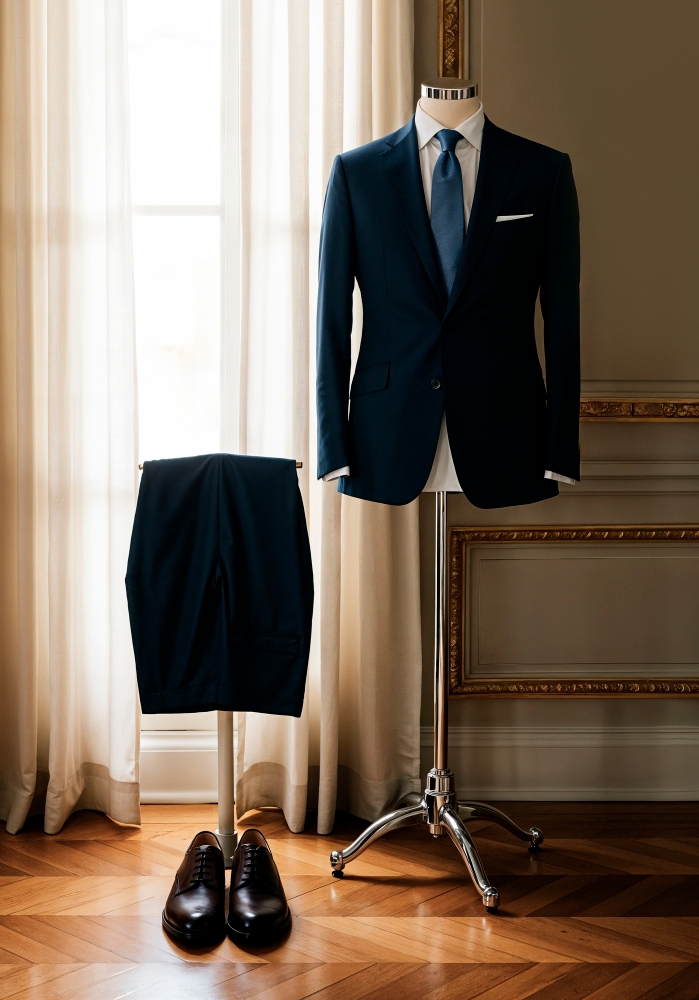
Bangkok has established a strong presence in the international tailoring industry, attracting attention from individuals interested in custom clothing and personalized suit designs. A Bangkok tailor typically works with different garment styles, fabrics, measurements, and construction techniques to create clothing according to individual requirements. Visitors from the United States often explore Bangkok's tailoring industry to understand the differences between custom-made garments and standard ready-to-wear clothing.
Custom tailoring involves several stages, including design discussions, fabric selection, body measurements, pattern preparation, garment construction, and fitting adjustments. Each stage contributes to the appearance, comfort, and overall quality of the finished garment. Understanding these processes provides useful insight into Bangkok's tailoring traditions and the factors involved in creating custom clothing.
1. Understanding the Bangkok Tailoring Industry
Bangkok has a diverse tailoring industry that includes traditional workshops and modern clothing establishments. These businesses cater to different clothing requirements, including business suits, formal wear, jackets, trousers, and other customized garments.
The industry combines established garment-making practices with contemporary fashion preferences. Different tailoring establishments may use different construction methods, fabric collections, and measurement techniques.
A Bangkok tailor generally considers individual requirements before beginning garment production. These discussions may include the intended purpose of the clothing, preferred design, fabric characteristics, and desired fit.
For international visitors, understanding these details helps explain how custom tailoring differs from purchasing standardized clothing from retail stores.
2. Custom Tailoring Versus Ready-to-Wear Clothing
Custom tailoring and ready-to-wear clothing follow different production approaches.
Ready-to-wear garments are manufactured in standardized sizes. These sizes are designed to accommodate a broad range of body types, but they may not always provide the desired fit for every individual.
Custom clothing is developed using personal measurements. This allows the garment's dimensions to be adjusted according to individual body proportions.
Some important measurement considerations include:
- Shoulder width and alignment.
- Chest and waist circumference.
- Sleeve length and jacket length.
- Trouser waist and inseam.
- Jacket structure and overall proportions.
These measurements help determine how the finished garment sits on the body. Custom tailoring also allows individuals to select specific design elements rather than relying entirely on available retail styles.
3. Fabric Selection and Its Importance
Fabric selection plays an important role in custom garment production. The material influences the garment's texture, appearance, durability, weight, and suitability for different weather conditions.
A Bangkok tailor may work with several fabric categories depending on availability and individual requirements.
Wool: Wool is widely used for business and formal suits because of its versatility and structured appearance. Different weights make it suitable for various seasons.
Cotton: Cotton is a natural material commonly selected for lightweight jackets, trousers, and casual clothing.
Linen: Linen is associated with warm-weather garments because of its lightweight and breathable characteristics.
Wool Blends: These fabrics combine wool with other fibers to create different textures and performance characteristics.
Tropical Wool: Lightweight wool fabrics are often considered for warmer environments and professional clothing.
For individuals from the United States, the intended location and season of use are important factors when selecting suit materials. A lightweight fabric may be suitable for warmer regions, while heavier materials may be more appropriate for colder climates.
4. Popular Custom Suit Styles
Custom tailoring offers different suit designs based on individual preferences and clothing requirements.
Some commonly recognized styles include:
- Single-Breasted Suits: These feature one front closure and are commonly associated with professional and formal clothing.
- Double-Breasted Suits: These have overlapping front panels and two rows of buttons, creating a structured appearance.
- Two-Piece Suits: These consist of a matching jacket and trousers.
- Three-Piece Suits: These include a jacket, trousers, and a matching waistcoat.
Other design elements include lapel styles, pocket arrangements, button placement, jacket vents, trouser shapes, and lining materials.
Each design detail contributes to the overall appearance of the suit. The final selection generally depends on personal preferences, body proportions, and the occasion for which the garment is intended.
5. The Importance of Accurate Measurements
Accurate measurements are essential for producing custom clothing. The measurement process helps determine the dimensions required for each section of a garment.
Common measurements include shoulder width, chest circumference, waist circumference, sleeve length, jacket length, hip measurements, and trouser inseam.
However, measurements alone do not determine the final fit. Individual posture and body proportions can also influence the construction process.
For example, shoulder alignment affects how a jacket sits, while sleeve length and jacket proportions influence its overall appearance.
A Bangkok tailor may conduct additional fittings to identify areas requiring adjustment. These fittings help assess comfort, movement, garment balance, and overall proportions.
6. Understanding the Custom Tailoring Process
The custom tailoring process generally involves several important stages.
Initial Discussion: The individual's clothing requirements, preferred styles, and intended use are discussed.
Fabric Selection: Materials are selected according to appearance, weight, texture, and climate requirements.
Body Measurements: Measurements are recorded to establish the dimensions of the garment.
Pattern Preparation: A garment pattern is developed according to the measurements and selected design.
Garment Construction: The selected fabric is cut, assembled, and stitched using the chosen construction method.
Initial Fitting: The developing garment is assessed to identify any required adjustments.
Final Inspection: The completed garment is checked for stitching quality, alignment, proportions, and finishing details.
The number of fittings and overall production time may vary depending on the complexity of the garment and the tailoring method.
7. Important Considerations for US Visitors
Individuals travelling from the United States who are researching a Bangkok tailor should consider several practical aspects.
Travel Planning: Custom garments may require multiple appointments. Sufficient time should be available for measurements, fittings, and adjustments.
Clothing Requirements: The intended purpose of the garment should be established before selecting its design and fabric.
Climate: Different regions of the United States experience different seasonal conditions. Material selection should reflect the climate in which the clothing will primarily be worn.
Communication: Clear discussions about measurements, fabric preferences, and design details can help establish realistic expectations.
Garment Maintenance: Different fabrics require specific cleaning and storage practices. Understanding these requirements helps preserve the garment's appearance.
Conclusion
A Bangkok tailor represents an important part of the city's custom clothing industry, where traditional garment-making techniques meet modern design requirements. Custom tailoring involves careful attention to measurements, fabric selection, construction methods, and fitting adjustments.
For individuals in the United States researching Bangkok's tailoring industry, understanding these processes provides a useful foundation for evaluating custom clothing. The quality and suitability of a finished garment depend on several factors, including material selection, construction accuracy, individual measurements, and intended use. Each element contributes to the overall appearance and practicality of custom-tailored clothing.

