


Replica Watches and the Changing Luxury Timepiece Market
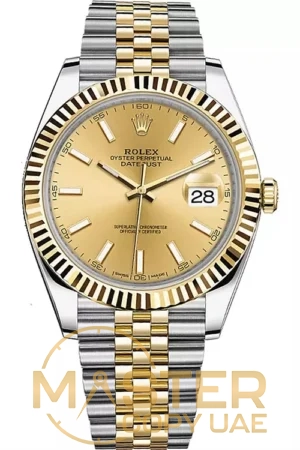
Watches have always played an important role in personal style, combining practical timekeeping with fashion and individual expression. From traditional mechanical designs to modern everyday accessories, different timepieces appeal to people with different preferences. The popularity of internationally recognized watchmakers has also increased online interest in replica watches, making it useful for consumers to understand this part of the wider watch market.
Whether researching classic designs or exploring contemporary trends, understanding materials, craftsmanship and authenticity can help buyers make more informed decisions.
Understanding the Replica Watch Market
Replica watches generally refer to imitation products designed to resemble existing branded timepieces. They may reproduce recognisable dial layouts, case shapes, bezels and bracelet designs associated with established luxury manufacturers.
Online descriptions often include terms such as premium replica, first copy and super clone. These expressions are marketing language rather than official quality classifications. They do not guarantee a particular level of craftsmanship, performance or material quality.
It is important to distinguish between an unauthorised branded imitation and an independently designed watch that takes inspiration from general fashion trends. An original design does not falsely present itself as a product made by another manufacturer.
Why Luxury Watch Designs Remain Popular
Luxury watches attract attention because of their design history, technical development and distinctive appearance. Some models are recognised for their sporty construction, while others are appreciated for elegant dials and traditional styling.
The Rolex Submariner, Audemars Piguet replica watches and Cartier Tank are examples of recognisable designs that have influenced discussions about watchmaking and fashion. Each has its own visual character and history.
These established designs have helped shape consumer expectations across the wider industry. Their popularity also explains why similar-looking products frequently appear in online searches.
Materials That Influence Watch Quality
A watch's construction affects its appearance, comfort and durability. Stainless steel is widely used for cases and bracelets because of its strength and versatility. Sapphire crystal is valued for its scratch resistance, while mineral glass is another common option across different price categories.
Straps also influence the overall experience. Leather provides a traditional appearance, whereas metal bracelets offer a different combination of weight and durability. Rubber straps are frequently associated with casual and sport-oriented watches.
However, product descriptions should always be evaluated carefully. A seller's claim about premium materials does not independently verify what has actually been used in a particular product.
Understanding Watch Movements
The movement is the mechanism responsible for keeping time. Quartz watches operate using a battery and electronic regulation, while mechanical watches rely on a system of moving components.
Automatic watches use the movement of the wearer's wrist to help maintain their power reserve. Manual mechanical watches require regular winding. Each movement type has different maintenance requirements and characteristics.
When researching a timepiece, consumers should consider accuracy, servicing needs and the availability of technical support. The movement's reputation and verified specifications are often more meaningful than exterior similarities.
Authenticity and Consumer Protection
Authenticity is a major consideration when purchasing a branded luxury watch. Genuine products are manufactured and distributed through established channels and may include manufacturer warranties and servicing support.
Replica products that use protected brand names or logos without authorisation are not genuine alternatives. They may also lack reliable documentation, consistent manufacturing standards and official after-sales assistance.
Consumers interested in authentic watches should research authorised retailers and verify the seller's credentials. For second-hand purchases, professional authentication is advisable. Packaging and serial numbers should not be treated as conclusive evidence on their own.
Choosing a Watch for Everyday Use
A suitable watch should match the owner's lifestyle and practical requirements. People who spend most of their time in professional environments may prefer simple designs with clear dials and comfortable bracelets. Those with active routines might appreciate lightweight construction and practical features.
Case size, weight, strap adjustment and dial readability are worth considering before selecting any timepiece. Maintenance requirements should also be part of the decision, particularly when considering mechanical movements.
A well-informed choice is based on practical needs and verified product information rather than appearance alone.
Appreciating Design Beyond Brand Names
The interest in replica watches reflects the influence of luxury design across the global fashion market. However, understanding the difference between authentic products, independent designs and unauthorised imitations is essential for responsible purchasing.
Learning about watch movements, construction, materials and manufacturing standards provides a better understanding of what contributes to a timepiece's quality. With careful research and realistic expectations, consumers can explore different watch styles while making decisions based on authenticity, reliability and personal preference.

