


Transcranial Magnetic Stimulation: Understanding Its Role in Mental Health
Mental health plays an important role in overall well-being, influencing how people think, feel, and respond to everyday challenges. Conditions such as depression, anxiety, and substance use disorders can affect emotional stability, relationships, and quality of life. As mental health research continues to develop, innovative treatment approaches are creating additional opportunities for individuals seeking professional support.
One approach receiving growing attention is Transcranial Magnetic Stimulation (TMS). This noninvasive procedure uses magnetic pulses to stimulate specific areas of the brain involved in mood regulation and other mental processes. Understanding how TMS works and its potential applications can help individuals make informed decisions about their mental health care.
What Is Transcranial Magnetic Stimulation?
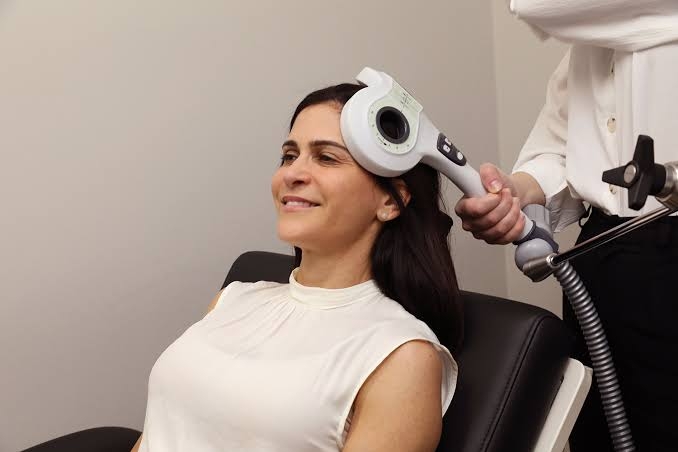
Transcranial Magnetic Stimulation is a noninvasive treatment that uses magnetic fields to stimulate targeted nerve cells in the brain. During a session, a specialized electromagnetic coil is positioned against the scalp to deliver controlled magnetic pulses.
These pulses influence activity in specific brain regions associated with mood and emotional regulation. Unlike procedures that require surgery or anesthesia, standard repetitive TMS is generally performed while the individual is awake and seated comfortably.
TMS is an established treatment option for certain cases of depression, particularly when traditional approaches have not provided sufficient relief. Its use for other mental health conditions continues to be explored through clinical research.
How TMS May Support Mental Health Treatment
Mental health conditions can involve changes in brain activity and communication between different neural networks. TMS aims to influence activity in targeted areas that play a role in emotional regulation.
For individuals with depression, repetitive TMS may help improve symptoms when other treatments have been ineffective or unsuitable. Treatment protocols vary depending on individual needs and clinical recommendations.
Some potential benefits include:
-
A noninvasive approach that does not require surgery.
-
No general anesthesia during standard treatment sessions.
-
The ability to target specific brain regions.
-
An additional treatment option for certain individuals with depression.
However, TMS is not appropriate for everyone. A qualified healthcare professional should evaluate medical history, symptoms, and potential risks before recommending treatment.
Understanding Transcranial Magnetic Stimulation for Addiction
Researchers are also investigating Transcranial Magnetic Stimulation for Addiction as a possible supportive approach to substance use disorder treatment.
Addiction involves complex changes in brain systems associated with motivation, reward, decision-making, and impulse control. These changes can contribute to cravings and make it difficult for individuals to maintain recovery.
TMS research explores whether stimulating specific brain regions may influence these processes and help reduce certain addiction-related symptoms. Studies have investigated its potential applications for conditions involving nicotine, alcohol, cocaine, and other substances.
Although early findings are promising in some areas, research is still developing. TMS is not currently an established standalone treatment for addiction, and its effectiveness can vary depending on the substance and treatment protocol.
It should be considered an investigational or complementary approach rather than a replacement for established addiction treatment services.
Combining TMS With Comprehensive Addiction Care
Recovery from substance use disorders often requires attention to physical health, emotional well-being, and behavioral patterns. A comprehensive treatment plan may include several evidence-based approaches.
Depending on individual circumstances, treatment may involve:
-
Behavioral therapy: Approaches such as cognitive behavioral therapy can help individuals recognize triggers and develop healthier coping strategies.
-
Medical support: Healthcare professionals can evaluate withdrawal concerns and recommend appropriate medical interventions.
-
Individual counseling: Therapy provides opportunities to explore personal challenges and recovery goals.
-
Relapse prevention: Developing strategies for managing cravings and high-risk situations can support continued recovery.
-
Continuing care: Ongoing support and community resources can help individuals maintain progress.
TMS should only be considered when appropriate clinical evaluation and professional guidance support its use.
Exploring Transcranial Magnetic Stimulation for Addiction Treatment in North Atlanta
Individuals researching Transcranial Magnetic Stimulation for Addiction Treatment in North Atlanta should understand the difference between established treatments and emerging research applications.
North Atlanta Recovery Place encourages individuals and families to explore professional behavioral health resources and learn about available treatment approaches. When considering TMS, it is important to ask healthcare professionals about clinical evidence, treatment eligibility, potential side effects, and whether the procedure is appropriate for a particular condition.
Not every provider offering addiction recovery services provides TMS. Individuals should verify treatment availability and professional qualifications before making decisions.
Taking an Informed Approach to Mental Health and Recovery
Mental health treatment continues to evolve as researchers learn more about brain function and emotional well-being. Transcranial Magnetic Stimulation represents an important development in noninvasive brain stimulation, particularly for certain individuals experiencing depression.
Its potential role in addiction treatment is still being studied, making professional guidance essential when evaluating this approach.
North Atlanta Recovery Place recognizes the importance of informed treatment decisions and comprehensive recovery support. Exploring evidence-based options, understanding individual needs, and working with qualified professionals can help individuals take meaningful steps toward improved mental health and long-term well-being.

