


Dual Suspension Mountain Bike for Sale: A Complete Buying Guide for South African Cyclists
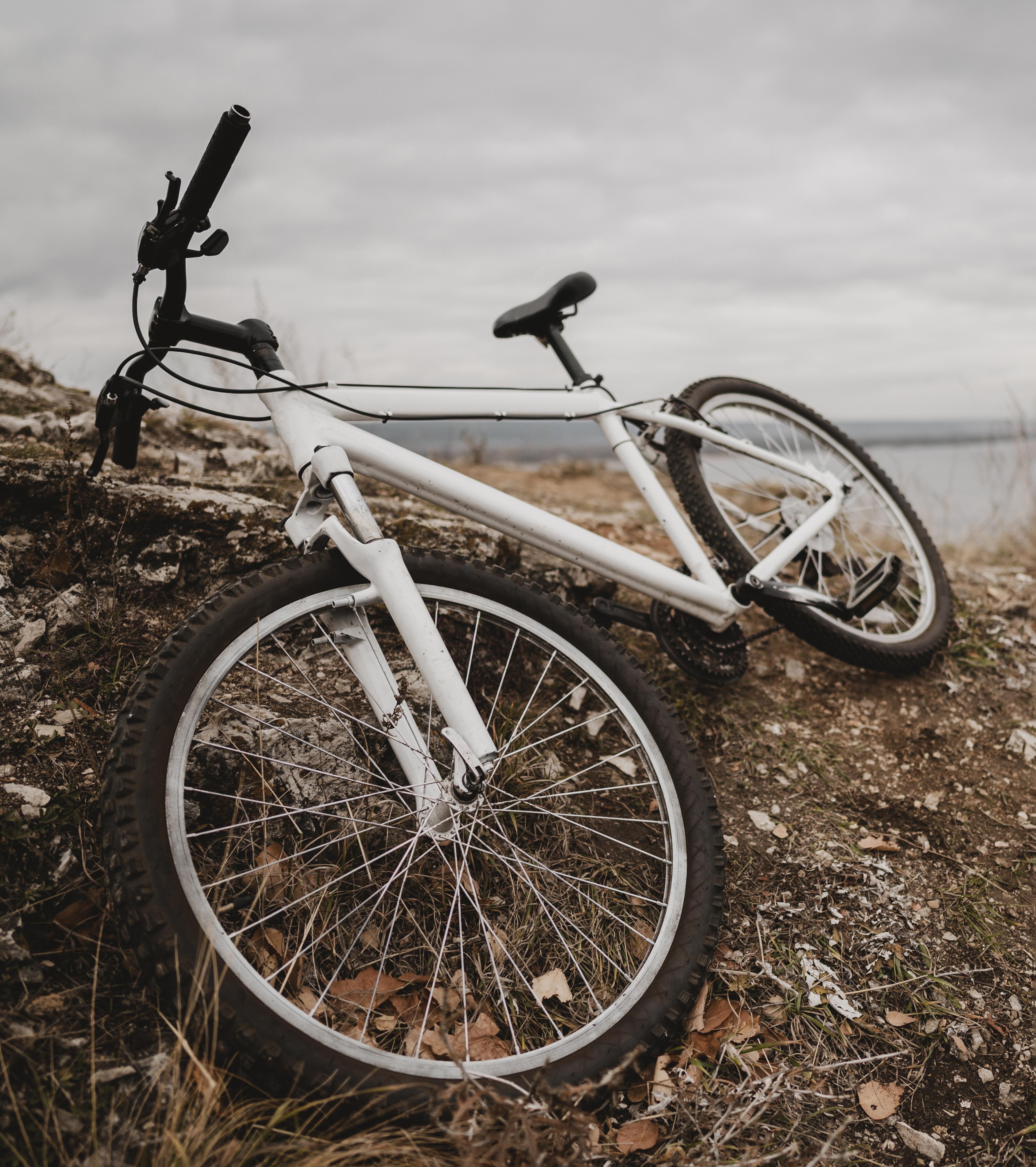
Mountain biking is a popular outdoor activity in South Africa, offering opportunities to explore natural landscapes, forest trails, mountain paths, and off-road routes. Different terrains require different bicycle features, making it important for cyclists to understand the equipment available before making a purchase. One option that attracts attention among recreational and experienced riders is a dual suspension mountain bike.
People searching for a dual suspension mountain bike for sale often want to understand its design, performance, comfort, and suitability for different riding conditions. These bicycles are designed with suspension systems at both the front and rear, helping absorb impacts when travelling over uneven surfaces.
Understanding the main features and practical considerations can help South African cyclists identify a suitable bicycle according to their riding preferences and requirements.
What Is a Dual Suspension Mountain Bike?
A dual suspension mountain bike is an off-road bicycle equipped with two suspension systems. One is located in the front fork, while the other is positioned near the rear wheel through a suspension mechanism integrated into the bicycle frame.
The front suspension helps absorb impacts from rocks, roots, and uneven trail surfaces. The rear suspension provides additional shock absorption, helping the rear wheel maintain contact with the ground.
This design can improve comfort, stability, and control when cycling across challenging terrain. Dual suspension bicycles are commonly used for trail riding, cross-country routes, and technical mountain biking.
Key Features of a Dual Suspension Mountain Bike
Several components influence the performance and suitability of a dual suspension mountain bike.
1. Front Suspension Fork
The front suspension fork absorbs impacts from obstacles encountered along a trail. It helps reduce vibrations transferred to the handlebars and supports better steering control.
The amount of suspension travel varies depending on the bicycle's intended use. Different travel ranges are designed for different types of riding conditions.
2. Rear Suspension System
The rear suspension is one of the main characteristics that distinguishes a dual suspension mountain bike from a hardtail bicycle.
It allows the rear wheel to move in response to uneven terrain, helping reduce the impact of obstacles. The suspension design and adjustment options can influence the bicycle's overall handling.
3. Bicycle Frame
The frame provides structural support and connects the major bicycle components. Dual suspension mountain bike frames are designed with additional pivots and mounting points to accommodate the rear suspension system.
Frame material, geometry, size, and construction can influence bicycle weight, durability, and riding position.
4. Braking System
Mountain bikes commonly use disc brakes because they provide controlled braking across different trail conditions.
Hydraulic and mechanical disc brakes are two common systems. Their performance depends on component quality, maintenance, and correct adjustment.
5. Tyres and Wheels
Tyres play an important role in traction and stability. Wider tyres with suitable tread patterns can provide grip on loose surfaces, rocky paths, and forest trails.
Wheel size and tyre construction also influence how a bicycle responds to different obstacles.
Benefits of Dual Suspension Mountain Bikes
A dual suspension mountain bike offers several advantages for off-road cycling.
- Improved Comfort: Front and rear suspension systems help absorb impacts from uneven surfaces.
- Better Trail Control: Suspension movement can help maintain wheel contact with the ground.
- Reduced Vibrations: The suspension system helps minimise the impact of repeated bumps during longer rides.
- Greater Terrain Adaptability: These bicycles can be suitable for different off-road environments, depending on their design.
- Enhanced Stability: Appropriate suspension settings can contribute to better control on technical trails.
However, the overall riding experience depends on bicycle geometry, suspension setup, tyre selection, and individual riding ability.
Types of Riding Suitable for Dual Suspension Mountain Bikes
South Africa offers various mountain biking environments, and different dual suspension designs are intended for different riding styles.
Cross-Country Riding
Cross-country mountain biking involves longer routes, climbing sections, and varied trail surfaces. Bicycles designed for this activity generally focus on efficiency, manageable weight, and balanced suspension performance.
Trail Riding
Trail riding includes a mixture of climbs, descents, turns, and uneven surfaces. Trail-oriented dual suspension bicycles are designed to provide a balance between climbing efficiency and downhill control.
Enduro Riding
Enduro cycling involves technical downhill sections combined with uphill riding. These bicycles generally feature suspension systems designed to handle demanding terrain and repeated impacts.
Downhill Riding
Downhill mountain biking focuses on steep descents and technically challenging routes. Downhill bicycles typically have longer suspension travel and stronger frame construction to accommodate demanding riding conditions.
Factors to Consider When Searching for a Dual Suspension Mountain Bike for Sale
Finding a suitable dual suspension mountain bike requires careful consideration of several factors.
Frame Size: The bicycle should match the rider's height and body proportions. Correct sizing supports comfortable positioning and better control.
Suspension Travel: Suspension travel should match the intended riding environment. Longer travel is generally associated with more demanding terrain, while shorter travel may be suitable for less technical routes.
Frame Material: Common materials include aluminium and carbon fibre. Each has different characteristics relating to weight, strength, maintenance, and cost.
Condition: When considering a second-hand bicycle, the frame, suspension components, wheels, brakes, and drivetrain should be inspected carefully.
Maintenance Requirements: Dual suspension systems contain moving components that require regular inspection and servicing.
Budget: Prices can vary according to frame material, component specifications, suspension technology, and overall condition.
Maintaining a Dual Suspension Mountain Bike
Regular maintenance helps preserve bicycle performance and safety. The suspension fork and rear shock should be inspected for signs of damage, leaks, or unusual movement.
The chain, gears, brakes, tyres, and wheel alignment should also receive routine attention. Suspension settings should follow the manufacturer's recommendations and suit the rider's weight and riding conditions.
After riding through muddy or dusty environments, cleaning the bicycle can help prevent dirt from affecting moving components.
Conclusion
A dual suspension mountain bike for sale can be a suitable option for South African cyclists interested in exploring different off-road environments. Its front and rear suspension systems provide additional impact absorption, comfort, and control across uneven terrain.
Before selecting a bicycle, individuals should consider frame size, suspension travel, component specifications, intended riding style, and maintenance requirements. Understanding these factors helps ensure that the chosen bicycle matches the rider's needs and the conditions of the trails.

