


How Can Caifu Portable Water Pump Materials Influence Your Choice
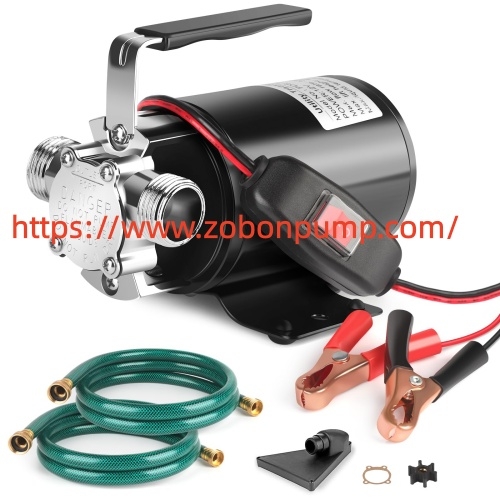
Portable Water Pump election is often influenced by a simple question: how can people move water conveniently when a fixed installation is not available? From household maintenance and garden irrigation to construction drainage and outdoor activities, different situations call for equipment that can be transported and positioned according to changing needs. However, portability is only one part of the purchasing decision. Material construction, operating methods, connection arrangements, and maintenance requirements also deserve attention before choosing a suitable product.
One reason buyers consider movable pumping equipment is the variety of locations where water transfer may be necessary. A homeowner may need to remove accumulated rainwater from a basement or supply water to a garden. Construction workers may encounter temporary drainage requirements, while outdoor users may need a convenient solution for transferring water between storage containers and working areas. Agricultural operators can also use movable equipment when irrigation tasks involve different sections of farmland.
These applications may appear similar, but their working conditions can be quite different. Water containing leaves, sand, or other particles creates different requirements from relatively clean water. Buyers should therefore identify the liquid source and its characteristics before discussing a product configuration with a manufacturer.
Material construction is another factor worth examining. The housing, impeller, shaft, seals, and connection components all contribute to the overall structure. Cast iron is commonly used in mechanical housings because of its structural characteristics. Stainless steel may be considered when corrosion resistance is important, while certain designs incorporate other materials to address weight, handling, or application requirements.
The surrounding environment also matters. Equipment used outdoors may encounter moisture, dust, changing temperatures, and uneven working surfaces. Materials and protective arrangements should be evaluated according to these conditions. Instead of choosing a product simply because its exterior looks solid, buyers should ask about the construction of internal components and the suitability of materials for the intended liquid.
Another important consideration is how easily equipment can be transported and positioned. A practical design should take into account the handle arrangement, carrying method, connection accessibility, and overall structure. These details can influence the user experience when equipment needs to be moved between storage areas, gardens, construction locations, or temporary workspaces.
Portability also involves more than physical handling. Installation should be straightforward enough for users to understand the required connections and operating procedures. Clear instructions can help reduce confusion during setup, especially when equipment is used by different people across several locations. Buyers should review how the inlet and outlet connections are arranged and whether the product is compatible with their existing hoses or pipelines.
Mechanical design determines how the equipment transfers liquid. Centrifugal designs use an impeller to generate fluid movement, while self priming arrangements are developed for applications involving particular suction conditions. Submersible models operate below the liquid surface and may be suitable for certain drainage or water collection tasks. These different structures serve different purposes, so the selection should reflect the actual working environment.
Motor protection and electrical compatibility deserve equal attention. Outdoor conditions may expose electrical equipment to moisture or dust, making suitable protection and correct installation important. Users should follow the manufacturer's operating instructions and ensure that electrical connections match the intended application. Safety arrangements should never be overlooked simply because the equipment is designed for temporary use.
Modern equipment design also considers operating convenience. Depending on the product configuration, users may encounter features such as automatic controls, thermal protection, or integrated switching arrangements. These functions can support different operating requirements, but their usefulness depends on the task. For example, a drainage application may benefit from automatic water level control, while a straightforward garden watering task may not require the same arrangement.
Maintenance is another area that can influence long term ownership. Equipment that can be inspected without complicated procedures may be easier to manage during regular use. Users should pay attention to unusual noise, vibration, leakage, damaged cables, and visible wear. Cleaning the surrounding area and checking connections before operation can also help identify potential issues.
Storage deserves consideration as well. After use, equipment should be cleaned according to manufacturer instructions and kept in an appropriate location. Protecting connections and electrical components from unnecessary exposure can support routine maintenance. For users who move equipment between different projects, an organized storage arrangement also makes transportation and preparation more convenient.
Manufacturing quality involves several connected processes, including product design, material processing, component assembly, inspection, and packaging. Buyers may benefit from asking manufacturers about inspection procedures, available product configurations, replacement components, and technical support. These conversations help clarify whether a particular design corresponds with the intended application.
Caifu offers different fluid handling equipment categories, including submersible, centrifugal, self priming, jet, and multistage designs. The company also provides customization discussions based on customer requirements, giving distributors, contractors, and individual buyers an opportunity to communicate their intended applications. Considering these options can help purchasers identify equipment arrangements that fit different working environments.
Ultimately, choosing movable fluid handling equipment involves balancing convenience with practical operating requirements. Buyers should consider the water source, material compatibility, transportation arrangements, connection design, electrical conditions, and maintenance procedures before making a decision. For businesses and individuals comparing products for household, agricultural, construction, or outdoor applications, Caifu provides product information and manufacturing details at https://www.zobonpump.com/product/ here visitors can review available categories and discuss suitable configurations for their projects.

