


Can Kaixin Permanent Magnetic Lifter Improve Your Workshop Workflow
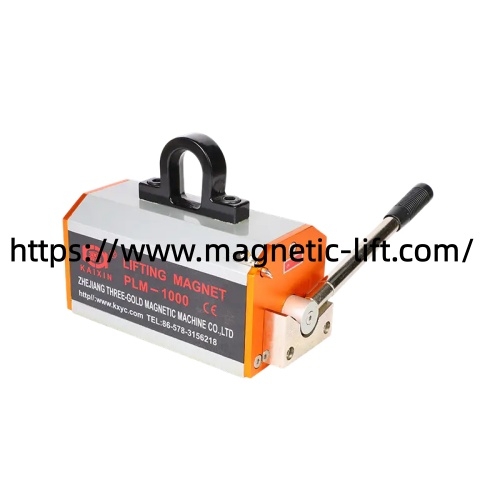
Permanent Magnetic Lifter technology offers an interesting approach to handling metal materials in manufacturing facilities, steel processing workshops, and industrial storage environments. When businesses look for ways to simplify material movement, equipment design and operating convenience become important considerations. Traditional handling methods may involve several accessories and additional preparation, while a suitable lifting device can provide a more direct approach to moving compatible metal workpieces. For industrial buyers, understanding how this equipment works and what influences its application can make purchasing decisions more informed. Kaixin focuses on practical industrial handling products designed around the needs of material processing and workshop operations.
One important consideration when selecting material handling equipment is its construction. Industrial products regularly face demanding working environments, where surface contact, structural stability, and component quality influence everyday usability. A well designed housing helps protect internal components during normal handling activities, while a carefully finished contact surface supports proper interaction with the workpiece. The handle and operating mechanism also deserve attention because they influence how operators engage with the equipment. A comfortable grip and clearly arranged controls can make routine handling easier to manage.
Material compatibility is another subject that deserves attention before purchasing. Not every metal workpiece is suitable for this type of equipment. Carbon steel and other compatible ferrous materials are commonly considered, while certain stainless steel grades and nonferrous materials may not provide the required attraction. Buyers should identify the actual material composition instead of relying only on general product descriptions. This step helps businesses avoid selecting equipment that does not match their intended applications.
Surface condition can also influence the handling process. Rust, paint, dirt, oil, and uneven finishes may affect the contact between the equipment and the workpiece. A flat, clean contact area generally provides more suitable conditions for operation. Curved objects, narrow sections, perforated sheets, and irregular components require additional evaluation because their contact characteristics differ from those of flat steel plates. Understanding these details before purchasing helps businesses communicate their requirements more clearly to suppliers.
Another question industrial buyers often consider is how equipment selection relates to different working environments. A metal fabrication workshop may handle flat plates throughout the day, while a machinery manufacturer may need to move finished components between production stages. Warehouses may have different requirements involving storage arrangements and material transfer. These situations call for equipment selected according to the actual shape, material, handling direction, and working process.
Operating convenience is equally relevant. Equipment that has a straightforward control mechanism can help operators understand the handling process more easily after receiving appropriate training. A secure operating arrangement, accessible handle, and clearly identifiable working positions contribute to a more organized experience. Before every operation, workers should check the equipment condition, confirm suitable contact with the workpiece, and follow the manufacturer instructions. Such practices help reduce avoidable handling risks.
Safety should remain part of every purchasing discussion. Industrial lifting activities require proper planning rather than relying on equipment appearance or general descriptions. The actual load, material characteristics, workpiece balance, surface condition, and supporting crane or hoist all need consideration. Operators should never assume that an item can be handled safely simply because it appears suitable. Manufacturer documentation and application specific guidance should determine whether a particular configuration is appropriate.
Routine inspection also contributes to consistent equipment management. Operators can pay attention to the contact surface, handle movement, locking arrangements, suspension components, and visible signs of wear. Any unusual condition should be reported before the next operation. Regular maintenance according to supplier recommendations helps businesses identify potential problems and organize equipment management more effectively. Training is equally important because operators need to understand application restrictions, operating procedures, and workplace safety arrangements.
Product appearance and structural organization may seem like secondary purchasing factors, but they can influence daily interaction. Compact construction can be useful in workshops where storage space and equipment organization matter. An accessible operating mechanism may also help reduce unnecessary adjustments during routine tasks. Buyers should consider how the equipment will be stored, transported, connected to existing handling systems, and maintained between working periods.
For distributors and industrial purchasing teams, supplier communication is another essential part of the selection process. Providing clear information about the intended workpieces, material types, surface conditions, and application environment allows manufacturers to evaluate product suitability more accurately. Buyers can also request product documentation, operating instructions, maintenance recommendations, and relevant inspection information before confirming an order. Clear communication helps both parties establish realistic expectations and identify the appropriate product configuration.
The development of industrial material handling continues to place attention on practical equipment design, operator convenience, and organized production processes. Businesses do not simply need a device that can move a workpiece. They also need equipment that fits existing workflows and can be managed through established safety procedures. Kaixin brings this practical perspective to its industrial product offering, providing buyers with an additional option when evaluating workshop handling solutions. Companies interested in product details, application possibilities, and available equipment can visit https://www.magnetic-lift.com/product/ o review the Kaixin product range and identify options that correspond with their material handling requirements.

