


Understanding Vascular Malformations and Their Treatment Options
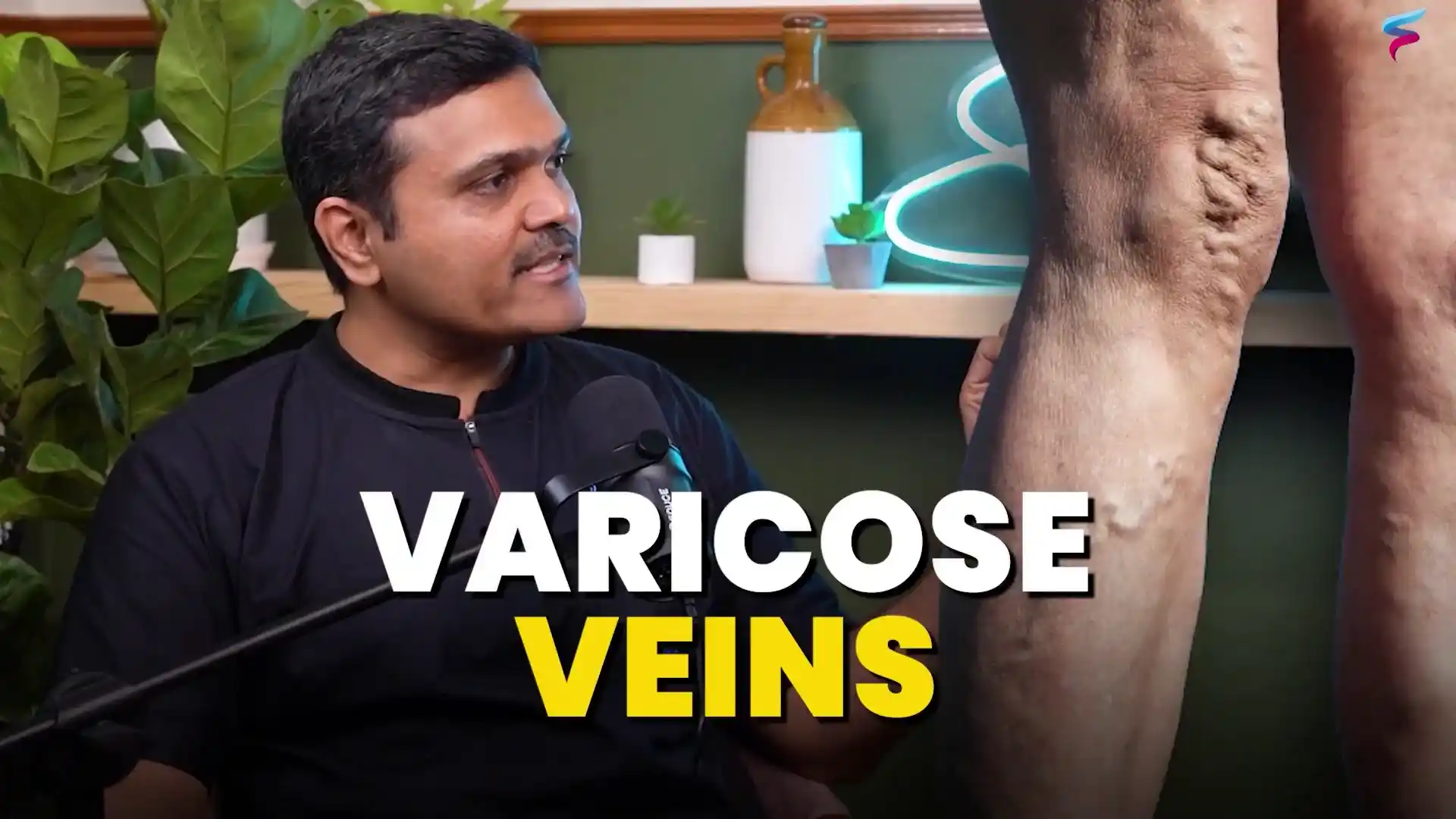
Vascular malformations are abnormal formations of blood vessels that develop due to irregularities in the way blood vessels form during development. They can affect arteries, veins, capillaries, lymphatic vessels, or a combination of these structures. Vascular Malformation Treatment depends on the type, size, location, symptoms, and potential complications of the malformation. While some vascular malformations remain stable and require only monitoring, others may need medical intervention to manage pain, swelling, bleeding, or functional problems.
Understanding the condition and available treatment approaches can help patients make informed decisions about their vascular health.
What Are Vascular Malformations?
Vascular malformations are structural abnormalities of blood vessels that are generally present from birth, although some may not become noticeable until later in life. Unlike vascular tumors, which involve abnormal cell growth, vascular malformations are caused by irregular blood vessel development.
These abnormalities may grow gradually as a person grows and can sometimes become more noticeable following hormonal changes, injury, infection, or other factors.
Vascular malformations can occur anywhere in the body, including the skin, muscles, limbs, face, and internal organs.
Types of Vascular Malformations
Different types of vascular malformations have distinct characteristics and may require different treatment approaches.
1. Venous Malformations
Venous malformations involve abnormal veins that may be enlarged, poorly formed, or interconnected. They often appear as soft, bluish areas beneath the skin and may become more prominent when the affected area is lowered or during physical activity.
Symptoms can include swelling, pain, discomfort, and occasionally blood clot formation within the abnormal veins.
2. Arteriovenous Malformations
Arteriovenous malformations (AVMs) occur when arteries connect directly to veins without the normal network of capillaries between them. This can result in abnormal blood flow and increased pressure within the affected vessels.
AVMs may cause pain, swelling, warmth, skin changes, bleeding, or other complications depending on their location and size.
3. Capillary Malformations
Capillary malformations are abnormalities involving small blood vessels close to the skin's surface. They may appear as flat pink, red, or purple patches and are sometimes referred to as birthmarks.
Although many capillary malformations primarily affect appearance, some may require evaluation if they are associated with deeper vascular abnormalities or other medical concerns.
4. Lymphatic Malformations
Lymphatic malformations involve abnormal lymphatic vessels responsible for draining fluid from tissues. They can cause swelling, fluid-filled areas, discomfort, and sometimes recurrent infections.
These malformations may affect the face, neck, limbs, or other parts of the body.
Common Symptoms of Vascular Malformations
Symptoms vary depending on the type and location of the abnormal blood vessels. Some patients may have no symptoms, while others experience noticeable discomfort or complications.
Common symptoms include:
-
Visible red, purple, or bluish skin discoloration
-
Swelling in the affected area
-
Pain or tenderness
-
A soft lump or abnormal tissue growth
-
Warmth over the affected region
-
Bleeding in certain types of malformations
-
Restricted movement when muscles or joints are affected
-
Recurrent inflammation or infection in some cases
Any rapidly increasing swelling, unexplained bleeding, or persistent pain should be evaluated by a qualified medical professional.
How Are Vascular Malformations Diagnosed?
Accurate diagnosis is essential because different vascular malformations may require different treatment strategies.
A vascular specialist may begin with a physical examination and review the patient's medical history, including when the abnormality first appeared and whether it has changed over time.
Diagnostic tests may include:
Doppler ultrasound: Helps evaluate blood flow and identify the type of vascular abnormality.
MRI: Provides detailed information about the size, depth, and extent of the malformation, especially when muscles or deeper tissues are involved.
CT imaging or angiography: May be recommended in selected cases to assess vascular anatomy and blood flow patterns.
The diagnostic approach depends on the suspected type of malformation and the area of the body affected.
Vascular Malformation Treatment Options
Treatment is individualized according to the type of malformation, symptoms, location, and risk of complications. Not every vascular malformation requires active treatment.
1. Observation and Monitoring
Small, stable, and asymptomatic vascular malformations may be managed through regular monitoring.
Observation helps specialists track changes in size, symptoms, and function while avoiding unnecessary procedures. Patients may be advised to return for evaluation if the malformation becomes painful, swollen, or begins to change.
2. Compression Therapy
Compression garments may be recommended for certain venous malformations, particularly those affecting the limbs.
Compression can help manage swelling, improve comfort, and support circulation. The type and level of compression should be determined by a medical professional based on the patient's condition.
3. Sclerotherapy
Sclerotherapy is commonly used for selected venous and lymphatic malformations. During the procedure, a specialist injects a medication into the abnormal vessels to cause them to close or shrink.
The treatment may help reduce the size of the malformation and improve symptoms such as pain or swelling. Multiple treatment sessions may sometimes be necessary.
4. Laser Treatment
Laser therapy may be considered for certain superficial vascular malformations, particularly those affecting the skin.
Laser treatment targets abnormal blood vessels and may help reduce visible discoloration. The suitability of laser therapy depends on the type, depth, and location of the malformation.
5. Embolization
Embolization is a minimally invasive procedure used in selected vascular malformations, particularly some arteriovenous malformations.
A specialist uses a catheter to deliver materials that reduce or block abnormal blood flow through specific vessels. Embolization may be used as a standalone treatment or in combination with surgery, depending on the condition.
6. Surgical Treatment
Surgery may be considered when a vascular malformation causes significant symptoms, functional limitations, bleeding, or other complications and can be safely removed or treated.
The surgical approach depends on the anatomy of the malformation and its relationship with surrounding tissues. In some cases, complete removal may not be possible, and treatment may focus on reducing symptoms and improving function.
When Should You Consult a Vascular Specialist?
Medical evaluation is recommended if you notice a persistent abnormal blood vessel pattern, unexplained swelling, a growing vascular lump, recurring pain, bleeding, or changes in skin color.
Early assessment can help identify the type of vascular malformation and determine whether monitoring or treatment is appropriate.
A specialist may also recommend further imaging when the abnormality extends beneath the skin or involves deeper structures.
Conclusion
Vascular malformations are abnormal blood vessel formations that can range from harmless, stable abnormalities to conditions requiring specialized medical treatment. Their symptoms and potential complications depend on the type of vessels involved, their location, and their extent.
Vascular Malformation Treatment may include observation, compression therapy, sclerotherapy, laser treatment, embolization, or surgery. A proper diagnosis is essential for choosing the safest and most effective approach.
Consulting an experienced vascular specialist can help patients understand their condition, evaluate treatment options, and receive an individualized management plan.

