


Animation Gaming Market Overview: Exploring the Landscape of Interactive Visual Entertainment
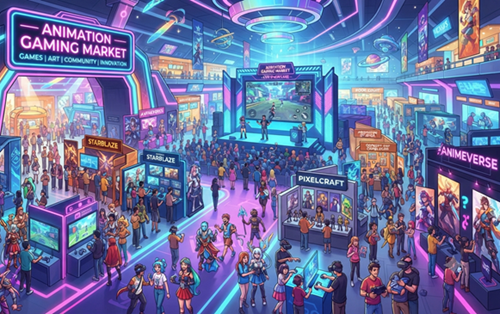
The Animation Gaming Market Overview reveals a complex ecosystem where creative artistry, technological innovation, and consumer engagement intersect to create one of modern entertainment's most dynamic sectors. This comprehensive examination encompasses the diverse range of activities, participants, and trends that collectively define the animated gaming industry. From independent studios crafting distinctive visual experiences to multinational corporations deploying extensive resources toward blockbuster titles, the market encompasses remarkable diversity in scale, approach, and creative vision. The overview of this market requires consideration of multiple dimensions, including the technical foundations that enable animated gameplay, the creative processes that bring virtual worlds to life, the business models that sustain ongoing development, and the consumer behaviors that drive demand for new experiences. Understanding these interconnected elements provides a foundation for navigating the complexities of this evolving industry.
Structural Composition of the Market
The Animation Gaming Market comprises a multifaceted structure that includes developers, publishers, technology providers, platform operators, and ancillary service companies that collectively bring animated gaming experiences to consumers. Development studios range from small independent teams focused on artistic innovation to large-scale operations employing hundreds of animators, designers, and programmers. Publishers serve as crucial intermediaries, providing funding, marketing expertise, and distribution capabilities that enable games to reach global audiences. Technology providers supply the engines, tools, and middleware that power animated gameplay, continually advancing capabilities that developers can leverage. Platform operators control the digital storefronts and hardware ecosystems through which consumers access animated games, influencing market dynamics through their policies and technical requirements. Ancillary services, including motion capture studios, voice acting agencies, and quality assurance providers, support the production process. This interconnected structure creates a resilient ecosystem that supports innovation while maintaining commercial viability across diverse market segments.
Key Market Segments and Categories
The Animation Gaming Market encompasses numerous segments differentiated by animation technique, game genre, platform, and monetization approach. Three-dimensional animation dominates the visual landscape, offering depth, realism, and immersion that resonates with modern gaming audiences across genres. Two-dimensional animation maintains dedicated followings, particularly in genres that benefit from distinctive artistic styles and stylistic consistency. Stop-motion animation represents a growing niche, appealing to developers and players who appreciate tactile, handcrafted aesthetics. Motion capture technology enables lifelike character performances that enhance narrative immersion in story-driven games. Cut-out animation techniques provide distinctive visual character that appeals to specific artistic sensibilities. Game genres span action, adventure, role-playing, simulation, and educational categories, each with distinct animation requirements and audience expectations. Platform considerations influence animation design, with PC, console, mobile, and emerging virtual and augmented reality platforms each presenting unique technical parameters. Monetization models range from free-to-play to premium pricing, subscription services, in-app purchases, and advertising-supported models, each affecting animation design and content strategy.
Competitive Landscape and Key Participants
The competitive landscape of the Animation Gaming Market features a mix of established industry leaders and emerging innovators who collectively shape the sector's direction. Major platform holders including Nintendo, Sony Interactive Entertainment, and Microsoft have cultivated extensive first-party animation capabilities that support iconic franchises. Large publishers such as Activision Blizzard, Electronic Arts, and Ubisoft maintain substantial internal animation resources and have established reputations for visual excellence. Japanese companies including Bandai Namco Entertainment and Square Enix have developed distinctive animation aesthetics that resonate globally. The Walt Disney Company leverages its extensive intellectual property portfolio to create gaming experiences that extend its animated storytelling tradition. Riot Games and Epic Games represent newer entrants who have achieved remarkable success through innovative approaches to animation and game design. This competitive environment encourages continuous improvement and innovation, as participants vie for consumer attention and market share.
Consumer Demographics and Engagement Patterns
The Animation Gaming Market serves remarkably diverse consumer demographics, with animated content appealing across age groups, cultural backgrounds, and gaming preferences. Children represent a significant segment, drawn to colorful visuals, engaging characters, and age-appropriate interactive experiences that combine entertainment with educational value. Teenagers constitute a rapidly growing demographic, particularly engaged with competitive and social gaming experiences that feature sophisticated animation. Adults form a substantial portion of the market, appreciating complex narratives, artistic sophistication, and nostalgic connections to animation styles. Older consumers increasingly participate in animated gaming, attracted by accessible controls, engaging content, and social connection opportunities. Engagement patterns vary across platforms and genres, with mobile gaming attracting casual players seeking brief interactive sessions while console and PC gaming appeal to dedicated enthusiasts willing to invest extended time. Social media and streaming platforms have become crucial discovery channels, influencing consumer engagement and community formation around animated gaming content.
Future Directions and Emerging Opportunities
The Animation Gaming Market appears poised for continued evolution, with numerous emerging opportunities shaping the sector's future direction. Virtual reality and augmented reality technologies promise to create entirely new dimensions for animated gaming experiences, blending virtual elements with physical environments in unprecedented ways. Artificial intelligence advancements may enable more sophisticated character behaviors and procedural animation generation, reducing production costs while enabling greater variety. Cross-platform integration will likely become increasingly important, as consumers expect seamless experiences across devices. The growing influence of user-generated content may democratize animation creation, enabling players to contribute to the visual landscapes they inhabit. Sustainability considerations are emerging as important factors in production decisions, with studios seeking efficient workflows that reduce environmental impact. The continued blurring of boundaries between animation and gaming suggests a future where interactive animated experiences become increasingly integrated into broader entertainment ecosystems.
➤ Latest Market Intelligence from Market Research Future:

