


Private Sightseeing: 10 Steps to Plan an India Holiday
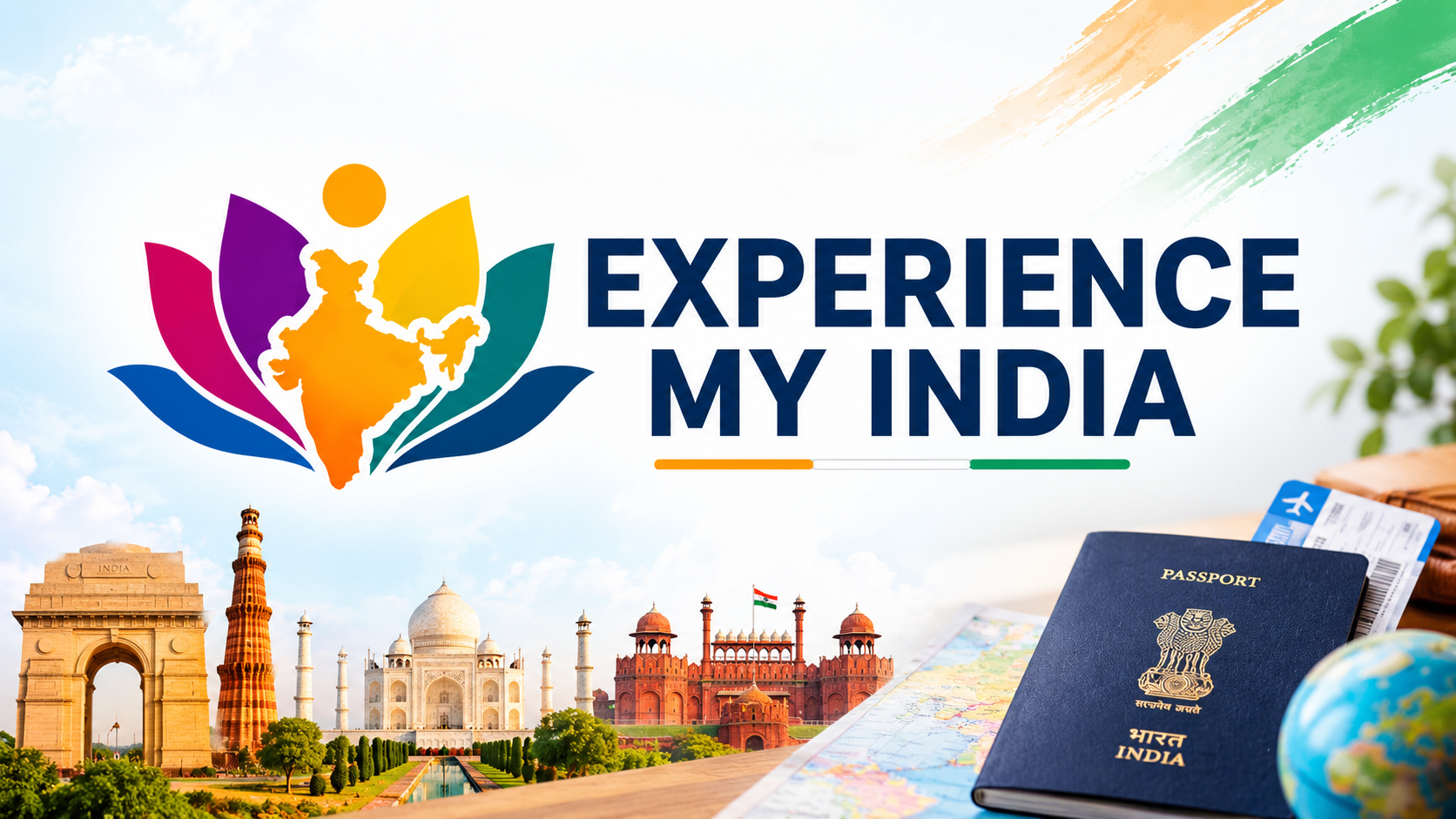
Planning an India holiday with private sightseeing gives you greater control over the places you visit, the time you spend there and the pace of each day. Start by choosing a realistic route, then arrange transport, guides, tickets and hotel stays around your interests and travel dates.
1. Choose the kind of holiday you want
India offers very different experiences across its regions. A journey through Rajasthan may focus on forts, palaces, historic cities and desert landscapes. Kerala suits travellers interested in backwaters, tea country and coastal stays. Delhi, Agra and Jaipur offer a practical introduction to North Indian history and architecture.
Begin by deciding what interests you most. You might prefer religious heritage, food, wildlife, architecture, nature or a mixture of experiences. Discuss these priorities with everyone travelling, particularly if the group includes children or older relatives.
Avoid choosing destinations simply because they appear on popular itineraries. A holiday should leave enough time to enjoy each place rather than turning every day into a transfer between attractions.
For an initial overview of regions and travel styles, the India travel inspiration and destination ideas from Experience My India can help you identify places that match your interests.
2. Build a route that suits your available time
The next decision is how many destinations you can comfortably include. India is geographically large, and travelling between regions can take longer than visitors expect. A route should account for actual road journeys, flight connections, hotel changes and time needed at each attraction.
For a first visit, the Golden Triangle is a familiar starting point. It connects Delhi, Agra and Jaipur, combining major historic sites with different city experiences. Travellers with more time can consider adding Varanasi or extending the journey into Rajasthan.
A week is often better spent exploring one region properly. Two weeks or more can make a combination of regions more practical, depending on transport connections and personal interests.
Resist the temptation to add a distant destination just because it looks close on a map. A long transfer can take away the time you expected to spend sightseeing.
3. Decide what private sightseeing means for your group
A private sightseeing arrangement should reflect how you want to explore, not simply provide a vehicle for the day. Consider whether you prefer a guide throughout the visit, a driver who takes you between attractions, or a combination of both.
A private guide can explain historical details, local traditions and the significance of religious places. A driver provides transport between hotels and attractions, but should not automatically be expected to act as a licensed guide.
Discuss the preferred language, group size and level of assistance required. Families with young children may want shorter visits and regular breaks. Travellers interested in photography may prefer more time at selected locations rather than a fixed sequence of stops.
Also clarify whether the vehicle and guide are reserved exclusively for your party. Experience My India's private tour options across India illustrate arrangements built around a travelling party with its own car, driver and guide rather than a shared coach group.
4. Select attractions with a clear purpose
Once the route is decided, make a list of the places you genuinely want to visit. Separate essential attractions from optional stops. This makes it easier to adjust the schedule if traffic, weather or local arrangements affect the day.
Think about what each visit adds to the holiday. At a historic fort, you may want a guide to explain its architecture and political history. In a market, you may prefer time to walk, observe local life and browse at your own pace.
Religious sites deserve particular consideration. A visit to a temple, mosque, gurdwara or monastery involves local customs and expectations. Ask about clothing, footwear, photography and visitor access before arriving.
Avoid treating every attraction as a quick photograph stop. Some places are best appreciated slowly, especially large archaeological complexes, museums and historic neighbourhoods.
5. Set a comfortable daily sightseeing pace
A good itinerary balances visits with time to rest. Three major attractions in different parts of a busy city may look possible on paper, but traffic and entry procedures can make the day tiring.
Group nearby attractions together. In Delhi, for example, the capital's historic monuments, gardens, markets and religious sites are spread across different areas. Allow enough time for travel between them rather than assuming that a short distance on a map means a quick drive.
Consider starting outdoor visits earlier in the day during hotter months. Keep indoor attractions, relaxed meals or hotel breaks available for the warmer part of the afternoon.
If you are travelling with older family members, ask about walking distances, stairs, seating and vehicle access. Forts and palace complexes can involve uneven surfaces and extended walking. A realistic schedule makes the experience more enjoyable for everyone.
6. Confirm guides, tickets and opening arrangements
Attractions do not all follow the same visitor arrangements. Some allow tickets at the entrance, while others may use online reservations or timed entry. Museums and monuments can also have weekly closing days or special operating arrangements.
Check the official visitor information close to your travel date. Confirm whether a ticket covers all the areas you intend to visit and whether a separate reservation is required for a particular experience.
If a guide is included, establish where the meeting will take place and how long the guided visit is expected to last. At a large monument, a specific entrance or ticket counter is more useful as a meeting point than a general instruction to meet outside.
Keep ticket confirmations accessible on your phone. Save copies in advance in case mobile data is unreliable. Where a visit has a fixed entry time, plan the pickup with enough allowance for traffic and security checks.
7. Arrange transport around the sightseeing plan
Transport should be planned as part of the daily route. Confirm the vehicle type, passenger capacity, luggage space and pickup location. A group with several large suitcases may need a different vehicle from a couple travelling with small bags.
Ask whether the driver remains with the group during sightseeing or whether a separate pickup will be arranged. In older city areas, vehicles may not be permitted to enter narrow lanes. You may need to walk from a nearby drop off point or use local transport for part of the visit.
For journeys between cities, clarify the approximate departure time, planned stops and expected arrival. Avoid scheduling an important guided visit immediately after a long road journey.
A useful transport plan also identifies the hotel entrance, driver meeting point and procedure if the group is delayed. These details are especially helpful when travelling in unfamiliar cities.
8. Choose hotels that support the route
Hotel location can make a noticeable difference to the rhythm of a holiday. A property near the main sightseeing area may reduce daily travel, while a quieter location outside the centre may offer more space and a calmer atmosphere.
Compare hotels by location, room arrangements, facilities and suitability for your group. Ask for the actual property name rather than accepting a broad description such as a central heritage hotel. Confirm the room category, occupancy and whether breakfast is included.
Check arrival and departure times against the transport schedule. If you arrive early, ask whether luggage storage or early room access can be arranged. For an early sightseeing departure, confirm breakfast arrangements with the hotel.
When planning several cities, check how far each hotel is from the next day's first attraction. A convenient hotel can reduce unnecessary driving and make it easier to return for a rest between visits.
9. Keep room for local experiences and unexpected changes
A private itinerary should have structure without making every hour feel fixed. Leave space for a relaxed meal, an unplanned market visit or extra time at a place that interests you.
Local experiences can add a different perspective to a holiday. In Varanasi, visitors may wish to experience the riverfront at sunrise and observe the evening Ganga aarti respectfully. In Kerala, a backwater cruise or time in the tea growing region can provide a slower contrast to city sightseeing.
Weather, traffic, public events and local restrictions can affect plans. Ask how optional visits can be rearranged if a particular attraction becomes inaccessible or the group needs more rest.
A flexible schedule does not mean leaving essential arrangements uncertain. Confirm important tickets, guides and transfers in advance, while keeping less essential activities adjustable.
10. Prepare documents and confirm the complete itinerary
Before departure, check passport validity, visa requirements and the documents needed for your journey. Foreign visitors who require an Indian e Tourist Visa should confirm their eligibility and application conditions through the official government portal. Requirements can depend on nationality and visa category.
The India visa preparation guide from Experience My India provides an overview of the process. Always verify current rules and submit applications through the official Indian visa portal rather than an unofficial website.
Once the travel arrangements are agreed, ask for one written itinerary containing the travel dates, hotel names, transport details, guide arrangements and planned visits. It should identify which entrance tickets, meals and activities are included and which are separate.
Read the document carefully before departure. Check spelling of names, arrival details, hotel dates and the sequence of destinations. Keep the latest version available offline so that you can refer to it during the holiday.
Share the relevant daily details with everyone travelling. Each person should know the pickup time, meeting point and hotel name. Clear information reduces confusion and leaves more time to enjoy the places you have come to see.
Frequently asked questions
Is private sightseeing suitable for a first visit to India?
Yes. It can be particularly useful for first time visitors who want help understanding local history, customs and transport arrangements. A private schedule also makes it easier to adjust the pace to personal interests.
Is a private guide included with a private car?
Not necessarily. A driver and a sightseeing guide have different responsibilities. Confirm whether a guide is included, which attractions are covered and whether the guide accompanies your group throughout the day.
How many destinations should I include in an India holiday?
That depends on the total duration and the time you want to spend at each place. A week often suits one region, while a longer holiday can make combining regions more practical.
Should I arrange attraction tickets before travelling?
Check the official arrangements for each attraction. Advance booking is useful where timed entry or reservations apply. Keep confirmations accessible and check the date, entry time and ticket conditions.
Can a private sightseeing itinerary change during the holiday?
Yes, if the arrangements allow flexibility. Weather, traffic and personal preferences may require adjustments. Discuss how changes are handled before departure, especially for visits involving fixed tickets, guides or transport connections.

