


Tips for Maintaining Construction Equipment and Improving Performance
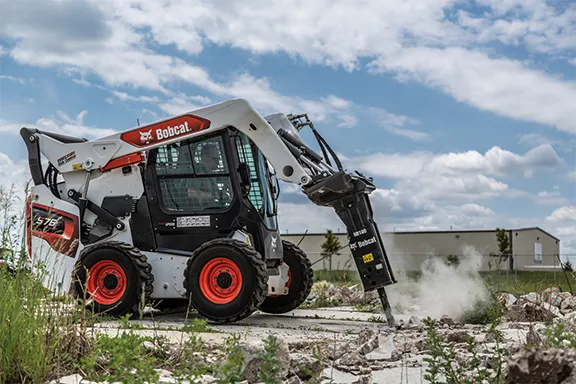
A large plant is key on a worksite. Poor maintenance can cause significant issues and affect both time and money. Alongside dirt and grime, machines are often also exposed to both high temperatures and/or increased weight – all of which create a tough working environment. Appropriate maintenance can successfully and safely be carried out for these machines. In fact, good maintenance is often the most long-lasting company asset. Below are some top tips to enable you to utilise your lone or extensive plant fleet as efficiently as possible and so reduce costly disruption and servicing issues.
Start Every Shift With a Walkaround Inspection
It is simple and highly beneficial for a team to establish a daily walk-around checking procedure. Workers should examine the plant and check that all fluids are at the correct level and check for any seepage. Furthermore, workers should check for damaged or cracked hoses and belts and confirm that all items, including lights, sirens, seatbelts, mirrors and pathways, are operational. Prior to starting up, these checks should be carried out. A paper or electronic checklist can also be highly useful to ensure nothing is overlooked. Within 5 minutes, for example, a worker can identify and rectify a slack hydraulic hose and so avoid a rupture; alongside reducing the risk of a subsequent dirty incident and consequent lost working day.
Follow the Manufacturer's Service Schedule
All construction plant comes with an operators hand book which advises on when servicing is required and this is related to the number of hours that the engine has been run. Although these are guiding pointers, they should not be disregarded. Either manually or through telematics, it is advisable to record and then analyse engine hours so that oil, filter and general servicing can be arranged in good time. Frequently, workers will deem that a service can be swiftly carried out in just a couple of hours. However, problems can then surface days or even weeks later and will need to be rectified during a full service. Moreover, if there is high levels of dust and/or severe heat, the machine may need more frequent servicing than usual or as advised.
Keep Fluids Clean and Filters Fresh
The lifeblood of heavy construction equipment are the four fluids, including engine oil, hydraulic fluid, coolant, and transmission fluids. Pumps and cylinder and engines are often poorly worn because of contaminated or degraded fluids. Never add fluids that are not listed on the manufacturer's recommendations, and only add fluid when using the recommended or manufacturer's fill caps; wipe down clean before adding fluid to avoid dirt getting into the fluid system. Change air filters as required, in humid conditions, or on dusty sites, and change any other filters as specified. Another emerging method that many fleet operators are implementing is routine oil analysis, which can detect coolant leaks, fuel dilution or metal particles, often before a component fails.
Grease Pins, Bushings and Joints Regularly
Grease components that move on loaders, excavators and backhoes depend on grease to minimize friction and prevent dirt and water from getting between moving parts. Wipe off the old grease and pump in the new grease, pushing the old grease out, before inserting the grease gun into each fitting, so as not to attract grit. Often the dry pins and bushings will wear out and cause loose controls and costly rebuilds. In the cases where machines are operating long hours, it may be interesting to be using an automatic lubrication system, it will provide the machine with grease during operation which, in turn, will provide consistent lubrication.
Look After Undercarriages and Tires
Listening to a few little tips and tricks can make big differences when it comes to maintaining the undercarriage of a tracked machine—particularly one that costs more. Maintain the manual set tension as the tension on the track will cause it to wear faster if too tight or too loose. Clear the packed mud, rocks and debris at the end of each shift and do not make high speed trips or frequent turns to one side. Do check the air pressure in tires every day on wheeled machines, look for cuts and worn tires, and ensure tires are appropriate in soil conditions on the job site.
Train Operators to Run Machines the Right Way
Operators are skilled at carrying out pre-heating, avoiding bucket overloading, using the correct settings and enabling a machine’s turbocharger to cool. They also recognise and promptly convey when something doesn’t sound, smell or feel right. Training and re-training staff is a great way to both protect machinery, as well as cut costs associated with fuel. Furthermore, it is important to encourage good practice by recognising and rewarding good behaviour in relation to highlighting minor issues.
Clean and Store Machines Properly
Machines can suffer due to metal corrosion and ingress of substances such as mud, concrete, salt and chemicals which may then accumulate within crevices and affect areas such as a machine’s cooling function. Frequently clean a washer, again being particularly thorough in the cleaning of radiators, chassis and wiring. When not in use, ideally house machinery in a solid, flat location either beneath a structure or within a hoop and pole enclosure. Ensure that liquids are flushed and that batteries are insulated against both lengthy periods of non-use and/or low temperatures. In addition, to lessen pressure on hydraulics, lower machine attachments to the floor.
Use Data to Improve Performance
Modern telemetry technology can record in real-time data relating to engine running time, fault indicators, idling and fuel consumption and can also provide information about a machine’s location. Contractors are then able to analyse this so that vehicles can be serviced in line with their use. Information is also able to be analysed in order to predict when warning indicators may develop into actual faults. As well as benefiting from reduced expenditure on fuel, there will also be less strain upon engines by limiting surplus idling. Moreover, as data is analysed further, it can show which machines within a fleet are either under or over used thus enabling more even distribution of work.
Conclusion
Effective machine maintenance therefore results in machinery that is not only more secure but also more efficient and lucrative. Contractors can further avoid issues occurring by routinely inspecting and servicing equipment and ensuring that liquids are well maintained. Combined with trained personnel and data analysis, this enables risks to both late occurrences and unexpected malfunctions to be reduced. Rather than viewing maintenance as an expense, view it as an investment that will ensure that construction machinery continues to perform efficiently for many years.

