


Can a Knee Brace Factory Adapt to Your Business Needs?
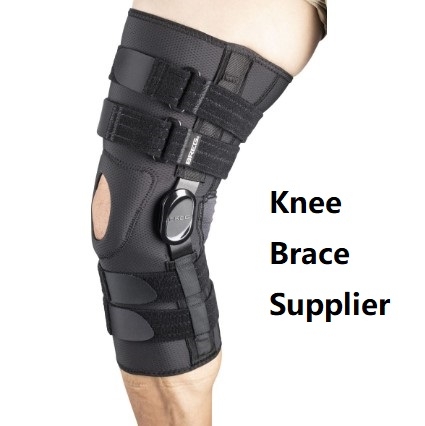
Behind every practical support accessory is a production process that combines material knowledge, product planning, and careful workmanship. Choosing a Knee Brace Factory involves looking beyond finished product appearances and considering how designs are developed, materials are selected, and manufacturing requirements are managed. Steriger provides a starting point for businesses interested in exploring knee support products and discussing sourcing possibilities for different market needs.
The production of knee support accessories begins with understanding their intended applications. Products designed for everyday activities may require different characteristics from those intended for fitness routines or outdoor sports. Some users prefer lightweight fabrics that allow natural movement, while others look for structured designs with adjustable fastening features. Recognizing these differences helps manufacturers plan suitable product styles.
Material preparation is an important part of the manufacturing process. Fabrics, elastic components, fastening materials, and supportive elements each contribute to the product's overall characteristics. Their flexibility, texture, breathability, and appearance can influence how an accessory feels during use. Careful material selection helps manufacturers create products that correspond with different customer preferences.
The design stage also requires attention to practical details. Product dimensions, fabric tension, stitching arrangements, and edge finishing can influence fit and wearing comfort. Fastening systems may offer convenient adjustments, while flexible construction can accommodate different movement patterns. These design elements should work together rather than being considered separately.
Manufacturing equipment and production procedures are also relevant when evaluating a factory. Different product structures may involve different fabric processes, cutting methods, stitching techniques, and assembly requirements. Understanding the available production capabilities helps buyers determine whether a manufacturer's processes are appropriate for their planned product range.
For wholesalers, distributors, and retailers, customization can be an important part of product development. Businesses may have specific preferences regarding colors, materials, dimensions, logos, and packaging. Discussing these details during the initial communication stage helps establish clear expectations and provides a useful foundation for cooperation.
Product inspection deserves attention throughout manufacturing. Checking material appearance, stitching quality, fastening functions, dimensions, and finished presentation can help identify inconsistencies before products are prepared for delivery. Buyers may also request samples or relevant product specifications to review whether an item matches their requirements.
A factory's communication process can influence the overall sourcing experience as well. Clear discussions about product details, order arrangements, packaging, and delivery expectations help both parties coordinate their responsibilities. Providing reference images and written specifications can make discussions more efficient, particularly when developing customized products.
Different markets also bring different purchasing preferences. Sports retailers may focus on flexible support accessories, while general merchandise businesses may prefer practical designs suitable for everyday activities. Understanding the intended customer group allows buyers to make more considered decisions about product styles and features.
Product development should remain connected with the actual needs of users. Comfortable materials, appropriate sizing, convenient fastening, and suitable construction all deserve consideration. Support accessories should also be selected according to their intended purpose and should not replace professional medical assessment or treatment when knee injuries or persistent discomfort occur.
For businesses planning a new collection, reviewing manufacturing possibilities can be a useful starting point. Taking time to compare product structures, discuss customization requirements, and clarify production details helps turn an initial idea into a more organized purchasing plan.
Every manufacturing project begins with a question about what can be created. Visit https://www.steriger.com/product/ and browse the available product designs to gather ideas for your next collection. Take a closer look at the details, follow the possibilities that interest you, and let your next business idea begin with a visit to the website.

