


How Essential Oils Market Growth Is Influencing Beauty and Personal Care
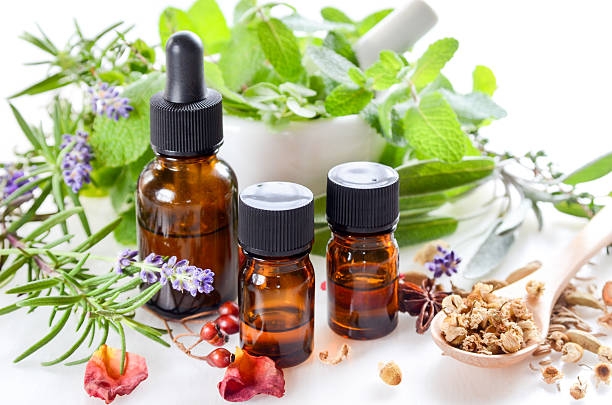
Essential Oils Market is becoming increasingly relevant to the beauty and personal care industry as manufacturers explore botanical ingredients for modern product formulations. Consumers are paying greater attention to product composition, fragrance, and ingredient transparency when selecting skincare, haircare, and body care products. This shift is encouraging cosmetic companies to develop formulations that incorporate naturally derived oils and plant-based extracts. Essential oils offer distinctive aromatic characteristics and are used in different product categories, including facial serums, body lotions, shampoos, conditioners, and bath products. Their versatility is creating opportunities for ingredient suppliers and cosmetic brands seeking to introduce differentiated consumer offerings.
The increasing interest in botanical beauty formulations is encouraging the use of plant-derived cosmetic ingredients and aromatic formulations. Consumers are exploring products featuring recognizable botanical components and distinctive fragrance combinations. Essential oils such as rose, geranium, tea tree, rosemary, and lavender are being incorporated into different personal care formulations. Cosmetic manufacturers are also experimenting with combinations of botanical oils and complementary ingredients to create specialized product ranges. This development is encouraging suppliers to maintain consistent quality, provide ingredient information, and support manufacturers with suitable formulations that meet their production requirements.
Skincare innovation is creating opportunities for essential oil suppliers across premium and specialized beauty categories. Facial oils, moisturizers, cleansing products, body creams, and bath formulations frequently incorporate botanical ingredients to provide distinctive sensory experiences. Fragrance plays an important role in product selection, particularly when consumers are exploring products associated with relaxation, freshness, or luxurious self-care routines. Manufacturers are therefore developing different aromatic profiles to appeal to diverse customer preferences. However, cosmetic formulation requires careful attention to ingredient compatibility, concentration, and skin suitability. Appropriate testing and labeling practices remain important for ensuring that finished products meet relevant quality and safety expectations.
Haircare manufacturers are also exploring essential oils as ingredients in shampoos, conditioners, scalp products, and hair treatment formulations. Rosemary, peppermint, eucalyptus, and tea tree oils are among the botanical ingredients commonly featured in haircare products. These oils provide recognizable aromatic characteristics that can differentiate products in competitive retail categories. Brands are also introducing specialized formulations that combine botanical ingredients with other conditioning and cleansing components. The popularity of ingredient-focused beauty products is encouraging manufacturers to communicate formulation details more clearly. Product development must nevertheless consider appropriate usage levels, formulation stability, and applicable cosmetic regulations.
The clean beauty movement is influencing how brands position their products and communicate ingredient information. Consumers increasingly examine labels, sourcing practices, and product claims before purchasing personal care items. Essential oils provide manufacturers with opportunities to develop botanical-inspired collections and distinctive fragrance experiences. However, natural origin alone does not automatically establish product safety or effectiveness. Brands must provide accurate descriptions and avoid unsupported claims about cosmetic or therapeutic benefits. Responsible marketing, appropriate formulation practices, and transparent ingredient communication are important for maintaining consumer confidence. Companies that balance botanical positioning with credible product information can develop stronger relationships with increasingly informed beauty shoppers.
Packaging and product presentation are also influencing competition within the essential oils segment. Manufacturers are exploring compact bottles, dropper packaging, convenient dispensing formats, and attractive retail designs. Appropriate packaging can help protect sensitive ingredients from environmental exposure while improving consumer usability. Premium packaging is particularly relevant for specialized skincare collections and gift-oriented personal care products. Retailers are also using product bundles and complementary fragrance combinations to encourage customers to explore different varieties. These approaches provide opportunities for brands to strengthen product differentiation while creating more engaging shopping experiences across physical stores and digital channels.
E-commerce has expanded the accessibility of essential oil-based personal care products. Online retailers provide customers with opportunities to compare different formulations, examine ingredient lists, and explore product reviews. Beauty brands are also using social media, educational content, and digital campaigns to communicate their product positioning. Subscription models and customized product collections may further support customer engagement. Nevertheless, businesses must ensure that online product descriptions remain accurate and that customer expectations are managed responsibly. Reliable delivery, suitable packaging, and responsive customer support are equally important for creating a positive purchasing experience and encouraging repeat orders.
Looking ahead, the Essential Oils Market is expected to benefit from continued innovation across cosmetics, skincare, haircare, and personal care applications. Manufacturers will likely explore new botanical combinations, improved extraction techniques, and more efficient sourcing arrangements. Consumer interest in ingredient transparency and specialized beauty formulations will encourage further product development. Companies that maintain high quality standards and communicate responsibly can strengthen their market positions. Collaboration between botanical ingredient suppliers and cosmetic manufacturers will also remain important for introducing innovative formulations. These developments will help shape the role of essential oils within the evolving global beauty and personal care landscape.
FAQs
Q1. How are essential oils used in cosmetics?
They are incorporated into skincare, haircare, body care, and fragrance formulations.
Q2. Which essential oils are popular in beauty products?
Rose, lavender, rosemary, tea tree, peppermint, and geranium oils are commonly featured.
Q3. Why is ingredient transparency important in beauty products?
It helps consumers understand product composition and make informed purchasing decisions.

