


Understanding Different Materials for Modern Countertop Installation
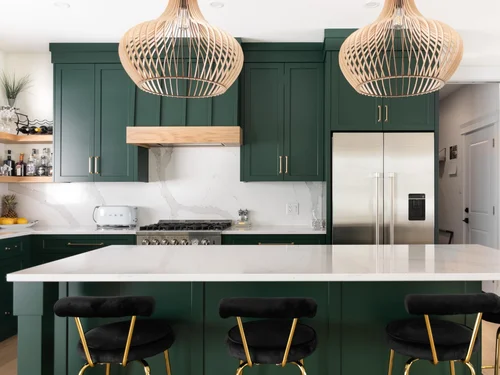
Choosing the right countertop material is an important part of creating a functional and attractive kitchen. Countertops serve as essential work surfaces for food preparation, cooking, cleaning, and everyday household activities. They also contribute significantly to the overall appearance of the kitchen. With several materials available, homeowners can select options that match their design preferences, maintenance expectations, and budget. Understanding the characteristics of different materials helps ensure a suitable choice for long-term use.
1. Granite: A Durable Natural Stone Option
Granite is one of the most popular materials used in residential kitchens. It is a natural stone known for its strength, distinctive patterns, and wide range of colours. Each granite slab has unique variations, allowing homeowners to create a kitchen with an individual appearance.
Granite offers good resistance to heat and everyday wear, making it suitable for frequently used cooking spaces. However, some granite surfaces require periodic sealing to reduce the risk of staining and moisture absorption. Professional measurements and careful handling are important during Countertop Installation because granite slabs are heavy and require proper support.
2. Quartz: A Low-Maintenance Surface
Quartz countertops are engineered surfaces manufactured using natural quartz particles combined with resins and pigments. They are available in numerous colours, patterns, and finishes, providing flexibility for different kitchen designs.
One of the main advantages of quartz is its non-porous structure, which helps resist stains and reduces the need for regular sealing. Its consistent appearance also makes it suitable for homeowners who prefer a uniform design.
3. Marble: An Elegant and Timeless Choice
Marble is widely appreciated for its natural veining and sophisticated appearance. Its distinctive patterns can add elegance to both traditional and contemporary kitchen interiors.
Although marble creates an attractive visual effect, it is softer and more porous than several alternative countertop materials. It can be vulnerable to scratches, stains, and acidic substances such as lemon juice or vinegar.
4. Dekton: A Modern Ultracompact Surface
Dekton is an ultracompact material manufactured using a specialized process involving high pressure and temperature. It combines several raw materials to create a dense surface designed for demanding residential and commercial applications.
Its key characteristics include excellent resistance to heat, scratches, and stains. It is also available in various colours, textures, and patterns, making it suitable for different interior design preferences.
Proper fabrication and professional Countertop Installation are essential because improper handling can cause damage, particularly around edges and cutouts. Homeowners should also consider the material's initial cost when planning their renovation.
5. Solid Surface: Seamless Design Possibilities
Solid surface countertops are manufactured using a combination of acrylic or polyester resins and mineral fillers. They are available in different colours and can be shaped into various designs.
One of their major advantages is the ability to create seamless appearances. Integrated sinks and smooth transitions between countertop sections are possible with appropriate fabrication techniques.
6. Laminate: A Budget-Friendly Alternative
Laminate countertops are made by bonding decorative layers to a supporting material. They are available in a wide selection of colours, textures, and patterns, including designs that resemble natural stone and wood.
Their affordability makes them a practical option for homeowners working with limited renovation budgets. Laminate surfaces are also relatively easy to clean and maintain.
7. Concrete: Customizable and Contemporary
Concrete countertops offer a distinctive appearance that works particularly well in industrial, minimalist, and contemporary kitchen designs. They can be customized with different colours, textures, shapes, and embedded decorative elements.
Their solid construction provides durability, while custom fabrication allows homeowners to create unique countertop designs. However, concrete is naturally porous and generally requires sealing to prevent staining and moisture absorption. Its weight also means that cabinets must provide adequate structural support.
8. Factors to Consider When Choosing a Countertop Material
Before selecting a countertop material, homeowners should evaluate several important considerations:
Durability: Consider how well the material handles daily activities, scratches, and regular use.
Maintenance: Understand the cleaning requirements and whether periodic sealing is necessary.
Budget:Compare material costs, fabrication expenses, and professional labour charges.
Appearance: Choose colours, patterns, and finishes that complement the kitchen interior.
Installation requirements:Consider material weight, measurements, cabinet support, and fabrication complexity.
Final Thoughts
Selecting the right countertop material involves balancing appearance, durability, maintenance, and budget. Granite, quartz, marble, Dekton, solid surface, laminate, and concrete each offer different advantages and limitations. Careful material selection can improve kitchen functionality while creating an attractive and practical living space. By understanding the available options, homeowners can make informed decisions that support their everyday needs and long-term renovation goals.

