


Tapentadol 100mg Tablets – Understanding Benefits, Risks, and Side Effects
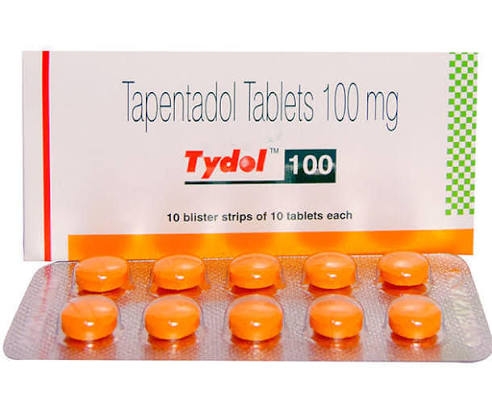
Tapentadol 100mg is a prescription opioid painkiller used in the management of moderate to severe pain when other pain-relief options may not provide sufficient relief. It works by affecting the way the brain and nervous system process pain signals. Although it can be effective for certain pain conditions, tapentadol requires careful medical supervision because it can cause side effects, tolerance, physical dependence, and potentially serious complications.
Understanding how tapentadol works, its potential benefits, possible risks, and important precautions can help patients make informed decisions about their treatment. This article provides general UK-focused medical information about tapentadol 100mg, including responsible use, interactions, and when to seek medical advice.
1. What Is Tapentadol 100mg?
Tapentadol is an opioid analgesic prescribed for certain types of moderate to severe pain. It is available in different formulations and strengths, depending on the patient's medical needs and the prescribing decision.
The 100mg strength should not be considered suitable for every patient. The appropriate formulation and dose depend on factors such as the severity of pain, previous opioid exposure, other medicines being taken, and individual health circumstances.
Tapentadol has a dual mechanism of action. It activates opioid receptors in the central nervous system and also inhibits noradrenaline reuptake. These actions help reduce the transmission and perception of pain signals.
Because Buy tapentadol 100 mg Online UK affects the central nervous system, it can also cause drowsiness, dizziness, impaired coordination, and respiratory depression. It should only be used under the direction of an appropriately qualified healthcare professional.
2. Medical Uses and Potential Benefits
Tapentadol may be prescribed when a healthcare professional determines that opioid treatment is appropriate for a patient's pain condition.
Potential benefits include:
-
Pain reduction: It can help relieve moderate to severe pain in appropriately selected patients.
-
Improved daily functioning: Effective pain control may make certain everyday activities easier.
-
Central pain relief: It works through the nervous system rather than simply acting at the site of an injury.
-
Alternative treatment option: Its dual mechanism provides another option when a clinician considers opioid treatment necessary.
However, the benefits vary between individuals. Some patients experience meaningful pain relief, while others may develop side effects that outweigh the benefits.
Treatment should therefore be reviewed regularly to establish whether it remains effective and appropriate.
3. How Tapentadol Works in the Body
Tapentadol affects two important pathways involved in pain regulation.
First, it activates mu-opioid receptors, reducing the transmission of pain signals through the central nervous system. This is the mechanism shared by several opioid medicines.
Second, it inhibits the reuptake of noradrenaline. Noradrenaline is a chemical messenger involved in the body's natural pain-control pathways. Increasing its availability can strengthen the nervous system's ability to regulate pain.
These combined effects explain why tapentadol may provide relief for certain painful conditions.
Nevertheless, the same nervous-system activity responsible for pain relief can also produce unwanted effects, particularly when the medicine is combined with other substances that cause sedation.
4. Common Side Effects of Tapentadol 100mg
Like other opioid medicines, tapentadol can cause unwanted effects. Their severity depends on individual sensitivity, the formulation prescribed, other medications, and the duration of treatment.
Commonly reported side effects include:
-
Nausea: Some patients experience feelings of sickness, particularly when starting treatment.
-
Vomiting: Digestive disturbances may occur during treatment.
-
Constipation: Opioids can slow the movement of the digestive system.
-
Dizziness: Patients may feel light-headed or unsteady.
-
Drowsiness: Tapentadol can cause sleepiness and reduced alertness.
-
Headaches: Some individuals experience headaches during treatment.
-
Dry mouth: Reduced saliva production can cause discomfort.
-
Increased sweating: Excessive sweating may occur in some patients.
Patients should discuss persistent or troublesome side effects with their prescriber. Medical professionals can assess whether treatment needs adjustment or whether an alternative pain-management approach would be more appropriate.
5. Serious Risks and Medical Warnings
Although many side effects are manageable, tapentadol can sometimes cause serious complications.
Respiratory depression
One of the most important risks is respiratory depression, which occurs when breathing becomes dangerously slow or shallow. Severe respiratory depression can result in unconsciousness, brain injury, or death.
Warning signs include:
-
Unusually slow or shallow breathing.
-
Extreme sleepiness or difficulty waking.
-
Confusion or reduced awareness.
-
Blue or grey lips and skin.
These symptoms require emergency medical assistance. In the UK, call 999 if an overdose or serious breathing problem is suspected.
Dependence and addiction
Repeated opioid use can lead to physical dependence and, in some individuals, opioid use disorder. Patients may develop tolerance, meaning that the same amount of medication gradually produces less pain relief.
Dependence is not necessarily the same as addiction, but both require appropriate medical attention.
Seizures
Tapentadol may increase the risk of seizures, particularly in people with certain medical conditions or those taking medicines that lower the seizure threshold.
Allergic reactions
Although uncommon, serious allergic reactions can occur. Swelling of the face, tongue, or throat, difficulty breathing, or a severe skin reaction requires immediate medical attention.
6. Drug Interactions and Medicines to Avoid
Tapentadol can interact with several prescription medicines, non-prescription products, and other substances. These interactions may increase side effects or create serious health risks.
Important examples include:
-
Benzodiazepines: Medicines such as diazepam and alprazolam can increase sedation and respiratory depression.
-
Other opioids: Combining opioid painkillers can increase the risk of overdose.
-
Alcohol: Alcohol can intensify drowsiness and dangerous breathing problems.
-
Gabapentin and pregabalin: These medicines can increase the risk of respiratory depression when combined with opioids.
-
Antidepressants: Certain antidepressants may increase the risk of serotonin syndrome or seizures.
-
Sedating antihistamines: Some allergy medicines can increase sleepiness and impaired coordination.
Patients should provide their doctor or pharmacist with a complete list of medicines and supplements they use. They should not start, stop, or combine treatments without professional advice.
7. Dosage Considerations and Responsible Use
Tapentadol 100mg is not a universally appropriate starting strength. Prescribing decisions depend on the patient's pain condition, previous opioid treatment, general health, and the particular formulation.
Immediate-release and prolonged-release products have different dosing instructions and should not be treated as interchangeable.
Patients should follow the prescription label and the instructions supplied with their specific medicine. They should never increase the amount, take additional doses, or change the timing without consulting their prescriber.
For prolonged-release tablets, swallowing instructions are particularly important. These tablets generally need to be swallowed whole rather than crushed, chewed, or broken because altering them can interfere with their controlled-release mechanism.
Treatment should continue only for as long as the prescriber considers it necessary. Regular reviews help determine whether the medicine is providing sufficient benefit and whether its risks remain acceptable.
8. Who Should Avoid Tapentadol or Use It With Caution?
Tapentadol may not be suitable for everyone. Certain medical conditions can increase the likelihood of complications.
Extra caution or alternative treatment may be necessary for people with:
-
Severe breathing difficulties or respiratory disorders.
-
Severe liver impairment.
-
A history of seizures.
-
Previous opioid dependence or substance-use problems.
-
Certain gastrointestinal conditions, including paralytic ileus.
-
A history of serious allergic reactions to opioid medicines.
Pregnant or breastfeeding patients should seek specialist medical advice before using tapentadol. Opioid exposure during pregnancy can create risks for the unborn baby, including withdrawal symptoms in newborns.
Older adults may also require closer monitoring because age-related changes in kidney and liver function can affect medication handling.
9. Dependence, Withdrawal, and Stopping Treatment
Physical dependence can develop even when tapentadol is taken according to medical instructions. This means that suddenly stopping treatment may produce withdrawal symptoms.
Possible withdrawal symptoms include:
-
Anxiety and restlessness.
-
Difficulty sleeping.
-
Sweating and shaking.
-
Nausea and vomiting.
-
Diarrhoea and abdominal discomfort.
-
Increased heart rate.
-
Muscle aches and irritability.
Patients who have used tapentadol regularly should not stop suddenly without medical advice. A healthcare professional can develop an individualised reduction plan to minimise withdrawal symptoms.
Anyone concerned about increasing medication use, cravings, or difficulty controlling consumption should speak honestly with their healthcare professional.
10. Safe Storage and Overdose Prevention
Tapentadol should be stored securely, away from children, pets, and anyone for whom it has not been prescribed.
Important precautions include:
-
Keep the medicine in its original packaging.
-
Follow the storage instructions on the product leaflet.
-
Never share prescription medication.
-
Avoid combining tapentadol with alcohol or recreational drugs.
-
Keep track of medication use to prevent accidental additional doses.
-
Dispose of unwanted medication through a pharmacy.
An overdose may cause extreme drowsiness, pinpoint pupils, unconsciousness, and dangerously slow breathing. Emergency medical assistance is essential if an overdose is suspected. Do not wait for symptoms to become severe.
11. Frequently Asked Questions About Tapentadol 100mg
Is tapentadol 100mg a strong painkiller?
Yes. Tapentadol is a strong opioid analgesic prescribed for certain moderate to severe pain conditions. Its suitability depends on individual medical circumstances.
Can tapentadol cause sleepiness?
Yes. Drowsiness, dizziness, and reduced alertness are recognised side effects. Patients should avoid driving or operating machinery if affected.
Can tapentadol cause addiction?
Yes. Repeated use can lead to tolerance, physical dependence, and opioid use disorder. Medical supervision helps identify and manage these risks.
Can tapentadol be taken with alcohol?
No. Alcohol can increase the sedative effects of tapentadol and raise the risk of dangerous respiratory depression, coma, and death.
Does tapentadol require a prescription in the UK?
Yes. Tapentadol is a prescription-only opioid medicine in the UK. It should only be obtained through legitimate, regulated healthcare and pharmacy services following an appropriate prescription.
12. Conclusion
Tapentadol 100mg can be an effective treatment option for selected patients experiencing severe pain that requires opioid medication. Its dual mechanism of action provides pain-relieving benefits, but these must be balanced against possible side effects and serious risks.
Understanding its effects, interactions, dosage instructions, and potential for dependence is essential for responsible treatment. Patients should follow their prescriber's instructions, attend regular medical reviews, and report unexpected symptoms promptly.
The most appropriate approach is to use the lowest effective prescribed treatment for the shortest clinically necessary period, with a clear plan for reviewing and eventually ending opioid therapy.
Tapentadol should never be used without a valid prescription or shared with another person. Safe treatment depends on professional guidance, informed decisions, and careful monitoring.

