


Building Future-Ready Manufacturing Units with Smart Factory IoT Solutions
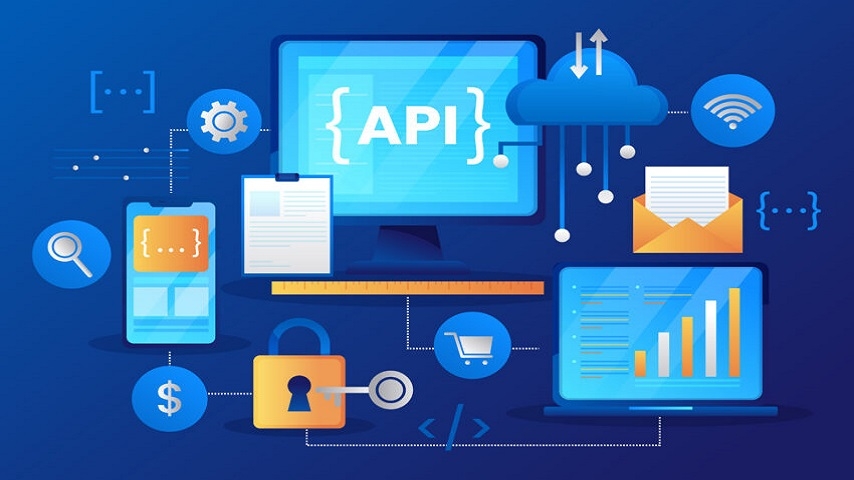
The manufacturing sector is undergoing a profound transformation. Traditional production models are being replaced by interconnected, data-driven ecosystems where machines, systems, and people communicate seamlessly. At the center of this shift lies Smart Factory IoT solutions — technologies that enable real-time monitoring, predictive insights, and automation at scale.
Building a future-ready manufacturing unit today is not just about upgrading machinery. It’s about creating an intelligent, responsive, and scalable production environment powered by IoT (Internet of Things).
What Are Smart Factory IoT Solutions?
Smart Factory IoT solutions integrate sensors, connected devices, cloud platforms, and analytics software to collect and analyze production data in real time. These systems enable:
- Machine performance tracking
- Predictive maintenance
- Real-time quality monitoring
- Energy consumption optimization
- Remote asset management
- Supply chain visibility
The goal is simple: transform raw production data into actionable intelligence.
Why Future-Ready Manufacturing Requires IoT
Modern manufacturing faces multiple challenges:
- Rising operational costs
- Increasing demand for customization
- Strict quality standards
- Supply chain disruptions
- Energy efficiency regulations
Smart Factory IoT solutions address these challenges by enabling proactive decision-making instead of reactive troubleshooting.
Future-ready facilities are:
- Digitally connected
- Data-driven
- Scalable
- Secure
- Highly automated
Key Components of a Smart Factory IoT Ecosystem
1. Industrial Sensors and Devices
Sensors collect data related to:
- Temperature
- Vibration
- Pressure
- Speed
- Power consumption
- Product dimensions
These devices form the foundation of any IoT-enabled system.
2. Connectivity Infrastructure
Reliable communication networks are essential. This includes:
- Industrial Ethernet
- Wi-Fi 6
- 5G connectivity
- Edge gateways
Stable connectivity ensures real-time data transmission without production delays.
3. Edge Computing
Edge devices process data locally before sending it to the cloud. This reduces latency and enables:
- Faster decision-making
- Real-time alarms
- Immediate system adjustments
4. Cloud Platforms and Data Analytics
Cloud-based systems store and analyze massive volumes of production data. Advanced analytics and AI algorithms help identify:
- Production bottlenecks
- Maintenance patterns
- Quality deviations
- Energy inefficiencies
5. Integration with Existing Systems
Smart IoT systems integrate with:
- PLCs
- SCADA systems
- MES platforms
- ERP software
Seamless integration ensures centralized monitoring and control.
Benefits of Smart Factory IoT Solutions
1. Predictive Maintenance
IoT sensors detect early signs of equipment failure. Instead of waiting for breakdowns, maintenance teams can act proactively, reducing downtime and repair costs.
2. Improved Product Quality
Real-time monitoring ensures immediate detection of quality deviations. This reduces rejection rates and enhances customer satisfaction.
3. Higher Operational Efficiency
Connected systems eliminate manual data entry and reduce human errors. Automated workflows increase production speed and accuracy.
4. Energy Optimization
Smart energy monitoring systems identify areas of excessive consumption. Manufacturers can optimize power usage, lowering operational expenses and supporting sustainability goals.
5. Enhanced Safety
IoT-enabled monitoring detects hazardous conditions such as overheating, abnormal vibrations, or gas leaks, improving workplace safety.
Steps to Build a Future-Ready Manufacturing Unit
Step 1: Conduct a Digital Readiness Assessment
Evaluate your current infrastructure:
- Equipment compatibility
- Network capacity
- Data management practices
- Security protocols
Identify gaps before implementing IoT solutions.
Step 2: Define Clear Objectives
Determine measurable goals such as:
- Reduce downtime by 20%
- Improve overall equipment effectiveness (OEE)
- Lower energy consumption
- Minimize defect rates
Clear goals ensure focused implementation.
Step 3: Start with Pilot Projects
Instead of full-scale deployment, begin with a pilot line or specific process. Test performance, measure ROI, and refine the system before scaling.
Step 4: Prioritize Cybersecurity
As manufacturing units become interconnected, cybersecurity becomes critical. Implement:
- Encrypted communication
- Network segmentation
- Regular vulnerability assessments
- Access control systems
Security must be built into the system from the start.
Step 5: Invest in Workforce Training
Technology alone cannot build a smart factory. Employees must understand:
- Data interpretation
- Digital dashboards
- Predictive maintenance tools
- Automation systems
A skilled workforce maximizes the value of IoT investments.
Challenges to Consider
While IoT offers immense benefits, manufacturers must address:
- High initial investment
- Integration complexity
- Data overload
- Legacy system compatibility
- Skill gaps
Strategic planning and experienced implementation partners can overcome these obstacles.
The Role of Industry 4.0 in Future Manufacturing
Smart Factory IoT solutions are a cornerstone of Industry 4.0 — the fourth industrial revolution characterized by automation, AI, and digital connectivity.
Industry 4.0 enables:
- Smart robotics
- Autonomous systems
- Digital twins
- Advanced analytics
- Intelligent supply chains
Manufacturers who embrace this transformation gain a competitive edge in productivity, flexibility, and innovation.
Long-Term Business Impact
Future-ready manufacturing units experience:
- Reduced downtime
- Increased production capacity
- Faster time-to-market
- Lower operational risks
- Stronger market competitiveness
IoT-driven facilities are not just technologically advanced — they are resilient, adaptable, and growth-oriented.
Final Thoughts
Building future-ready manufacturing units with Smart Factory IoT solutions is no longer optional — it is essential for long-term sustainability and competitiveness.
By combining connected devices, real-time analytics, predictive intelligence, and secure integration, manufacturers can transform traditional production lines into intelligent ecosystems.
The Future of Industry 4.0 Implementation through Industrial IoT and Robotics & Automation
Digitization Solutions: How They Reduce Costs, Improve Efficiency, and Enhance Security

