


The Role of AWOS in Airport Operational Efficiency
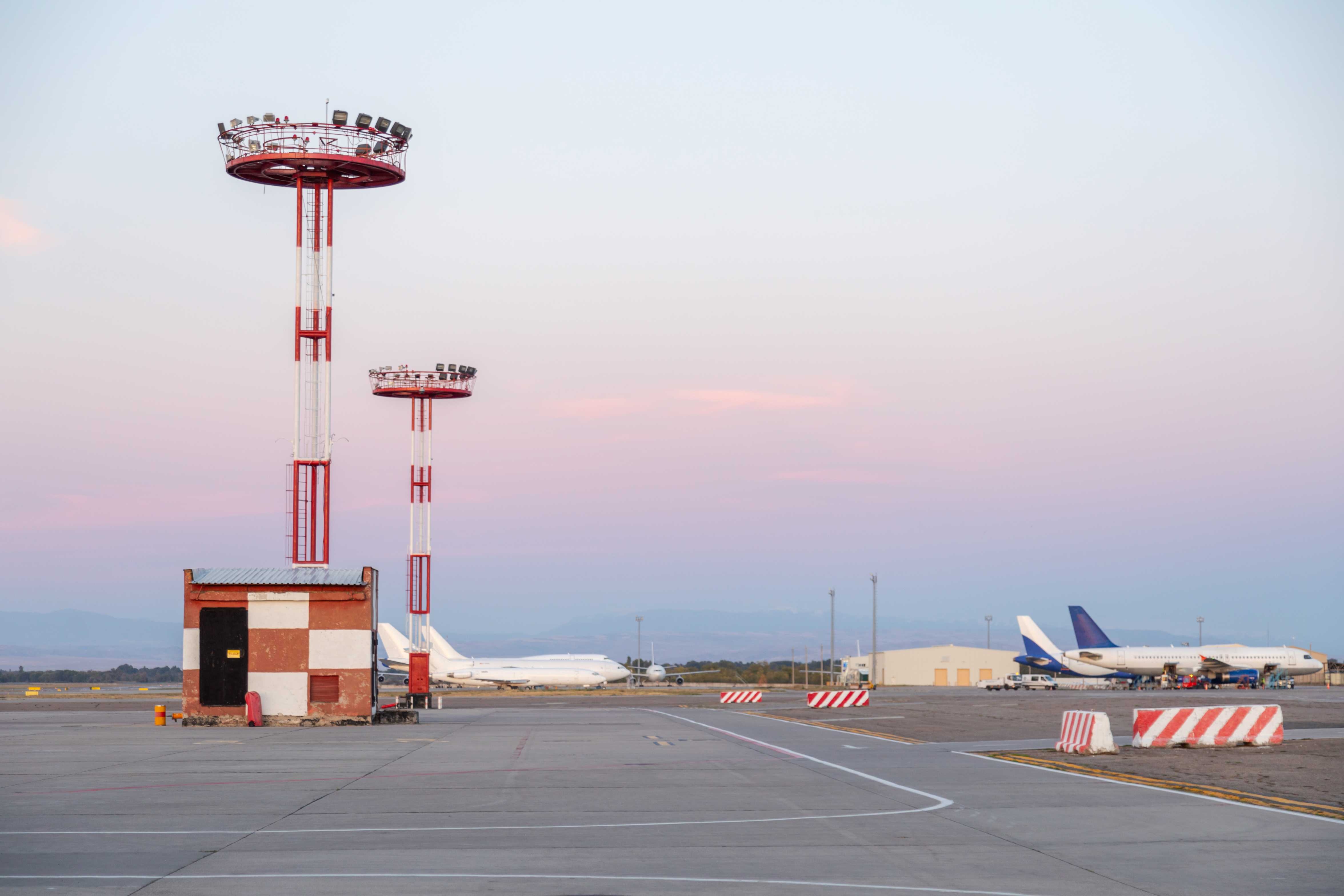
Managing a modern commercial airport involves balancing thousands of moving parts. Baggage handlers, fuel trucks, and flight crews must execute their duties with absolute precision to keep flights on schedule. Yet, despite all this careful planning, a single fog bank can completely disrupt an entire day of operations. Weather remains the most unpredictable variable in the aviation industry.
When severe storms or low visibility conditions strike, airport efficiency plummets. Incoming flights enter holding patterns, ground crews halt their work, and departure queues stretch for hours. To combat these costly disruptions, aviation managers rely on advanced meteorological technology to stay one step ahead of the elements.
The foundation of this technological defense is a network of highly calibrated sensors placed strategically around the airfield. These Automated Weather Observing Systems continuously monitor the local atmosphere, instantly detecting shifts in wind, visibility, and barometric pressure. By transmitting this exact data to the control tower, these platforms eliminate the dangerous lag time associated with manual weather reporting.
This article explores how this critical hardware directly improves the daily efficiency of airport operations. We will examine how continuous data streams reduce costly flight delays, optimize runway configurations, and guarantee passenger safety during severe weather events.
The Financial Impact of Weather on Aviation
Weather-related delays cost the global aviation industry billions of dollars every single year. When airplanes sit idle on the tarmac or burn fuel flying in circles, airlines lose money rapidly. Airports also suffer financially when delayed flights cause terminal congestion and missed connection cascades.
The True Cost of Flight Delays
Every minute a commercial jet spends delayed on the ground represents a measurable financial loss. Airlines must pay crews for extra time, compensate passengers for missed connections, and handle the logistical nightmare of rescheduling. When an airport shuts down entirely due to unexpected weather, the financial shockwave ripples across the entire national airspace system.
Fuel Efficiency and Holding Patterns
Aircraft burn thousands of gallons of jet fuel every hour they remain airborne. When unexpected fog forces an airport to slow its arrival rate, approaching aircraft must enter holding patterns. They circle the airport, burning expensive fuel while waiting for clearance to land. Accurate, real-time weather tracking helps dispatchers and controllers predict these slowdowns, allowing pilots to adjust their cruising speeds hours in advance to save fuel.
How Real-Time Data Transforms Operations
Before the widespread adoption of automated sensor networks, human weather observers had to manually read instruments and type out reports. This manual process meant weather data was often twenty to thirty minutes old by the time it reached the pilots. In aviation, twenty minutes is an eternity.
Continuous Monitoring and Reporting
Modern automated platforms completely eliminate this dangerous delay. The sensors record atmospheric changes second by second, updating their internal databases continuously. If a sudden gust front approaches the airfield, the system registers the wind shift immediately. This continuous monitoring ensures the control tower never bases critical decisions on stale or outdated information.
Eliminating Human Error and Guesswork
Human observers can easily misjudge the exact height of a cloud ceiling or the precise distance of horizontal visibility. Automated sensors do not rely on human eyesight. They use precision lasers and forward-scatter technology to calculate these metrics with absolute mathematical certainty. This objective data allows airport managers to operate right up to the legal safety margins without crossing the line into dangerous territory.
Optimizing Flight Operations and Runway Usage
Airports possess a finite amount of concrete. Maximizing the number of aircraft that can safely take off and land on these runways dictates the facility's overall efficiency. Weather data plays a crucial role in deciding exactly how an airport utilizes its available pavement.
Dynamic Runway Configuration
Airplanes require headwinds to generate lift efficiently during takeoff and landing. Because wind direction changes throughout the day, controllers must periodically change which runways they use. Automated weather platforms allow supervisors to spot developing wind trends early. By anticipating a major wind shift, they can smoothly transition the runway configuration without causing a massive gap in the arrival sequence.
Maximizing Airspace Capacity
During clear weather, airports can handle a maximum number of flights per hour. When clouds roll in, visual separation between aircraft becomes impossible, and controllers must increase the distance between planes. Accurate weather data allows controllers to pinpoint exactly when visual conditions will return. They can begin sequencing tighter arrival formations the exact minute the weather clears, instantly boosting the airport's hourly capacity.
Enhancing Safety Without Sacrificing Speed
Speed and efficiency mean absolutely nothing if an airport cannot guarantee the safety of its passengers. The primary goal of any aviation facility is to move people quickly without ever compromising their physical well-being. Automated weather platforms provide the intelligence needed to balance these two competing priorities.
Precision During Low Visibility
Landing a heavy jet in thick fog requires incredible precision from both the pilot and the ground equipment. Automated platforms calculate the exact Runway Visual Range (RVR) using optical sensors placed directly next to the touchdown zone. If the RVR drops below the legal minimum for a specific aircraft, the system alerts the tower instantly. This prevents pilots from attempting dangerous blind landings while allowing appropriately equipped aircraft to continue their approaches safely.
Mitigating Sudden Wind Shifts
A sudden microburst or severe wind shear can cause an aircraft to lose lift on short final approach. Automated systems utilize a dense network of anemometers to detect these invisible threats before they strike arriving aircraft. When the system detects a dangerous wind shear event, alarms sound in the control tower. Controllers immediately halt arrivals, preventing a potential catastrophe while keeping the rest of the airport running smoothly.
Streamlining Communication and Workflows
Air traffic controllers manage an incredible amount of radio traffic. Communicating routine weather updates to every single aircraft would completely overwhelm their available bandwidth. Automated systems solve this communication bottleneck through seamless digital integration.
Automated Broadcasts for Pilots
The weather platform synthesizes its current data into a computerized voice broadcast. This broadcast loops continuously on a dedicated radio frequency. Pilots tune into this specific frequency to copy the local weather conditions before they ever establish contact with the control tower. This system ensures every flight crew has the exact same baseline information regarding winds, visibility, and active runways.
Freeing Up Controller Bandwidth
Because pilots gather the weather data independently, controllers do not have to waste valuable radio time reciting barometric pressure and wind speeds. They can dedicate their full attention to issuing flight clearances, providing radar vectors, and maintaining safe separation between aircraft. Streamlining this workflow reduces controller fatigue and significantly increases the overall efficiency of the airspace.
Digital Data Link Integration
The latest iteration of this technology bypasses voice radios entirely. Modern automated platforms can transmit weather updates directly to an aircraft's onboard flight management computer. Pilots receive these digital text messages instantly on their cockpit displays. This silent communication protocol further reduces radio congestion and represents the future of efficient air traffic management.
Conclusion
Automated weather technology serves as the unsung hero of airport operational efficiency. By replacing manual observations with continuous, precise data streams, these systems allow aviation professionals to make highly accurate decisions under extreme pressure. They minimize costly delays, optimize runway usage, and maintain an uncompromising standard of safety for millions of global travelers.
If you want to understand how this technology impacts your local facility, look up the automated weather reports for your nearest commercial airport online. Reviewing these raw data feeds gives you a profound appreciation for the complex meteorological chess match happening behind the scenes. The next time your flight departs perfectly on schedule during a cloudy day, you can thank the silent sensors standing guard beside the runway.

