


Important Health Checkups Every Pregnant Woman Should Consider
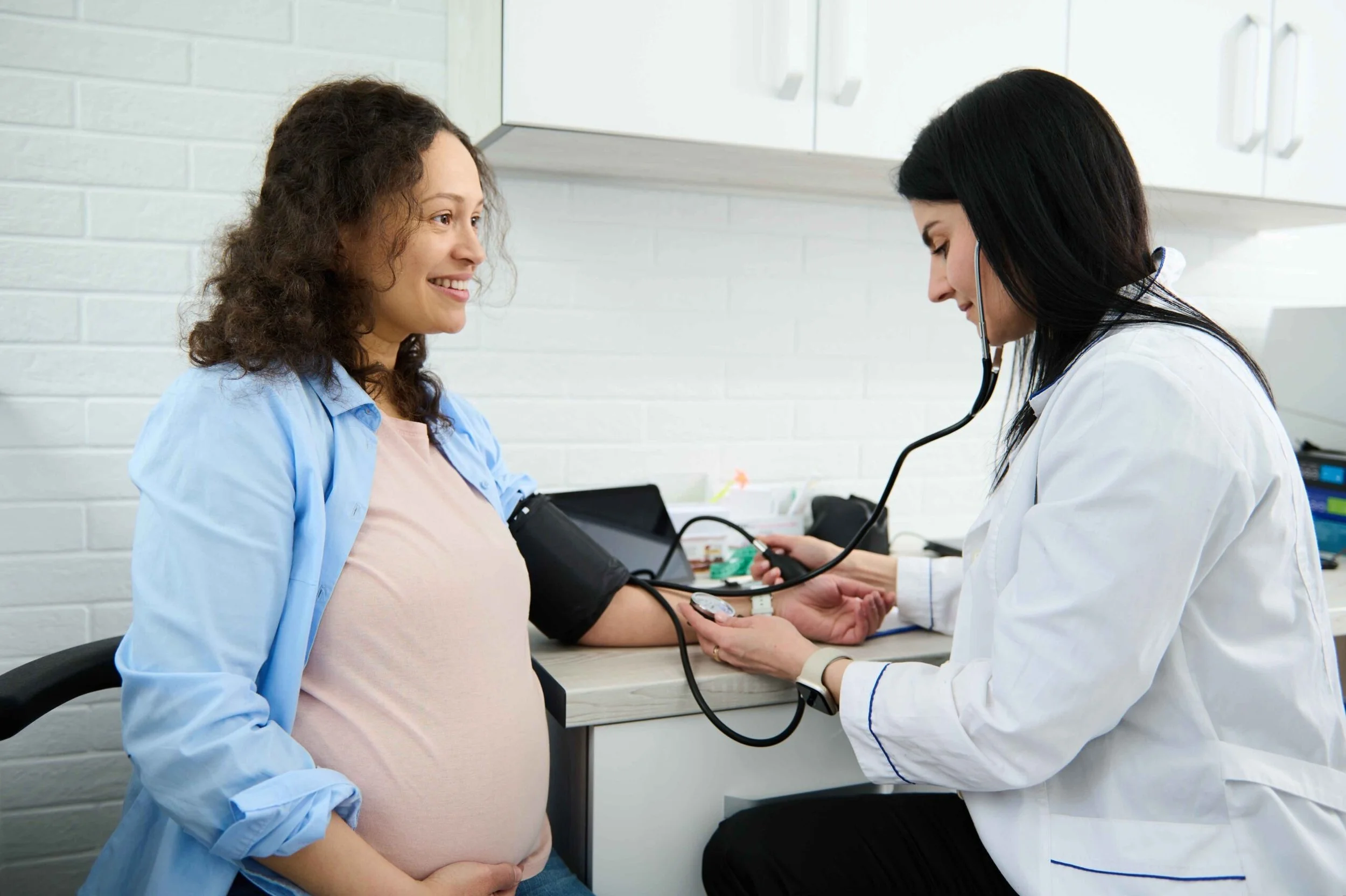
Pregnancy is a special phase, but it also comes with responsibilities. Taking care of your health is not just about eating well or resting—it also means staying consistent with medical checkups. These checkups help doctors track your baby’s development and identify any risks early, ensuring a smoother and safer pregnancy journey.
Every pregnancy is different, which is why doctors recommend a structured schedule of health checkups. Some tests are routine, while others are suggested based on your medical history or risk factors. Understanding these checkups can help you stay informed and confident throughout your pregnancy.
Why Regular Health Checkups Matter
Regular prenatal checkups are the backbone of a healthy pregnancy. They help in:
-
Monitoring the baby’s growth and development
-
Identifying complications early
-
Managing maternal health conditions
-
Planning timely interventions if required
Skipping or delaying these checkups can lead to missed warning signs. Early detection always gives better outcomes, both for the mother and the baby.
First Trimester Checkups (Weeks 1–12)
The first trimester is when your baby’s organs begin to form. Early checkups during this phase are extremely important.
1. Initial Consultation and Medical History
Your doctor will begin with a detailed discussion about:
-
Your medical history
-
Previous pregnancies (if any)
-
Lifestyle habits
-
Family health history
This helps in identifying any risk factors right from the start.
2. Blood Tests
Early blood tests are done to check:
-
Hemoglobin levels (for anemia)
-
Blood group and Rh factor
-
Thyroid function
-
Infections like HIV, hepatitis B, and syphilis
These tests ensure that your body is prepared to support a healthy pregnancy.
3. Early Ultrasound
This scan confirms:
-
Pregnancy location
-
Baby’s heartbeat
-
Due date
It also rules out complications like ectopic pregnancy.
4. NT Scan and Screening Tests
Between 11 and 14 weeks, doctors recommend a nuchal translucency scan along with blood tests. These help assess the risk of chromosomal abnormalities like Down syndrome.
Second Trimester Checkups (Weeks 13–27)
This phase focuses more on detailed development and structural assessment of the baby.
1. Anomaly Scan (Level 2 Ultrasound)
This is one of the most important scans, usually done between 18 and 22 weeks.
It checks:
-
Brain and spine development
-
Heart structure
-
Kidneys and organs
-
Limbs and facial features
This scan helps detect structural abnormalities early.
2. Glucose Screening Test
Gestational diabetes is common during pregnancy and can affect both mother and baby.
This test helps:
-
Detect high blood sugar levels
-
Prevent complications like high birth weight
-
Manage diet and medication if needed
3. Regular Blood Pressure Monitoring
High blood pressure can lead to conditions like preeclampsia.
Regular monitoring ensures:
-
Early detection
-
Timely management
-
Reduced risk during delivery
Third Trimester Checkups (Weeks 28–40)
The final stage focuses on preparing for delivery and ensuring the baby is growing well.
1. Growth Scans
These scans track:
-
Baby’s weight
-
Amniotic fluid levels
-
Placenta health
They help ensure that the baby is developing properly.
2. Fetal Movement Monitoring
Doctors may ask you to track your baby’s movements daily. Reduced movement can be an early warning sign that needs attention.
3. Non-Stress Test (NST)
This test monitors the baby’s heart rate and oxygen levels. It is usually recommended in high-risk pregnancies or when there are concerns about fetal well-being.
Special Diagnostic Tests in Certain Cases
Not every pregnancy requires advanced diagnostic tests. However, in some situations, doctors may recommend additional procedures.
1. Amniocentesis
The Amniocentesis Test in Chandigarh is a diagnostic procedure used to confirm genetic conditions. It involves collecting a small sample of amniotic fluid to analyze fetal chromosomes.
This test is usually recommended if:
-
Screening results show high risk
-
The mother is above 35 years
-
There is a family history of genetic disorders
It provides accurate results but is suggested only when necessary.
2. Understanding the Cost Factor
Many parents also consider the Amniocentesis Test cost in Chandigarh before opting for it. The cost can vary depending on the clinic and complexity of the procedure. While it may seem expensive, it is important to weigh the value of accurate diagnosis and early decision-making.
How These Checkups Help Prevent Complications
Regular health checkups during pregnancy help in:
1. Early Detection of Problems
Conditions like anemia, diabetes, or infections can be managed easily if detected early.
2. Monitoring Baby’s Development
Doctors can track whether the baby is growing at a healthy pace and intervene if needed.
3. Reducing Delivery Risks
By identifying issues early, doctors can plan safer delivery methods and avoid emergencies.
4. Better Maternal Health Management
Pregnancy can affect the mother’s body in many ways. Regular checkups ensure that the mother remains healthy throughout.
Emotional Benefits of Regular Checkups
Pregnancy is not just a physical journey but an emotional one too.
Regular checkups help:
-
Reduce anxiety
-
Build confidence
-
Strengthen trust with your doctor
-
Keep you informed at every stage
Seeing your baby grow through scans also creates a strong emotional connection.
Tips for Staying Consistent with Checkups
To make the most of your prenatal care:
-
Follow your doctor’s schedule strictly
-
Keep all medical reports organized
-
Maintain a healthy lifestyle
-
Ask questions whenever you feel unsure
Consistency is key to a safe and smooth pregnancy.
Common Myths About Pregnancy Checkups
Myth 1: Only High-Risk Pregnancies Need Regular Tests
Every pregnancy requires monitoring, regardless of risk level.
Myth 2: Too Many Tests Are Harmful
Most tests, especially ultrasounds and blood tests, are safe.
Myth 3: Skipping One Checkup Doesn’t Matter
Each checkup is scheduled for a reason. Missing one can delay important findings.
Final Thoughts
Pregnancy is a journey that requires care, awareness, and timely medical attention. Health checkups are not just routine—they are essential steps that ensure both mother and baby stay safe and healthy.
From early blood tests to detailed scans and, when needed, advanced procedures like amniocentesis, every test plays a specific role. Understanding these checkups helps you stay prepared and make informed decisions.
By staying consistent with your medical visits and following your doctor’s advice, you can ensure a positive pregnancy experience and a healthy start for your baby.

