


Garment Durability: Why Handmade Clothes Lose Shape
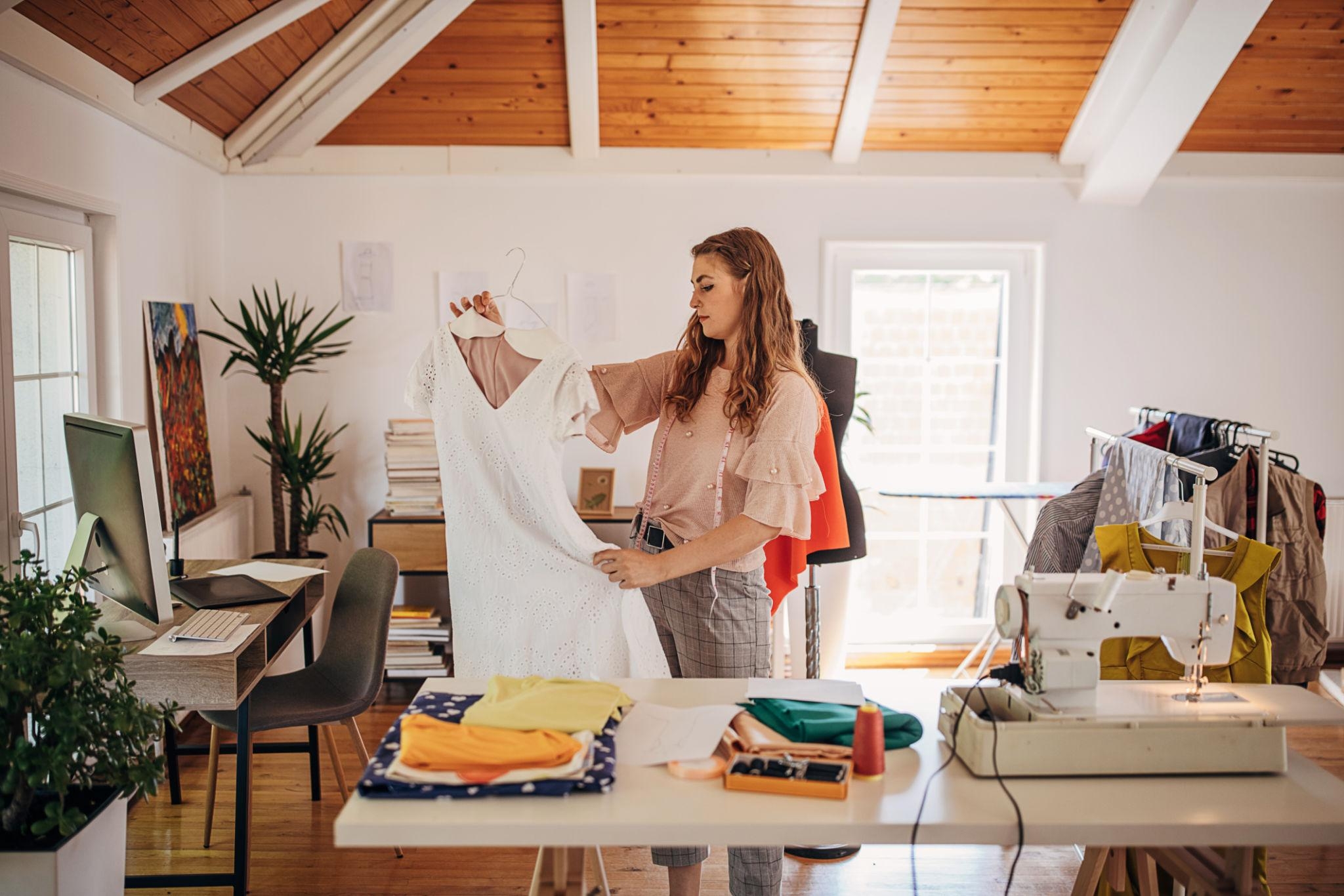
Why Some Handmade Garments Lose Their Shape Too Soon and How to Make Them Last
Introduction
Creating handmade clothing takes time, skill, and attention to detail. A finished garment may look beautifully sewn, but appearance alone does not guarantee that it will last. Some handmade garments begin to stretch, twist, or lose their shape after only a few wears or washes, leaving makers wondering what went wrong.
In most cases, the problem is not caused by a single mistake. Garment durability depends on several factors working together, including fabric selection, sewing techniques, thread quality, seam construction, and proper finishing. Even experienced sewists can reduce a garment's lifespan if one of these elements is overlooked during the sewing process.
Building garment durability starts long before the first stitch is sewn. Choosing the right fabric for the project, preparing it correctly, and using construction methods that support long-term wear all contribute to clothing that remains comfortable and retains its original shape.
This guide explains why some handmade garments lose their shape too soon, what influences garment durability, and the practical steps you can take to create clothing that stays strong, comfortable, and wearable for years.
Quick Summary
Strong, long-lasting handmade clothing is the result of thoughtful planning rather than appearance alone. Garment durability is influenced by fabric quality, construction techniques, stitch selection, seam strength, and ongoing fabric care. Selecting durable materials, reinforcing high-stress areas, and following proper sewing practices can significantly improve how well a garment performs over time.
Whether you are sewing everyday clothing or special garments, understanding the factors that improve garment durability helps reduce premature wear, maintain shape after repeated washing, and extend the overall lifespan of your finished projects. Throughout this guide, you'll learn practical techniques that improve garment durability without making the sewing process more complicated.
What Really Determines Garment Durability?
Many people assume that thick fabric automatically creates stronger clothing. While fabric weight can influence performance, it is only one part of the equation. Garment durability depends on the quality of the fabric, the way it is constructed, and how well it matches the purpose of the garment.
A durable garment combines strong materials with careful sewing techniques. When fabric, thread, seams, and finishing work together, the finished piece is more likely to keep its shape after repeated wear and washing.
Fabric Quality Matters More Than Fabric Weight
Heavy fabrics often feel stronger, but they are not always the most durable option. Fiber type, weave structure, and fabric construction have a much greater influence on long-term performance than thickness alone.
For example, a tightly woven cotton twill may last longer than a loosely woven heavyweight fabric because it resists stretching and abrasion more effectively. Similarly, some lightweight synthetic performance fabrics offer excellent durability due to their fiber strength and recovery.
When selecting fabric, consider:
-
Fiber content and fabric strength.
-
Weave or knit construction.
-
Fabric stability during use.
-
Stretch recovery after repeated wear.
-
Suitability for the intended garment.
Choosing the right fabric for the project is one of the simplest ways to improve clothing longevity.
Why Beautiful Sewing Doesn't Always Mean Durable Sewing
A garment may look professionally sewn on the outside while containing hidden weaknesses that reduce its lifespan.
Neat topstitching and straight seams improve appearance, but durability depends on what happens beneath the surface. Incorrect seam allowances, weak stitch selection, or poor thread quality can allow seams to stretch, distort, or fail over time.
Strong construction focuses on:
-
Consistent seam allowances.
-
Appropriate stitch length.
-
Good thread quality.
-
Reinforced stress points.
-
Proper seam finishes.
These details help create garments that remain comfortable and structurally sound after frequent use.
Common Reasons Handmade Garments Wear Out Too Quickly
Even well-designed sewing projects can wear out sooner than expected if important preparation or construction steps are overlooked.
Choosing Fabric That Doesn't Match the Project
Every fabric behaves differently. Lightweight fabrics may work well for blouses but perform poorly when used for trousers or workwear. Likewise, fabrics with excessive stretch may lose their shape if they are not suitable for the intended design.
Matching fabric performance to the garment's purpose helps reduce stretching, distortion, and premature wear.
Weak Seams and Incorrect Stitch Selection
Seams experience constant movement during everyday wear. Using the wrong stitch type or insufficient seam allowance can reduce seam durability and increase the likelihood of splitting.
Selecting the correct stitch for woven or stretch fabrics helps distribute stress more evenly across the garment.
Skipping Fabric Prewashing
Many natural fabrics shrink after their first wash. Sewing without prewashing may result in uneven shrinkage, twisted seams, or changes in garment shape.
Prewashing also removes manufacturing finishes and allows the fabric to stabilize before cutting and sewing.
Poor Thread Quality
High-quality fabric deserves equally reliable thread. Weak or unsuitable thread may break before the fabric itself, causing seam failure even when construction appears correct.
Choose thread that matches both the fabric type and the expected use of the finished garment.
Ignoring Stress Points During Construction
Certain parts of a garment receive greater strain during movement, including shoulders, underarms, crotch seams, pocket openings, and sleeve attachments.
Reinforcing these high-stress areas with appropriate sewing techniques helps prevent tearing and extends the garment's usable life. Small construction improvements made during sewing often have a significant impact on long-term durability.
How Fabric Choice Affects Long-Term Garment Performance
The fabric you choose has a direct impact on how well a handmade garment performs over time. Beyond appearance, fabric influences comfort, shape retention, resistance to wear, and ease of care. Selecting the right material for your project is one of the most effective ways to increase the lifespan of your clothing.
Natural vs. Synthetic Fibers
Natural fibers such as cotton, linen, and wool are valued for their comfort and breathability. However, each behaves differently. Linen offers excellent strength but wrinkles easily, while cotton can shrink if it is not prewashed before sewing.
Synthetic fibers like polyester and nylon generally provide greater resistance to abrasion and stretching. Many modern fabrics blend natural and synthetic fibers to combine comfort with improved durability and easier maintenance.
Stretch Fabrics vs. Woven Fabrics
Stretch fabrics provide flexibility and comfort but require construction techniques that allow the fabric to recover after movement. Without suitable stitches and seam finishes, stretch garments may become loose or distorted.
Woven fabrics are usually more stable and maintain their shape well, making them suitable for structured garments such as shirts, trousers, and jackets. Choosing the appropriate fabric type depends on the intended use of the finished garment.
Fabric Recovery After Repeated Wear
Some fabrics quickly return to their original shape after stretching, while others remain distorted. Fabrics with good recovery maintain a neat appearance even after frequent use, reducing sagging at the knees, elbows, and neckline.
Testing recovery before sewing can help you predict how the garment will perform during everyday wear.
Sewing Techniques That Improve Garment Durability
Good sewing techniques strengthen a garment without changing its appearance. Small construction details often determine whether clothing lasts for years or begins to wear out after only a short period.
Reinforcing High-Stress Areas
Areas such as shoulder seams, pocket openings, sleeve attachments, side vents, and crotch seams experience constant movement. Reinforcing these locations with stay stitching, bar tacks, or additional stitching helps distribute stress and reduces the risk of tearing.
Selecting the Right Stitch Type
Every fabric performs best with an appropriate stitch. Straight stitches work well for stable woven fabrics, while zigzag or stretch stitches allow knit fabrics to move without breaking the seams.
Choosing the correct stitch length also improves seam strength. Stitches that are too short may weaken the fabric, while stitches that are too long can reduce seam durability.
Using Proper Seam Finishes
Raw fabric edges gradually fray with washing and regular use. Proper seam finishes protect these edges and improve the overall lifespan of the garment.
Common seam finishes include:
-
French seams for lightweight fabrics.
-
Flat-felled seams for workwear and shirts.
-
Serged or overlocked edges for everyday garments.
-
Bound seams for fabrics that fray easily.
Each finish provides different benefits depending on the fabric and garment style.
Choosing the Right Needle and Thread
The needle and thread should always match the fabric being sewn. A needle that is too large may damage delicate fabric, while one that is too small may struggle with heavier materials.
High-quality thread contributes to stronger seams and better overall construction. Using the correct combination of needle, thread, and fabric helps reduce skipped stitches, seam failure, and uneven tension.
Signs a Garment May Not Last Long
Several early warning signs indicate that a garment may have limited durability. Identifying these issues before or after sewing allows you to make improvements in future projects.
Watch for signs such as:
-
Loose or uneven stitches.
-
Seam distortion after light wear.
-
Fabric thinning in high-friction areas.
-
Excessive stretching around the neckline or cuffs.
-
Early pilling on the fabric surface.
-
Loss of shape after the first few washes.
Addressing these problems through better fabric selection and stronger construction techniques can significantly improve the performance and lifespan of handmade clothing.
How to Test Fabric Durability Before You Start Sewing
Testing fabric before cutting can help prevent disappointment later. A few simple checks reveal how the material is likely to perform during sewing, washing, and regular wear.
Stretch Recovery Test
Gently stretch the fabric and release it. Fabrics with good recovery quickly return to their original shape, while poor recovery may lead to sagging or distortion after repeated use.
Wrinkle Test
Squeeze a small section of fabric in your hand for a few seconds. If deep wrinkles remain, the garment may require frequent pressing to maintain a neat appearance.
Light Test
Hold the fabric against a light source. Thin or uneven areas may indicate lower fabric density, which can affect durability in high-wear locations.
Fray Test
Trim a small edge and observe how quickly the fabric unravels. Fabrics that fray easily often require stronger seam finishes to prevent long-term damage.
Wash Test
Wash and dry a fabric sample before sewing. This helps identify shrinkage, colour changes, or texture differences that may affect the finished garment.
Abrasion Check
Rub the fabric against itself several times. Excessive fuzzing or pilling during this simple test may indicate reduced resistance to everyday wear.
Simple Changes That Help Handmade Clothes Last Longer
Small improvements during preparation and sewing can make a noticeable difference to the lifespan of handmade garments.
Consider these best practices:
-
Prewash fabric before cutting to minimise shrinkage.
-
Use the correct stitch length for the chosen fabric.
-
Press seams as you sew for better shape and stability.
-
Reinforce areas that receive frequent movement.
-
Match thread and needle size to the fabric.
-
Finish raw edges to reduce fraying.
-
Follow the recommended washing and drying instructions for the finished garment.
These simple habits improve both the appearance and long-term performance of handmade clothing.
Is It Worth Investing More in Better Materials?
Higher-quality materials often cost more initially, but they usually provide better value over time. Durable fabrics, quality thread, and suitable sewing notions help garments maintain their appearance after repeated washing and regular wear.
Less expensive materials may seem economical at first, but they can stretch, fade, pill, or wear out more quickly. Replacing garments or making frequent repairs often costs more than investing in reliable materials from the beginning.
When selecting supplies, consider both the intended use of the garment and how often it will be worn. Everyday clothing generally benefits most from higher-quality fabrics and stronger construction methods.
Conclusion
A handmade garment should continue to fit well and look good long after it is finished. While attractive stitching and careful finishing improve appearance, lasting performance begins with the right choices before sewing even starts.
Selecting suitable fabrics, preparing materials correctly, using strong construction techniques, and reinforcing high-stress areas all contribute to garments that retain their shape through regular wear and washing. These small decisions work together to create clothing that is both comfortable and durable.
By understanding what influences garment durability, you can make more informed sewing decisions and create handmade clothes that remain attractive, functional, and enjoyable to wear for years.
Frequently Asked Questions
What makes a garment more durable?
A durable garment combines quality fabric, strong thread, suitable stitching, reinforced seams, and proper fabric care. These factors work together to improve the garment's lifespan.
Why do some handmade garments lose their shape after a few wears?
Common causes include unsuitable fabric selection, skipped prewashing, weak seam construction, incorrect stitch types, and poor fabric recovery after stretching.
Which fabrics are the most durable for sewing clothes?
The best fabric depends on the project. Cotton twill, denim, canvas, wool blends, and many high-quality polyester blends are known for their durability when matched to the intended garment.
How can I make my handmade clothes last longer?
Choose fabrics that suit the project, prewash materials, use appropriate stitches, reinforce stress points, finish seams correctly, and follow recommended care instructions after sewing.
Does fabric prewashing improve garment durability?
Yes. Prewashing helps stabilise fabric, reduces unexpected shrinkage, and minimises distortion after the finished garment is washed.
Which sewing techniques help prevent garments from wearing out quickly?
Reinforcing stress points, selecting suitable stitch types, using proper seam finishes, pressing seams during construction, and choosing quality thread all help improve durability.
For more information about choosing quality fabrics and sewing materials, explore the collections available at Maaidesign

