


5 Things to Check Before Buying a New Garage Door
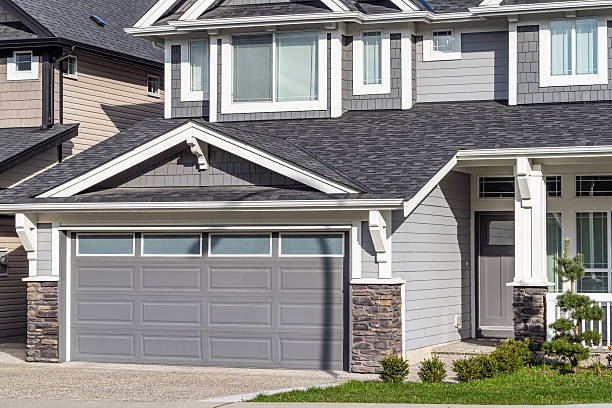
Buying a new garage door sounds straightforward until you're actually standing in a showroom or scrolling through product pages at midnight, completely lost. Steel or wood? Torsion or extension springs? R-value of what? The options pile up fast, and nobody wants to drop a few thousand dollars on something they'll regret every single morning when they pull out of the driveway. The good news is that most buyers overthink the wrong things and ignore the ones that actually matter. Before you spend anything, work through these five checks. They'll save you from a bad decision and probably save you some money too. If you're local, finding a reliable Garage Door Supplier in Pottstown PA who can walk you through these questions in person is honestly worth the trip.
1. Material: What's the Door Actually Made Of?
This is the first decision that shapes everything else. Steel is the most popular choice, and for good reason. It's strong, relatively affordable, and you can get it painted or textured to look like wood without the upkeep. But it can dent, and in coastal or high-humidity areas, cheaper steel can rust over time if it's not properly coated.
Wood looks beautiful. Full stop. But it warps, swells, and needs regular sealing or painting, sometimes every couple of years depending on your climate. If you want that classic carriage-house look and you're willing to maintain it, wood is great. If you're not, it's going to look rough within a few seasons. Aluminum is lightweight and rust-resistant, which makes it a solid pick for humid climates, though it dents easily. Fiberglass is the outlier. It handles moisture well and can mimic wood grain convincingly, but it tends to crack in very cold temperatures and isn't always easy to find locally.
Think about your climate first. Then think about how much time you actually want to spend on maintenance. That usually narrows it down pretty quickly.
2. Insulation R-Value: Does It Actually Matter for Your Garage?
Short answer: yes, usually. The R-value measures how well the door resists heat transfer. Higher number, better insulation. A single-layer steel door might have an R-value of 0 to 2. A well-insulated triple-layer door can hit R-18 or higher. That gap matters a lot if your garage is attached to your house, if you spend time in it, or if you're heating or cooling the space.
For a detached garage where you're just storing lawn equipment, a lower R-value is probably fine. But if your garage shares a wall with your living room or if you've got a workshop in there, cheap insulation is going to show up on your energy bill every single month. According to the U.S. Department of Energy, insulation in attached garages can have a real effect on a home's overall energy efficiency, especially in climates with harsh winters or hot summers.
A good rule of thumb: aim for at least R-12 if your garage is attached and you live somewhere with cold winters. Go higher if you're running a heater or AC out there regularly.
3. Panel Style and Curb Appeal
This one gets skipped more than it should. People pick a door for the specs, get it installed, and then realize it looks completely wrong next to their house. Not a great feeling. The garage door is one of the largest visual elements on the front of most homes, so the style genuinely affects curb appeal and resale value.
Raised-panel doors have that classic look that works with traditional or colonial-style homes. Flush or modern flat-panel doors suit contemporary architecture. Carriage-house style doors, with their cross-beam detailing, tend to pair well with craftsman or farmhouse exteriors. Windows in the top panels add light to the garage interior and can make the door look more proportional on a two-car setup.
Take a photo of your home's front elevation and bring it with you when you're shopping. Most suppliers can overlay different door styles on the image so you can actually see what you're getting before anything is ordered. It takes maybe 10 minutes and it's worth every second.
4. Spring and Hardware System
Most buyers never think about this until something breaks. The spring system is what does the actual heavy lifting every time the door opens, and the type you have affects how long the system lasts and how much repairs cost down the road.
Torsion springs sit horizontally above the door opening. They tend to last longer, typically 15,000 to 20,000 cycles, and they operate more smoothly and quietly than the alternative. Extension springs run along the sides of the door tracks and are more common in older or budget installations. They work fine but tend to wear out faster and can be more dangerous if one snaps unexpectedly. If you're replacing an older door and the installer suggests keeping old extension springs, that's worth pushing back on.
Ask specifically what spring system comes with the door you're considering. Ask about the cycle rating too. A cheap spring on a door you open four times a day is going to need replacing a lot sooner than you'd like. Hardware quality, hinges, rollers, cables, all of it affects how the door performs and sounds over time. Don't let anyone gloss over this part.
5. Warranty and Supplier Credibility
A garage door is a long-term purchase. You want to know the product is backed and that the company selling it will still be around if something goes wrong. This is where supplier credibility matters as much as the door itself.
Look for warranties that cover the door panel separately from the hardware and the finish. Some manufacturers offer lifetime warranties on the steel panel but only a year on the springs or the finish coating. Read what's actually covered, not just the headline number. A "lifetime warranty" that excludes finish peeling and hardware wear isn't as strong as it sounds.
When you're talking to a supplier, ask how long they've been in business, whether they do their own installation or subcontract it, and what the service process looks like if something fails in year two. If they get vague or pushy, that's a red flag. Ollis Entry is one local option that homeowners in the area have worked with for this kind of purchase, and asking those same questions of any supplier you consider is a smart move regardless. A Local Garage Door Supplier in Pottstown PA who's been around for years and has real references is going to be a safer bet than a discount operation you found through a single online ad.
The Local Garage Door Supplier in Pottstown PA you choose should be able to give you references, show you installed examples nearby, and explain warranty terms without making you feel like you're being difficult for asking. If they can't do that, keep looking.
Frequently Asked Questions
How long does a garage door typically last?
Most steel garage doors last 20 to 30 years with reasonable maintenance. The hardware, springs especially, will need attention sooner than that. Springs usually last somewhere between 7 and 15 years depending on use and quality. The door itself often outlasts two or three sets of springs.
What's the best material for a garage door in a cold climate?
Steel with good insulation handles cold climates well. Fiberglass can crack in extreme cold, and wood can swell or warp with repeated freeze-thaw cycles. If you're somewhere with real winters, look for a steel door with a polyurethane foam core and an R-value of at least R-12.
Can I replace just the springs without replacing the whole door?
Yes, and that's often the right call. If the door panel itself is in decent shape, replacing worn springs and hardware is much cheaper than a full replacement. But if the door is old, dented, and poorly insulated, it might make more sense to do everything at once while labor is already on site.
How do I know if a Garage Door Supplier in Pottstown PA is reputable?
Check how long they've been operating locally. Look for real reviews on Google or the Better Business Bureau, not just testimonials on their own site. Ask whether they employ their own installers or use subcontractors. And get any warranty terms in writing before you commit to anything.
Is a higher R-value always worth the extra cost?
Not always. For a detached, unheated storage garage, the extra spend on a high-R door probably won't pay back in energy savings. But for an attached garage or one you use as a workspace, the difference in comfort and heating costs adds up fast. Run a rough calculation based on your local energy rates and how much you use the space before deciding.
Take your time with this purchase. A garage door isn't something most people replace more than once or twice in their lives, so getting it right the first time is worth a bit of extra research and a few pointed questions to whoever's selling it to you.

