


How Athletes Can Return to Sports After Shoulder Injuries
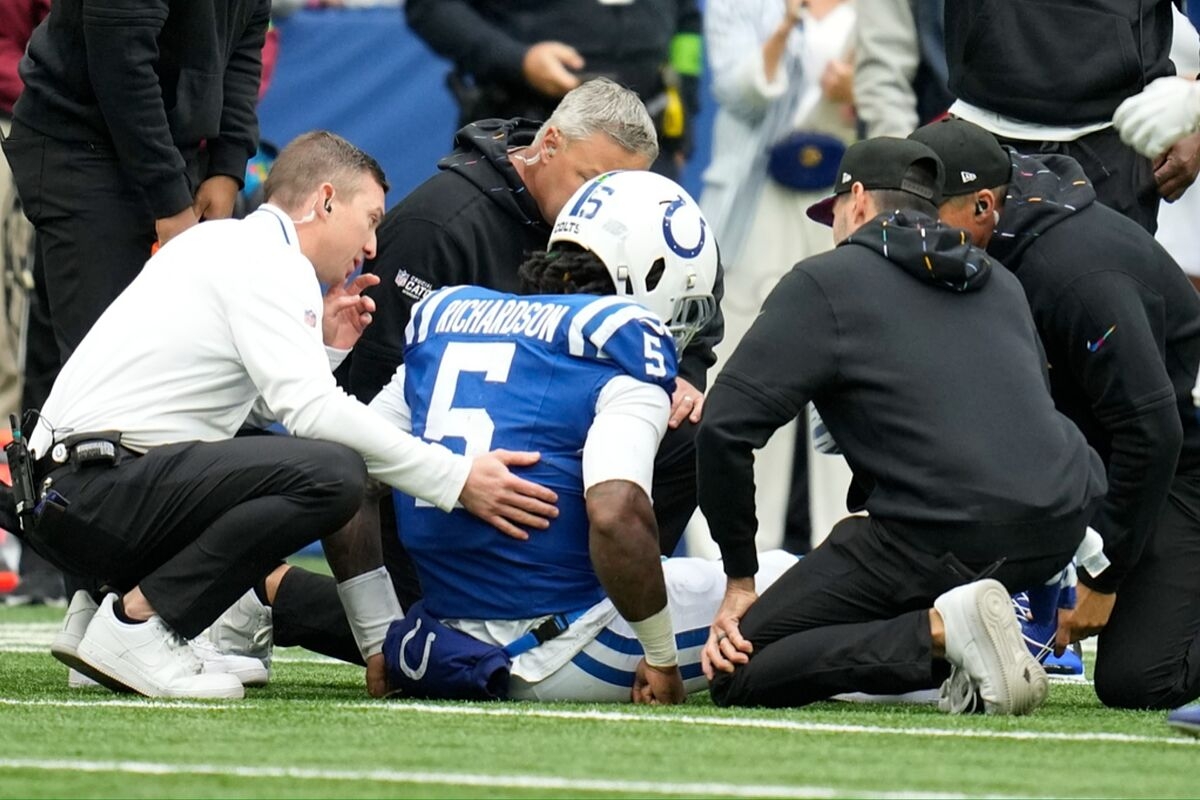
Shoulder injuries can sideline athletes unexpectedly. Returning safely requires patience and proper guidance. Rushing recovery often leads to further setbacks. This article explores a safe return-to-sport process.
Understanding Common Athletic Shoulder Injuries
Athletes often experience dislocations during contact sports. Overhead movements can strain shoulder structures repeatedly. Repetitive stress sometimes leads to instability over time. Understanding injury type guides recovery planning. Each sport carries specific risk patterns.
Swimmers and throwers face different strain patterns. Recognizing these differences helps tailor rehabilitation plans.
The Importance of Proper Diagnosis
Accurate diagnosis shapes the recovery timeline. Imaging helps determine the extent of damage. Doctors assess stability alongside strength and mobility. This information guides appropriate treatment decisions. Skipping proper diagnosis risks incomplete recovery.
Physical exams often reveal instability doctors monitor closely. Combining exams with imaging improves diagnostic accuracy.
Initial Recovery and Rest
Rest allows initial healing to begin properly. Avoiding aggravating movements protects the joint early. Ice and anti-inflammatory measures reduce swelling. Gentle range-of-motion exercises often start soon after. This phase lays groundwork for stronger recovery.
Sleep quality also supports early tissue healing. Athletes are encouraged to prioritize consistent rest.
Rebuilding Strength Safely
Strength training resumes gradually under supervision. Resistance bands often introduce early strengthening work. Progression depends on pain-free movement patterns. Therapists monitor form to prevent compensation injuries. Consistency supports steady, safe progress.
Shoulder stability exercises are often prioritized early. This helps prevent future instability during activity.
Sport-Specific Rehabilitation
Rehabilitation eventually mimics sport-specific movements. Throwing athletes practice controlled motion patterns. Contact sport athletes rebuild protective strength. Swimmers focus on shoulder endurance and flexibility. Tailored programs improve safe return timelines.
Coaches often collaborate with therapists during this phase. This ensures training aligns with recovery goals.
Monitoring Pain During Return
Pain during activity signals the need for caution. Mild discomfort may be normal during progression. Sharp or persistent pain requires immediate attention. Athletes should communicate openly with their medical team. Ignoring pain risks reinjury or further damage.
Tracking pain levels daily helps identify patterns early. This supports safer, more informed decision-making.
When Surgery Becomes Necessary
Some injuries require surgical intervention for stability. Recurrent dislocations often prompt this discussion. Structural damage may not heal without repair. Doctors evaluate all options before recommending surgery. Athletes considering shoulder dislocation surgery should understand recovery timelines fully.
Surgical decisions depend on sport and severity. Each athlete's situation requires individualized evaluation.
Psychological Aspects of Returning to Sport
Fear of reinjury often affects returning athletes. Confidence rebuilding takes time alongside physical healing. Sports psychologists sometimes support this transition. Gradual exposure to competition reduces anxiety. Mental readiness matters as much as physical readiness.
Visualization techniques can help rebuild confidence gradually. Support from teammates also eases this transition.
Building a Return-to-Play Plan
A structured plan reduces reinjury risk significantly. Milestones mark progress throughout recovery stages. Coaches and medical staff collaborate closely. Clear communication supports safer decision-making. Structured plans improve long-term athletic outcomes.
Regular reassessment ensures the plan stays appropriate. Adjustments are made based on ongoing progress.
Long-Term Shoulder Health
Maintaining strength supports long-term joint stability. Regular conditioning reduces future injury risk. Athletes benefit from ongoing preventive exercises. Monitoring symptoms helps catch issues early. Long-term care protects athletic careers.
Periodic check-ins with therapists support prevention. This helps athletes maintain peak performance safely.
Final Thoughts
Returning to sport after shoulder injury takes time. Following structured rehabilitation supports safer outcomes. Communication with medical teams remains essential. Many athletes return to full performance eventually. Patience and consistency lead to lasting success.

