


Camouflage Suit: Features, Uses, Benefits, and Selection Guide
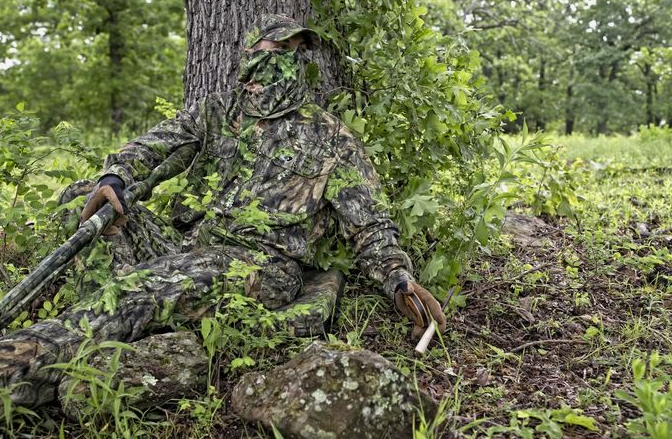
Outdoor enthusiasts often need clothing that combines comfort, weather protection, mobility, and visual concealment. A camouflage suit is designed to help users blend more naturally with their surroundings while providing practical coverage during extended periods outdoors. Hunters, wildlife observers, photographers, hikers, and other outdoor users may choose camouflage clothing based on terrain, weather, season, and activity. Beyond appearance, a well-designed camouflage suit can provide useful features such as lightweight construction, quiet fabric, ventilation, adjustable closures, and protection from changing outdoor conditions.
Choosing suitable outdoor clothing requires more than selecting a pattern that looks appropriate. Different environments feature different colors, vegetation, shadows, and seasonal characteristics, so camouflage designs vary considerably. Material, fit, durability, noise level, weather resistance, and breathability can all influence comfort and usability. Understanding these features helps outdoor users make informed decisions and select clothing that suits their intended environment and activity.
Understanding Camouflage Suit Design
A camouflage suit generally consists of garments designed to break up the wearer's visual outline and complement the surrounding environment. Patterns can include combinations of earth tones, foliage-inspired colors, irregular shapes, and contrasting areas that reduce the obvious human silhouette. Some suits are designed as lightweight outer layers, while others incorporate additional insulation or weather-resistant materials for colder conditions. Construction may include reinforced areas, elastic cuffs, adjustable hoods, pockets, and ventilation features. The design should allow natural movement without creating unnecessary bulk. For outdoor users, fabric noise can also be an important consideration because loud material movement may be distracting during quiet activities. The best design depends on the environment, season, and activity for which the suit is intended.
Importance of Camouflage for Outdoor Users
Visual concealment can be useful in outdoor activities where observing wildlife without creating unnecessary visual disturbance is important. Hunters and wildlife observers may select clothing patterns that correspond with local vegetation and terrain. Forest environments, grasslands, wetlands, and open landscapes can have very different visual characteristics, making a single pattern unsuitable for every situation. Camouflage clothing can also provide practical coverage against sun, wind, light rain, vegetation, and changing temperatures depending on its construction. For outdoor users spending several hours outside, comfort can be just as important as the visual design. A garment that restricts movement, traps excessive heat, or provides inadequate weather protection may be less useful than one with a balanced combination of concealment and functionality.
Features to Look for in a Camouflage Suit
Important features can vary according to the intended activity and environment. Hunters may prioritize quiet materials, practical pockets, adjustable cuffs, and patterns suited to local terrain, while hikers and wildlife observers may place greater emphasis on lightweight construction and breathability. A suitable suit should provide enough room for natural movement and, where appropriate, layering underneath. Durable stitching and reinforced areas can improve longevity when users move through brush or uneven terrain. Weather-resistant materials may be useful in damp conditions, while breathable fabrics can improve comfort during warmer activities. Some designs incorporate hoods, face coverings, or adjustable components to provide additional coverage. When comparing options, users should consider the complete combination of material, construction, fit, pattern, and environmental suitability rather than focusing on a single feature.
Choosing the Right Camouflage Pattern
Camouflage effectiveness depends heavily on the environment in which the clothing is used. Woodland patterns may incorporate greens, browns, and darker shapes, while dry or open terrain may call for lighter earth tones. Seasonal changes can also influence which pattern blends most naturally with the surroundings. A pattern designed for dense summer vegetation may look noticeably different from the surrounding landscape during a dry or leafless season. Outdoor users should therefore consider the dominant colors, textures, vegetation, and lighting conditions of their regular environment. Pattern scale can also matter because large, high-contrast shapes may perform differently from smaller, more subtle patterns at various distances. Choosing clothing that visually complements the specific terrain can provide a more practical result than selecting a pattern based solely on appearance.
Comfort, Fit, and Material Selection
Comfort is essential when outdoor clothing is worn for long periods. A camouflage suit should allow sufficient freedom of movement while accommodating the other layers or equipment that may be worn underneath. Lightweight materials can be beneficial in warm conditions, whereas insulated designs may be more appropriate for colder environments. Breathability helps manage moisture and heat during physical activity, while weather-resistant materials can provide protection from wind or light precipitation. Fabric texture and noise should also be considered for activities that require quiet movement. Adjustable cuffs, waistbands, hoods, and other features can improve fit and reduce unwanted gaps. Before purchasing, outdoor users should review sizing information and consider how the suit will be used across different temperatures and activity levels.
Practical Uses Beyond Hunting
Although camouflage clothing is strongly associated with hunting, its applications extend to many other outdoor activities. Wildlife photographers and birdwatchers may use muted camouflage patterns to reduce visual contrast while observing animals in natural environments. Outdoor researchers and nature enthusiasts may also choose neutral clothing when working in vegetation or conducting field observations. Some users select camouflage garments simply because they offer durable outdoor construction and practical storage. Recreational activities such as hiking, camping, and outdoor exploration may also benefit from clothing designed for variable weather and rugged terrain. The most suitable garment depends on the activity, but the combination of functional design and environmental styling makes camouflage clothing versatile for many outdoor settings.
Maintenance and Care Considerations
Proper maintenance can help preserve the appearance, comfort, and performance of outdoor clothing. Users should follow the manufacturer's care instructions because washing methods can vary depending on fabric composition, coatings, and construction. Harsh detergents or inappropriate cleaning processes may affect colors or specialized finishes. After use in wet conditions, garments should be dried thoroughly before storage to help prevent unpleasant odors and material deterioration. Users should also inspect stitching, closures, pockets, and other high-use areas periodically, particularly after spending time in dense vegetation or rough terrain. Storing the suit in a clean, dry location can help preserve the fabric and pattern. With appropriate care, a quality outdoor garment can remain useful across many seasons.
Future Trends in Outdoor Camouflage Clothing
Outdoor apparel continues to evolve as manufacturers develop materials that balance concealment, comfort, durability, and weather protection. Advances in lightweight textiles, moisture management, quiet fabric construction, and environmentally conscious manufacturing are influencing modern outdoor clothing. Designers are also developing patterns intended for specific terrain and seasonal conditions rather than relying on generic camouflage styles. Improved garment construction may provide greater mobility while reducing unnecessary weight and bulk. For outdoor users, these developments can make camouflage clothing more versatile across changing conditions. Future designs are likely to place greater emphasis on multifunctional garments that provide practical outdoor protection while maintaining effective environmental integration.
Conclusion
A well-designed camouflage suit can provide outdoor users with a combination of visual concealment, comfort, mobility, and practical weather protection. For hunters, wildlife observers, and other outdoor enthusiasts, the most appropriate choice depends on terrain, season, activity, fabric characteristics, fit, and required features. Evaluating pattern suitability alongside breathability, durability, noise level, weather resistance, and maintenance requirements can help users select clothing that performs well in real outdoor conditions. Rather than choosing camouflage based solely on appearance, users should consider how the complete garment will function in their specific environment. With thoughtful selection and proper care, camouflage clothing can be a practical addition to a well-prepared outdoor wardrobe.

