


Can Rehabilitation Improve Athletic Performance?
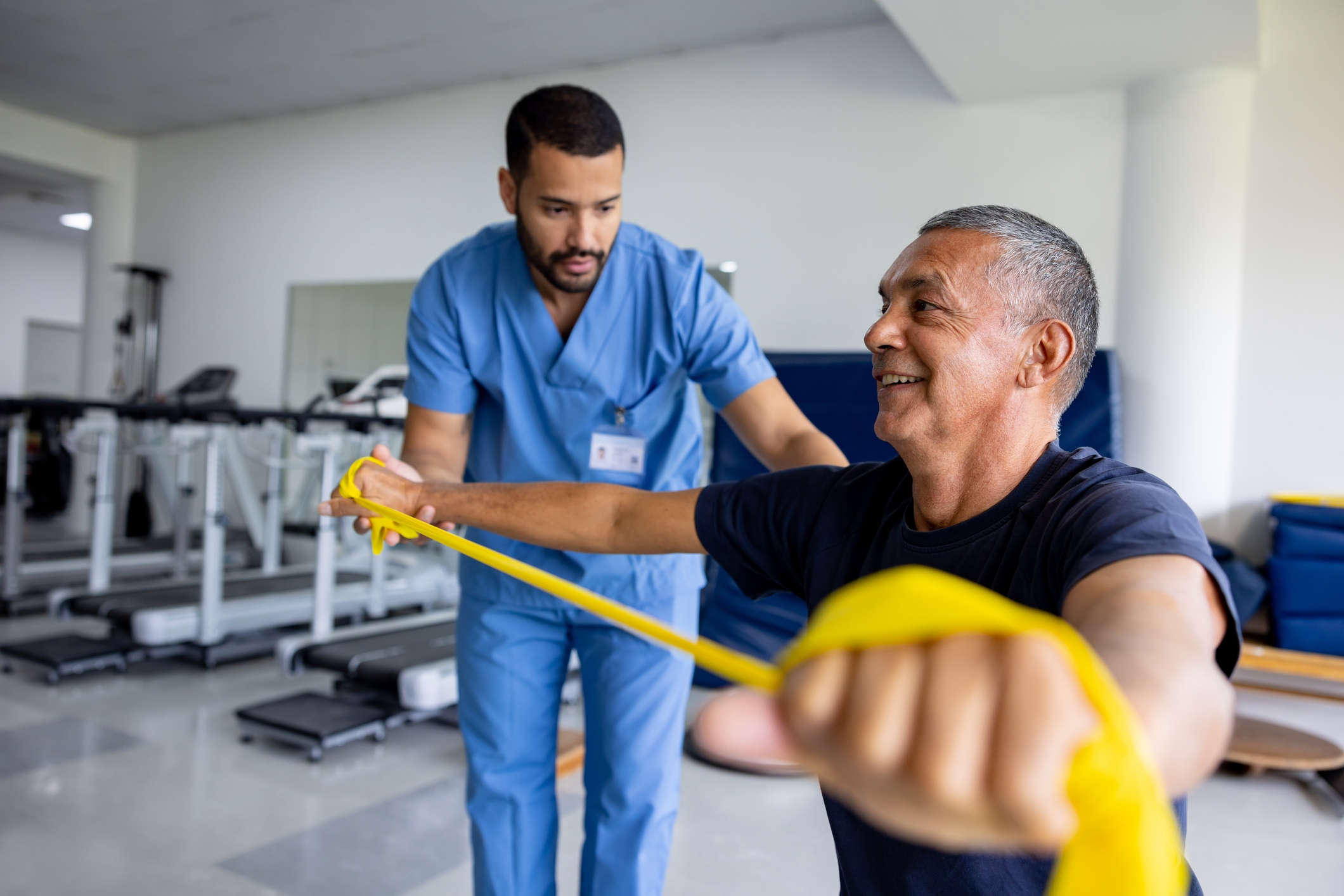
The connection between rehabilitation and athletic performance is widely misunderstood. Many athletes view physiotherapy as something done only after injury occurs. They associate rehabilitation with recovery, not with performance enhancement. In reality, these two goals are deeply and productively interconnected. Rehabilitation addresses the physical limitations that hold athletes back from peak performance. This article explores how rehabilitation can directly and meaningfully improve athletic performance at every level.
How Physical Limitations Restrict Athletic Performance
Athletic performance depends on the seamless integration of physical capacities. Strength, flexibility, coordination, balance, and endurance all contribute. When any of these capacities is compromised, performance is limited. Muscle imbalances reduce efficiency and increase injury risk during training. Poor joint mobility restricts the range of motion available for athletic movement. Neuromuscular deficits slow reaction time and reduce movement precision. Previous injuries leave behind physical vulnerabilities that affect current performance. Rehabilitation identifies and addresses each of these limiting factors systematically.
Rehabilitation as a Performance Tool
Progressive rehabilitation is not limited to post-injury recovery. It is increasingly used proactively to optimise athletic performance. Pre-season rehabilitation screens and addresses physical vulnerabilities before injury occurs. In-season rehabilitation maintains peak physical function throughout demanding schedules. Off-season rehabilitation corrects imbalances and builds capacity for the next season. Rehabilitation programmes designed with performance goals are fundamentally different. Every exercise, every progression, and every technique is chosen with performance in mind. Athletes who use rehabilitation proactively gain a measurable competitive advantage.
Addressing Strength Imbalances for Better Performance
Strength imbalances are one of the most common performance limiters in sport. Sport-specific training creates predictable asymmetries between muscle groups and sides. Runners develop tight hip flexors but weak hip extensors over time. Swimmers build strong internal shoulder rotators but neglect the external rotators. These imbalances reduce movement efficiency and elevate injury risk significantly. Rehabilitation identifies imbalances through clinical strength testing and movement analysis. Targeted exercises correct specific deficits without interrupting sport-specific training. Athletes who achieve balanced strength perform more powerfully and consistently in competition.
Improving Mobility and Flexibility for Athletic Movement
Flexibility and mobility directly influence the quality of athletic movement. Limited hip mobility restricts stride length during running sports. Restricted thoracic spine mobility impairs rotational power in throwing and racket sports. Ankle mobility limitations affect jumping mechanics and landing quality. Rehabilitation addresses sport-specific mobility deficits with precision and relevance. Dynamic stretching, joint mobilisation, and myofascial release are key therapeutic tools. Athletes who improve their mobility demonstrate immediate performance improvements. Increased range of motion allows more complete and powerful expression of athletic skill.
Neuromuscular Training and Coordination
Neuromuscular performance refers to the efficiency of nervous system muscle control. This efficiency determines reaction time, coordination, and movement consistency. Athletes with superior neuromuscular control perform technical skills more reliably. Proprioceptive training improves the body's positional awareness during fast movements. Reactive agility drills train rapid neuromuscular responses to competition conditions. Perturbation training prepares athletes for the unexpected demands of live sport. A skilled sports injury physio designs neuromuscular programmes specific to each sport and athlete. Their specialist knowledge ensures rehabilitation is directly relevant to performance demands.
Power Development Through Rehabilitation Progressions
Power development is a natural extension of rehabilitation-based strength training. Physiotherapists understand how to progress from rehabilitation loading to performance loading. Plyometric training involving jumps, bounds, and reactive movements develops athletic power. Athletes must have adequate strength before plyometrics are introduced safely. Correct landing mechanics and joint alignment are monitored throughout all plyometric sessions. Progressive plyometric programmes produce measurable improvements in sprint speed and jump height. Athletes who complete plyometric progressions through rehabilitation demonstrate clear performance gains. The bridge between rehabilitation and performance is built through intelligent, expert progression.
Recovery Optimisation as a Performance Enhancer
Recovery quality directly determines training adaptation and performance output. Athletes who recover faster can train more frequently at higher intensities. Physiotherapy provides evidence-based recovery strategies for competitive athletes. Soft tissue massage reduces post-exercise soreness and improves training readiness. Manual therapy maintains joint mobility and reduces restriction between training sessions. Sleep and nutritional guidance from physiotherapists enhance recovery quality broadly. Athletes who optimise recovery through physiotherapy consistently demonstrate better training adaptation. Superior recovery leads directly to superior performance across all athletic disciplines.
Returning From Injury Stronger Than Before
Injury rehabilitation presents a genuine opportunity for performance improvement. During rehabilitation, athletes address weaknesses they may have carried for years. The enforced reduction in training load allows overuse injuries to fully resolve. Rehabilitation identifies and corrects the movement faults that contributed to injury. Athletes return from well-managed rehabilitation physically better balanced and more resilient. Many athletes report performing at higher levels after comprehensive rehabilitation. This phenomenon is well-recognised in sports physiotherapy practice and research. Rehabilitation is not just recovery — it is reconstruction and often genuine enhancement.
The Evidence for Rehabilitation and Performance Improvement
Research consistently supports the performance-enhancing effects of targeted rehabilitation. Studies in running sports show improved economy after gait rehabilitation programmes. Research in throwing sports demonstrates increased velocity after shoulder rehabilitation. Football research shows reduced injury rates and improved movement quality after pre-season screening. Athletes who complete structured neuromuscular programmes demonstrate measurably better performance outcomes. The evidence base for rehabilitation as a performance tool continues to grow strongly. Sports physiotherapy has evolved from an injury treatment service to a performance science. Athletes at every level benefit from applying these evidence-based rehabilitation principles.
Final Thoughts
Rehabilitation is a powerful and evidence-based performance enhancement tool. It addresses strength imbalances, mobility restrictions, and neuromuscular deficits comprehensively. Every physical limitation addressed through rehabilitation translates into better athletic output. Athletes who use rehabilitation proactively perform more consistently and sustain fewer injuries. Professional sports physiotherapy provides the clinical expertise needed for effective performance rehabilitation. Combining injury prevention, performance optimisation, and recovery management creates elite athletes. Do not wait for injury to engage with physiotherapy — use it to perform better now. Rehabilitation and performance are not opposing goals. They are deeply aligned, and together they produce the best athletes.

