


What Happens During a Phase 2 Environmental Site Assessment?
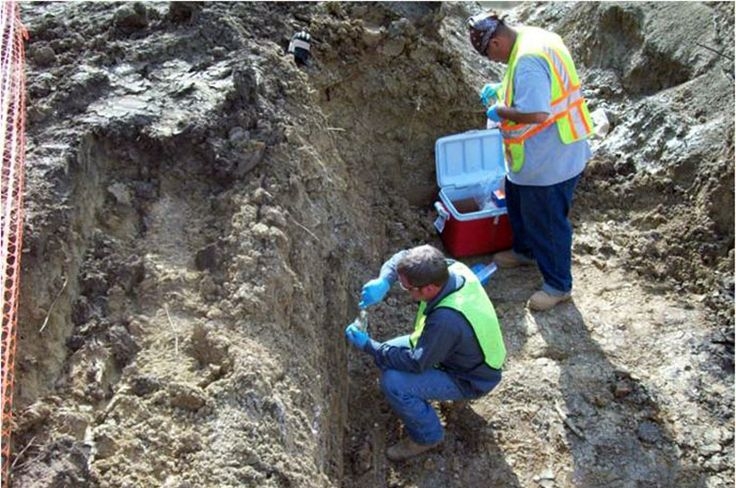
A Phase 2 Environmental Site Assessment is a critical step in understanding what lies beneath any property. It moves beyond the historical research and visual inspection of Phase 1 into actual physical investigation. Many property transactions, development projects, and regulatory proceedings depend on Phase 2 findings. Understanding what actually happens during this assessment helps stakeholders prepare and participate effectively. This article explains the complete Phase 2 Environmental Site Assessment process in practical detail.
The Purpose of a Phase 2 Environmental Site Assessment
A Phase 2 assessment is triggered by concerns identified during a Phase 1 assessment. Phase 1 reviews historical records and conducts visual inspections without physical sampling. When recognized environmental conditions are identified, physical sampling becomes necessary. Phase 2 provides actual measured data about soil and groundwater conditions beneath a property. This data confirms or rules out the contamination suspected based on Phase 1 findings.
The primary objective of Phase 2 is to characterize actual environmental conditions with measured evidence. Decision-makers need quantified data, not just historical suspicion, to make informed choices. Buyers need to know whether contamination actually exists before committing to purchase. Lenders need environmental clearance based on measured conditions before approving financing. Regulators need documented evidence of contamination to support enforcement or remediation requirements.
Phase 2 assessments also define the extent and concentration of any contamination found. Knowing that contamination exists is useful, but not sufficient for planning remediation. Understanding the three-dimensional distribution of contamination is essential for effective remediation design. Phase 2 sampling programs are designed to characterize both horizontal and vertical contamination extent. This comprehensive characterization forms the foundation for all subsequent environmental management decisions.
Triggering Conditions for Phase 2 Assessment
Not every property requires a Phase 2 assessment after Phase 1 is complete. Properties with no recognized environmental conditions from Phase 1 may not need physical sampling. However, most former industrial, commercial, and agricultural properties present some recognized conditions. Proximity to known contaminated sites can trigger Phase 2 requirements even without on-site concerns. Regulatory requirements in some jurisdictions mandate Phase 2 for specific property transaction types.
Common triggers include former underground storage tanks at gas stations and fuel storage facilities. Dry cleaning operations using chlorinated solvents trigger Phase 2 requirements almost universally. Former metalworking, electroplating, and manufacturing operations suggest heavy metal contamination potential. Agricultural properties with intensive pesticide application histories warrant Phase 2 investigation. Any property where industrial chemicals were used, stored, or disposed of is a candidate for Phase 2.
Scoping and Planning the Phase 2 Assessment
Effective Phase 2 assessments begin with thorough scoping and planning activities. The recognized environmental conditions from Phase 1 guide identification of sampling locations. Sampling locations are strategically placed to address each specific concern area. Areas identified as high-risk in Phase 1 receive more intensive sampling coverage. Areas without historical concerns may be sampled to confirm they are unaffected.
A sampling and analysis plan documents the complete investigation approach. This plan specifies sampling locations, depths, sample types, and analytical parameters. It describes the quality assurance and quality control procedures that will be followed. Chain of custody procedures for sample handling are specified in advance. Regulatory agencies may review and approve sampling and analysis plans before fieldwork begins.
Analytical parameter selection is a critical planning decision. Parameters must match the contaminants expected based on historical uses of the property. Using a scope too narrow misses contaminants that may be present. Using a scope too broad wastes resources on analyses unlikely to reveal relevant contamination. Experienced environmental professionals develop targeted but comprehensive analytical scopes for each property type.
Physical Fieldwork During Phase 2
The Phase 2 fieldwork phase involves all physical sampling and field measurement activities. Soil sampling is typically the first and most fundamental field activity. Boreholes are drilled at planned locations using methods appropriate for the geological conditions. Soil samples are collected at specified depth intervals from each borehole location. Field geologists describe and log all soil samples before they are packaged for laboratory analysis.
Field screening of soil samples with photoionization detectors provides immediate guidance. Elevated volatile organic compound readings direct closer attention to specific borehole intervals. Unusual soil coloration, staining, or odors are documented as potential contamination indicators. Field screening results guide real-time decisions about where to focus additional sampling. Experienced field geologists integrate multiple lines of evidence to make efficient sampling decisions.
Groundwater monitoring wells are installed when groundwater investigation is warranted. Well installation follows the detailed specifications established during planning. Well casing materials are selected for compatibility with anticipated contaminant types. Screen intervals are positioned at the target depth for groundwater monitoring. Each well installation is documented in detailed as-built records for regulatory reference.
Well Development and Groundwater Sampling
After installation, monitoring wells must be developed before representative samples can be collected. Development removes drilling fluids and fine particles that entered the well during installation. Undeveloped wells produce turbid samples that interfere with laboratory analysis. Development continues until water clarity and field parameter stability are achieved. Documentation of development activities verifies that wells are ready for representative sampling.
Groundwater sampling follows low-flow or standard purging protocols as specified in the sampling plan. Field parameters are measured continuously during purging to determine when stabilization is achieved. Sample collection begins only after parameters have stabilized within defined ranges. Samples are collected in the specific container types and preservation chemicals required for each parameter. Completeness of sample collection at each well is verified against the sampling plan requirements.
Laboratory Analysis of Phase 2 Samples
All collected samples are submitted to accredited environmental testing laboratories. Laboratory accreditation ensures that analytical methods meet established quality and performance standards. Results from accredited laboratories are accepted by regulatory agencies without technical dispute. Chain of custody documentation accompanies all samples from field collection through laboratory receipt. Laboratories log samples against chain of custody records to confirm all items were received.
A phase 2 environmental site assessment relies on laboratory results that meet strict quality control standards.
Quality control samples processed with field samples verify analytical system performance. Laboratory method blanks confirm that analytical processes are not introducing contamination. Laboratory duplicates verify precision of analytical measurements for all parameters. Matrix spike samples test whether site sample matrices are interfering with accurate measurement. Reviewing quality control results before accepting any analytical data is standard professional practice.
Turnaround times for laboratory results affect the overall Phase 2 assessment schedule. Standard turnaround of 10 to 14 business days is typical for most analytical parameters. Expedited turnaround is available for time-sensitive assessments when willing to pay premium rates. Planning realistic laboratory turnaround times into Phase 2 assessment schedules prevents unnecessary delays. Most Phase 2 assessments can be completed within four to eight weeks from field mobilization.
Data Evaluation and Risk Assessment
Analytical results are reviewed against applicable regulatory screening criteria when received. Regulatory criteria specify maximum acceptable concentrations for soil and groundwater contaminants. Exceedances above applicable criteria require further evaluation and may trigger remediation requirements. Results below all applicable criteria provide assurance that contamination is not present at concerning levels. Initial screening against criteria provides a rapid first-pass identification of potential concerns.
Site-specific risk assessment provides more nuanced evaluation than simple criteria comparison. Risk assessment considers the actual exposure pathways present at the specific property. Pathways that do not exist given the planned property use do not represent real risks. Contaminant concentrations, toxicity, and exposure frequency all factor into risk calculations. Site-specific risk assessment can support higher acceptable contamination levels than generic criteria in some cases.
Spatial analysis of results produces contamination distribution maps for the property. These maps show where contamination exceeds criteria and how concentrations vary across the site. Spatial patterns reveal likely contamination source locations and migration directions. Three-dimensional contamination models built from sampling data guide remediation design. Visual presentation of data helps all stakeholders understand contamination conditions intuitively.
Phase 2 Report Preparation and Delivery
The Phase 2 assessment report compiles all investigation findings into a comprehensive document. The report describes the investigation scope, methodology, and quality assurance procedures followed. Results tables present all analytical data alongside applicable regulatory criteria for comparison. Site maps show borehole locations, well locations, and contamination distribution patterns. Interpretive sections explain what results mean in the context of site conditions and regulatory requirements.
The report conclusions state clearly whether contamination was detected and at what levels. They specify whether contamination exceeds applicable regulatory criteria for the planned property use. Recommendations address what additional investigation or remediation may be required. Risk communication sections explain findings in terms that non-technical stakeholders can understand. Reports written clearly and completely serve all stakeholders most effectively.
Acting on Phase 2 Findings
Phase 2 findings create a clear framework for decision-making by all transaction parties. Clean results allow property transactions and development projects to proceed with environmental confidence. Contamination findings require negotiation about responsibility, remediation, and financial provisions. Price adjustments, remediation escrow accounts, and environmental indemnification agreements are common responses. Experienced legal and environmental advisors guide parties through post-Phase 2 negotiations.
Regulatory notification may be required when Phase 2 confirms contamination above specified thresholds. Notification timelines and requirements vary by contaminant type and jurisdiction. Regulatory agencies may impose investigation or remediation orders following notification. Voluntary notification ahead of regulatory requirements demonstrates good faith and is often strategically advantageous. Environmental professionals guide clients through regulatory response requirements following Phase 2 findings.

