


What Features Should You Expect from Real Estate Web Development?
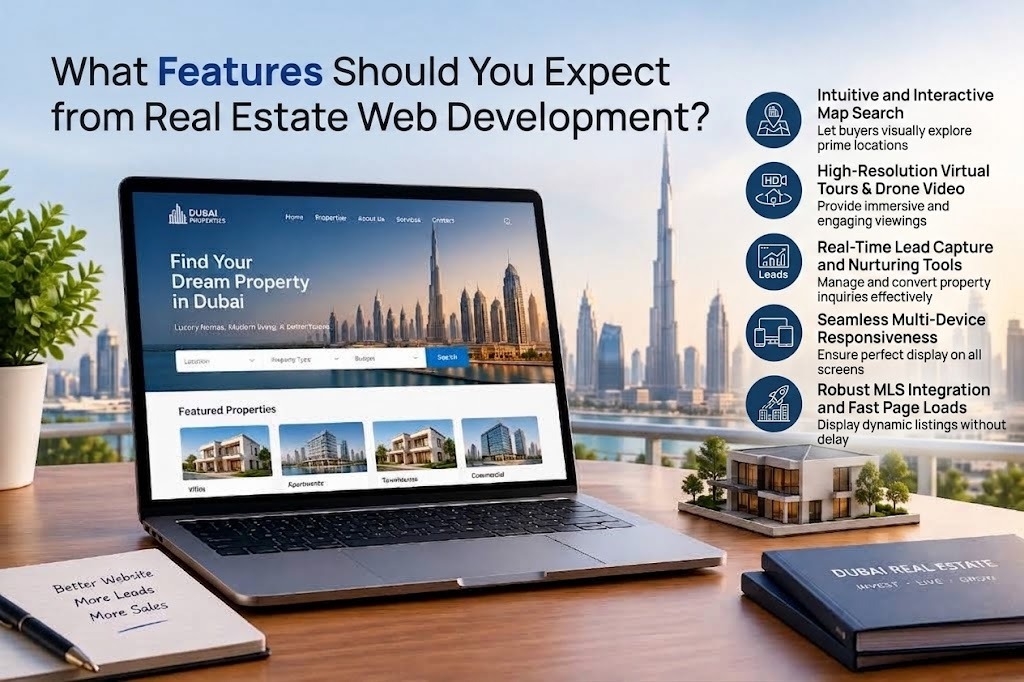
The real estate industry has undergone a significant digital transformation in recent years. Today's property seekers expect sophisticated, user-friendly websites that provide comprehensive information and streamlined transaction processes. If you're developing or upgrading a real estate website, understanding the essential features is crucial for success. This article explores the key features that modern real estate web development platforms should include to meet client expectations and drive business growth.
1. Property Listing and Search Functionality
Advanced Search Capabilities
A robust real estate website must offer advanced search features that allow users to filter properties by multiple criteria. Users should be able to search by location, price range, property type, number of bedrooms and bathrooms, square footage, and amenities. The search functionality should support geographic searches using maps, radius-based searches, and saved searches that notify users of new listings matching their preferences. Implementing autocomplete suggestions and search history can significantly improve user experience and reduce the time required to find relevant properties.
Multiple Listing Options
The platform should showcase properties in various formats—grid view, list view, and map view. Each listing should include high-quality images, virtual tours, 360-degree photography, and video walkthroughs. Professional photography and multimedia content are essential for attracting serious buyers and renters. Additionally, the website should support detailed property descriptions, neighborhood information, school ratings, and proximity to amenities like parks, restaurants, and public transportation.
2. User Account and Management Features
Personalized User Profiles
Real estate websites should allow users to create accounts where they can save favorite properties, create watchlists, and manage their property search history. Users should be able to set up alerts for new listings that match their criteria and receive notifications via email or SMS. For agents and brokers, the platform should provide dashboards where they can manage their listings, track leads, and monitor client interactions.
CRM Integration
Customer Relationship Management (CRM) capabilities are vital for real estate professionals. The website should integrate with CRM systems to help agents track leads, manage follow-ups, and maintain client communication history. This integration enables personalized marketing campaigns and more effective client management throughout the sales process.
3. Virtual Tour and Visualization Technology
Immersive Property Experiences
Modern real estate websites should include immersive technologies that allow potential buyers to explore properties remotely. This includes 360-degree photography, virtual tours, drone photography, and video walkthroughs. Some platforms even incorporate virtual reality (VR) capabilities that enable users to experience properties in an immersive three-dimensional environment. These technologies are particularly valuable for out-of-state or international buyers who cannot visit properties in person.
Floor Plans and Property Details
Interactive floor plans with accurate measurements help users understand the property layout better. The website should clearly display technical specifications, property history, inspection reports, and disclosure documents. 3D floor plans with furniture placement options can help buyers visualize how they might arrange their living space.
4. Mortgage and Financial Tools
Mortgage Calculators
A comprehensive mortgage calculator that estimates monthly payments based on loan amount, interest rate, and loan term is essential. Users should be able to adjust variables and see real-time calculations. The calculator should also account for property taxes, insurance, and HOA fees for a complete financial picture.
Affordability Assessment Tools
Tools that help users determine how much house they can afford based on their income, credit score, and existing debt are increasingly important. These calculators provide transparency and help users make informed decisions about their purchasing power.
Lead Generation Through Financial Tools
Financial calculators serve a dual purpose: they help users while also capturing valuable lead information when users input their financial details, allowing real estate professionals to follow up with qualified prospects.
5. Communication and Lead Management
Inquiry and Contact Forms
Strategically placed contact forms and inquiry buttons allow potential buyers and renters to request information about specific properties. These forms should be optimized for mobile devices and require minimal information to encourage submissions. Automatic responses should confirm receipt of inquiries and provide next steps.
Live Chat and Chatbots
Real-time communication through live chat features or AI-powered chatbots can answer common questions immediately, provide property information, and qualify leads 24/7. Chatbots can handle routine inquiries while routing complex questions to human agents.
Email Automation
The platform should support automated email sequences for leads at different stages of the buyer's journey. Drip campaigns can nurture leads by providing relevant property information, market updates, and educational content about the buying process.
6. Mobile Responsiveness and User Experience
Mobile-First Design
With the majority of property searches happening on mobile devices, real estate websites must prioritize mobile responsiveness. The platform should function flawlessly on smartphones and tablets with touch-friendly interfaces, fast loading times, and intuitive navigation. Mobile apps can provide additional functionality like push notifications and offline property viewing.
Fast Loading and Performance
Page speed is critical for real estate websites because high-quality images and videos are essential but can slow down performance. Implementing image optimization, content delivery networks (CDN), and efficient coding practices ensures the website loads quickly, improving both user experience and search engine rankings.
Intuitive Navigation
Users should be able to navigate the website effortlessly. Clear menu structures, logical categorization of properties, and accessible information architecture are fundamental to keeping users engaged.
7. SEO and Marketing Features
Search Engine Optimization
Real estate websites should be built with SEO best practices to rank well in search engines. This includes optimizing page titles, meta descriptions, heading tags, and image alt text. Local SEO optimization is particularly important, as many property searches are location-based.
Blog and Content Management
A blog section allows agents to share market insights, home improvement tips, and neighborhood information. Quality content attracts organic traffic, establishes authority, and improves search engine rankings.
Social Media Integration
The website should include social sharing buttons, allowing users to share properties on social platforms. Agent profiles should link to social media accounts, enabling clients to connect with agents across multiple channels.
8. Analytics and Reporting
Traffic and User Behavior Analysis
Real estate websites should include analytics tools that track visitor behavior, property page views, lead sources, and conversion rates. Understanding which properties generate the most interest and which marketing channels drive the most qualified leads informs business strategy.
Lead Tracking and ROI Measurement
The platform should track leads from their initial website visit through conversion. Measuring which properties and marketing campaigns generate the best ROI helps optimize marketing spend and improve business performance.
Agent Performance Metrics
For multi-agent platforms, dashboards should display agent performance metrics including listings sold, average days on market, and lead conversion rates.
9. Security and Compliance
Data Protection
Real estate websites handle sensitive personal and financial information. Implementing SSL encryption, secure payment gateways, and PCI compliance protects user data. Regular security audits and updates are essential.
Privacy Compliance
The website must comply with data privacy regulations such as GDPR, CCPA, and industry-specific regulations. Clear privacy policies and transparent data handling practices build user trust.
10. Integration and Scalability
Third-Party Integrations
Modern real estate websites should integrate with multiple listing services (MLS), payment processors, email marketing platforms, and accounting software. API integrations enable seamless data flow between systems.
Scalability
The platform should be built to scale as the business grows, handling increased traffic, larger property databases, and additional features without performance degradation.
Conclusion
Building a successful real estate website requires balancing aesthetics with functionality. The features discussed in this article—from advanced search capabilities and virtual tours to mortgage calculators and mobile optimization—work together to create a comprehensive platform that meets user expectations and drives business results. By prioritizing user experience, integrating essential tools, and maintaining security, real estate professionals can create websites that attract leads, facilitate transactions, and establish themselves as industry leaders in the digital marketplace. As technology continues to evolve, staying updated with emerging features and best practices ensures that your real estate website remains competitive and relevant.

