


Engineering Considerations for Aggregate Facilities
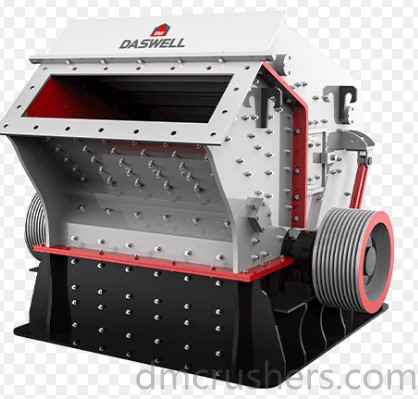
In quarrying, mining, construction, and recycling operations, a Crushing Plant serves as an integrated processing system rather than simply a collection of individual machines. The relationship between feeding, crushing, screening, conveying, stockpiling, and material management determines how effectively raw material moves through the production process. A well-planned system must therefore consider material characteristics, equipment compatibility, process stability, maintenance, safety, and environmental requirements from the beginning.
The first stage of successful plant design is understanding the material to be processed. Natural stone varies in hardness, abrasiveness, moisture, density, and fracture behavior. Recycled construction materials can be even more variable because concrete, masonry, asphalt, soil, metal, wood, and other materials may occur together. These characteristics influence the choice of crushing principle, screening method, feeding arrangement, and wear materials. A process designed around actual feed conditions is generally more practical than one based solely on theoretical production objectives.
Primary crushing is commonly used to reduce larger feed material to a size that can be handled by subsequent processing stages. Secondary or tertiary crushing may then refine the material further depending on the desired product. Screening separates particles according to processing requirements, while conveyors transfer material between stages or to stockpiles. Each part of the system needs to work in coordination. If the screening stage cannot handle the material flow from the crusher, for example, accumulation and recirculation can reduce overall process stability.
DongMeng describes its business as covering both mobile and stationary crushing and screening equipment, with applications extending across mining, gravel processing, finished aggregates, manufactured sand, construction waste recycling, building materials, roads, and bridges. This broad application range demonstrates why plant design needs to begin with the specific material and project rather than relying on one universal configuration.
Feeding consistency has a major influence on plant operation. A vibrating feeder or similar system can regulate material entering the primary crushing stage, helping avoid sudden surges or prolonged periods of insufficient feed. Pre-screening can remove smaller particles before they enter the main crusher, depending on the process design. This can help concentrate the crushing stage on material that actually requires size reduction and improve the coordination between upstream and downstream equipment.
Equipment selection should also consider the relationship between mechanical loading and material behavior. Jaw, impact, cone, and other crushing principles each respond differently to feed characteristics. A jaw-based process may be suitable for certain primary reduction duties, while impact or cone technology may be more appropriate for subsequent stages depending on the required material characteristics. The goal is not to select the most complicated arrangement but to create a process in which each stage performs a clearly defined function.
Wear management is another essential aspect of plant engineering. Components that directly contact abrasive materials can gradually lose material through repeated mechanical interaction. Liners, plates, blow bars, jaw components, and other wear surfaces need to be monitored according to the specific application. Material selection should balance hardness, toughness, and expected stress. Regular inspection can identify uneven wear and help maintenance teams plan replacement work before component condition begins to affect the wider production process.
Plant layout also influences operational efficiency. Equipment should be positioned to create logical material movement while allowing sufficient space for inspection, maintenance, cleaning, and emergency access. Conveyors need appropriate transfer arrangements, and stockpile locations should not interfere with vehicle routes or maintenance activities. The layout should also account for dust, noise, drainage, electrical systems, and safe pedestrian movement.
Safety needs to be incorporated into the plant rather than added after installation. Crushing chambers, conveyors, feeders, screens, rotating components, and stored energy sources can all present hazards. Guards and access controls should prevent unintended entry into dangerous areas. Emergency stop devices should be positioned where operators can reach them when necessary. Lockout and energy-isolation procedures are especially important during maintenance because many components can remain hazardous even when the main system appears to be stopped.
Dust and noise management are increasingly important for both worker protection and environmental responsibility. Material transfer points, crushing areas, screening systems, and stockpiles can generate airborne particles, especially when dry material is processed. Depending on local requirements, appropriate suppression, extraction, enclosure, or ventilation methods may be applied. DongMeng's construction waste processing solutions also emphasize process design, dust treatment, environmental considerations, and resource utilization as parts of integrated processing strategies.
Maintenance planning should cover the entire plant rather than only the primary crusher. Bearings, lubrication systems, conveyors, screens, feeders, structural components, electrical controls, hydraulic systems, and safety equipment all require appropriate inspection. Establishing regular inspection routines can help detect abnormal vibration, temperature changes, loose components, or unusual material flow. Maintenance records can then be used to identify recurring problems and improve future service planning.
Automation and monitoring technologies can further support plant management. Sensors and control systems can provide information about operating conditions, equipment status, and material flow. When this information is combined with physical inspections and experienced operators, it can help identify abnormal conditions and support more systematic maintenance decisions. Automation should serve the process rather than replace engineering judgment, particularly when material characteristics change unexpectedly.
Resource efficiency is another important consideration. A properly coordinated system can reduce unnecessary material movement, repeated handling, and excessive recirculation. Recycling suitable construction and demolition materials can also support a more circular approach to resource utilization. The actual suitability of recycled output depends on material quality and end-use requirements, but thoughtful process design can create opportunities to recover useful materials that might otherwise require disposal.
When planning a Crushing Plant, companies should evaluate material characteristics, process stages, equipment compatibility, feeding, screening, conveying, wear management, safety, maintenance, environmental controls, and future production requirements together. A complete engineering approach can create a more coherent relationship between individual machines and the overall material flow. Organizations reviewing stationary processing solutions can explore https://www.dmcrushers.com/product/stationary-crusher/ for additional reference when developing an integrated crushing and screening strategy.

