


Improving Electrical Distribution Through Capacitive Support
Modern alternating-current power networks contain many inductive loads, including transformers, motors, pumps, compressors, and industrial machinery. These loads require reactive power for electromagnetic operation, but unmanaged reactive demand can increase current flow and influence the utilization of electrical infrastructure. A Shunt Power Capacitor can be incorporated into an appropriate electrical network to provide capacitive reactive support close to the point where compensation is required.
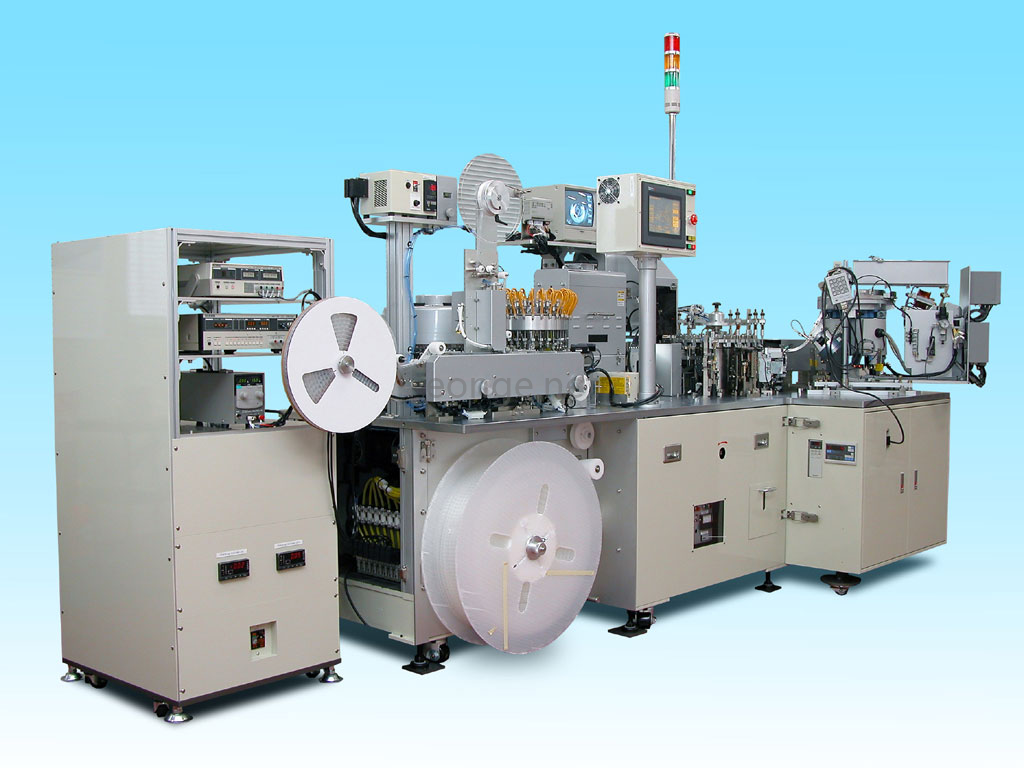
The basic construction of a capacitor relies on dielectric and conductive materials arranged to create the desired electrical characteristics. Capacitor films need consistent thickness and stable insulating properties, while conductive layers must maintain reliable electrical continuity. Manufacturing processes such as film handling, winding, terminal assembly, sealing, and inspection therefore have an important influence on the consistency of finished components.
Material selection should reflect the intended operating environment. Electrical capacitors can experience temperature changes, electrical stress, humidity, vibration, and contamination depending on their installation location. Dielectric materials should maintain appropriate insulating behavior under expected conditions, while protective structures should help limit the effects of environmental exposure. Consistent manufacturing and suitable quality-control procedures can help reduce variation between individual units.
Thermal management is particularly relevant in continuously operating electrical systems. Capacitor units generate heat during operation, and surrounding equipment may contribute additional thermal loading. If heat cannot dissipate effectively, internal temperatures can increase and accelerate material aging. System designers should therefore consider cabinet ventilation, equipment spacing, ambient temperature, and the location of nearby heat-producing components.
Electrical system characteristics must also be evaluated before compensation equipment is installed. Industrial facilities may include nonlinear loads such as variable-frequency drives, rectifiers, and power converters. These devices can produce harmonic currents that interact with capacitive components. A complete network assessment can help determine whether additional filtering or other measures should be considered as part of the overall power-quality strategy.
Switching arrangements are another important consideration. Reactive demand can change according to production schedules, motor loading, and equipment operation. Compensation systems may therefore use switching devices to connect or disconnect capacitor stages according to changing electrical conditions. The control system should be coordinated with the electrical network so that compensation responds appropriately without creating unnecessary switching stress.
Protection is necessary because capacitor components store electrical energy. Appropriate protective equipment can help address abnormal current, internal faults, overheating, and other undesirable conditions. Isolation and discharge procedures are also essential during maintenance. Technicians should verify that equipment is in a safe condition before accessing capacitor terminals or associated conductors.
Installation quality can influence both electrical and mechanical reliability. Terminals should be properly connected, conductors should be routed without excessive mechanical stress, and mounting structures should provide suitable support. Equipment should also be positioned to allow technicians to inspect and service relevant components. Clear identification can make future maintenance more efficient and reduce the risk of confusion between different compensation circuits.
Routine maintenance can include visual inspection, connection checks, enclosure inspection, temperature observation, and evaluation of switching components. Signs such as abnormal heating, physical deformation, damaged terminals, contamination, or repeated protective actions may indicate a need for further investigation. Maintenance records can provide valuable historical information when technicians evaluate changes in operating behavior.
When integrated with suitable protection, switching, thermal management, and maintenance procedures, a Shunt Power Capacitor can support a structured approach to reactive energy management in suitable electrical networks. Companies looking for related electrical components and power-system technologies can explore the product information from Shanghai Yongjin Electric Technology Co.,Ltd. at https://www.eonge.net/product.

