


What Denver Homeowners Should Know About Roof Repair in a High-Altitude Climate
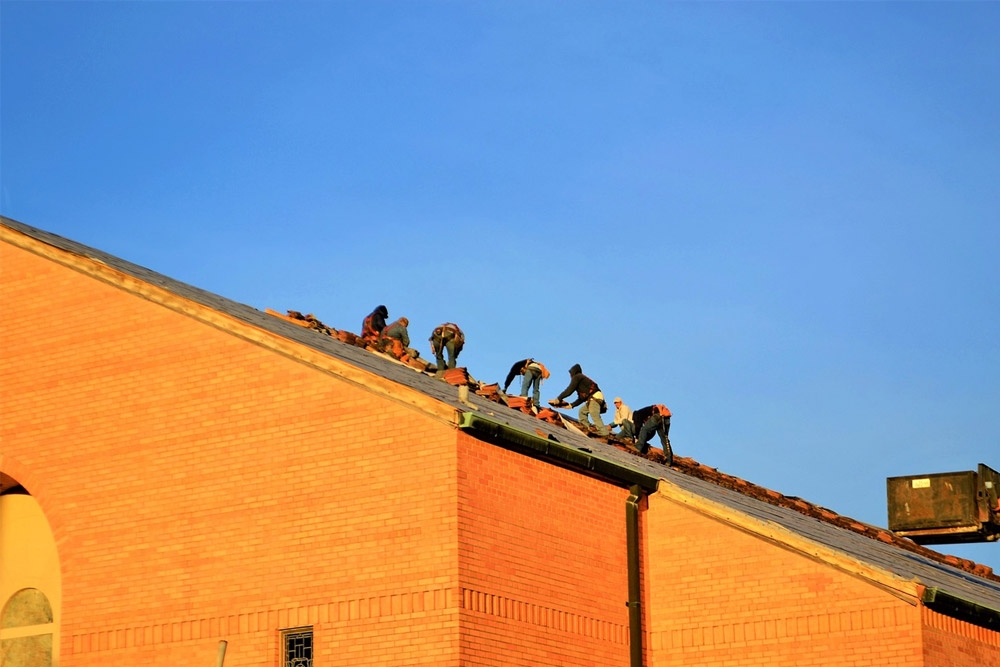
Roof damage is an inevitable part of homeownership, but in Denver, the timeline for that damage tends to move faster than in most other parts of the country. Between intense UV exposure, dramatic temperature swings, seasonal hailstorms, and heavy snow loads, roofing systems across the Front Range face a level of environmental stress that few other U.S. cities experience simultaneously. Understanding the common causes of roof damage, how to recognize early warning signs, and what the repair process typically involves can help property owners make more informed decisions when problems arise.
Why Denver Roofs Wear Down Faster
Denver's elevation, roughly a mile above sea level, means the atmosphere offers less natural filtering of ultraviolet radiation compared to lower-altitude cities. This increased UV exposure accelerates the breakdown of roofing materials, particularly asphalt shingles, which can become brittle and lose granules more quickly than they would in less sun-intensive climates. Over time, this degradation weakens the roof's ability to shed water effectively, creating vulnerabilities that can lead to leaks.
Temperature volatility compounds the problem. It is common for Denver to experience swings of 30 degrees or more within a single day, especially during spring and fall transitional periods. This constant thermal cycling causes roofing materials to expand and contract repeatedly, which places stress on seams, flashing, and fastener points. Over months and years, this cyclical stress can create small gaps or cracks that allow moisture to penetrate the roofing system.
Hail is perhaps the most dramatic contributor to roof damage in the region. The Front Range sits within a zone frequently referred to by insurance professionals as "Hail Alley," which sees some of the highest frequency of significant hail events in the country. A single severe storm can cause immediate, visible damage such as cracked shingles or dented metal flashing, but hail can also cause more subtle bruising that weakens materials without producing obvious signs right away. This is why many roofing problems in Denver trace back to a hailstorm that occurred months or even years earlier.
Recognizing the Signs of Roof Damage
One of the challenges homeowners face is that roof damage is not always visible from the ground. Some warning signs are easier to spot than others. Missing, curling, or cracked shingles are among the most obvious indicators of a roof in distress. Granule loss, which often shows up as gritty debris collecting in gutters or downspouts, signals that the protective coating on asphalt shingles is deteriorating.
Interior signs can be just as telling. Water stains on ceilings or upper walls, peeling paint near the roofline, or a musty smell in attic spaces often indicate that moisture is finding its way through the roofing system. In some cases, homeowners may notice daylight visible through the roof deck when viewed from inside the attic, which is a clear sign that repair work is needed without delay.
After any major weather event, particularly a hailstorm or high-wind episode, a visual inspection of the roofline from the ground, or ideally a professional assessment, can help catch damage before it worsens. Property owners searching for information on Denver roof repair often do so precisely because they've noticed one of these warning signs and want to understand their options before the problem escalates.
The Repair Process: What to Expect
When a roofing professional is brought in to assess damage, the process typically begins with a thorough inspection of both the exterior roofing surface and the interior spaces most likely to show evidence of leaks, such as attics and top-floor ceilings. This inspection helps determine not just where damage has occurred, but how extensive it is and whether it stems from a single event or ongoing wear.
For localized damage, such as a small area of missing shingles or a compromised section of flashing, repairs can often be completed relatively quickly by replacing the affected materials and resealing vulnerable points. Flashing around chimneys, vents, and skylights is a particularly common source of leaks, since these transition points are more prone to seal failure than the broad, uninterrupted areas of a roof.
More extensive damage, such as widespread hail bruising or long-term UV degradation across a large section of the roof, may require a broader repair approach. In some cases, this might involve replacing multiple courses of shingles or addressing underlying decking issues if moisture has penetrated deeply enough to cause rot or structural weakening. A qualified inspector will typically be able to distinguish between damage that can be addressed with targeted repairs versus damage that signals the roof is approaching the end of its serviceable life.
Seasonal Timing Considerations
Weather plays a significant role in when roof repairs can practically be completed in Denver. Many roofing materials, particularly asphalt-based products, require specific temperature ranges to properly seal and adhere. This means that repair work scheduled during the coldest winter months may face limitations, while the warmer months, particularly late spring through early fall, tend to offer more favorable working conditions.
That said, emergency repairs to address active leaks or storm damage are typically not something that can wait for ideal weather. In these situations, temporary measures such as tarping or sealing may be used to prevent further water intrusion until permanent repairs can be scheduled.
Insurance and Documentation
Given the frequency of hail and severe weather events in the region, many roof repairs in Denver involve some degree of insurance claim documentation. Photographing damage as soon as it's discovered, keeping records of storm dates, and obtaining a professional inspection report can all support a smoother claims process. Insurance adjusters often look for specific evidence of storm-related damage, such as hail impact patterns or wind-lifted shingles, which is why a documented professional assessment can be valuable both for repair planning and for insurance purposes.
Final Thoughts
Roof repair needs in Denver are shaped heavily by the region's distinct combination of high-altitude sun exposure, extreme temperature fluctuations, and hail-prone weather patterns. Recognizing early warning signs, understanding the general repair process, and acting promptly after severe weather events can help homeowners avoid more costly structural issues down the line. As with most home maintenance decisions involving the roof, a professional evaluation remains the most reliable way to determine the appropriate scope and timing of repair work for any individual property.

