


Pure Banarasi Saree: Tradition, Silk & Timeless Elegance
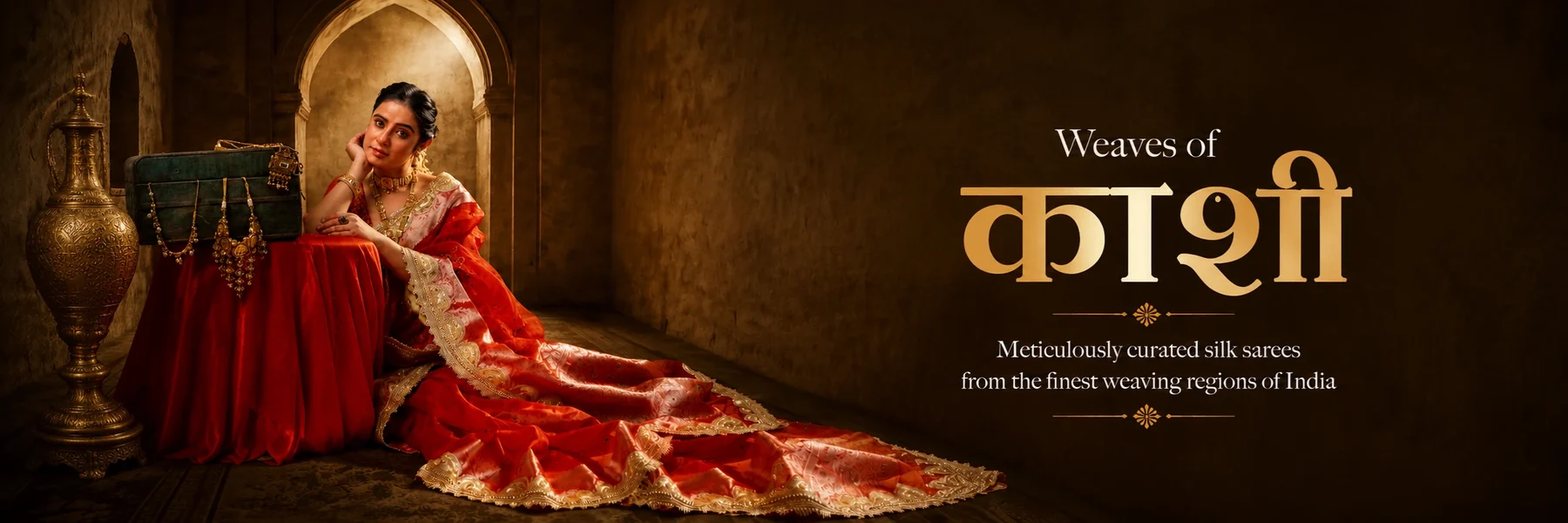
Pure Banarasi Saree: The Beauty of Authentic Banarasi Craft
A saree can be more than an outfit. It can carry the story of a place, the skill of a craftsman, and traditions passed from one generation to another. A Pure Banarasi Saree is a beautiful example of this connection between heritage and fashion.
Known for its rich appearance, intricate patterns, and graceful drape, the Banarasi saree has long been associated with Indian celebrations and special occasions. When made with genuine silk and traditional craftsmanship, it offers a distinctive combination of elegance, texture, and cultural character.
What Makes a Pure Banarasi Saree Special?
The appeal of a Banarasi saree comes from the detailed weaving and the visual richness of its designs. Traditional motifs may include floral patterns, leaves, paisley-inspired elements, geometric details, and intricate borders.
A genuine silk Banarasi saree can have a smooth feel and a naturally luxurious appearance. Its beauty is not simply about shine; the way the fabric falls, reflects light, and holds woven patterns contributes to its overall character.
For buyers, authenticity is an important consideration. Looking at the fabric, weaving details, finishing, product information, and available certification can help when choosing a saree.
Understanding Silk Mark Certification
For customers looking for authentic silk, certification can provide useful reassurance. Silk Mark certification is associated with the authenticity of silk products and helps buyers make a more informed purchasing decision.
A Silk Mark certified collection can be particularly relevant for shoppers who want to distinguish genuine silk products from fabrics that may only have a similar appearance.
When purchasing a Pure Banarasi Saree, it is worth checking:
- Whether the product information clearly identifies the fabric
- Whether applicable silk certification is provided
- Details about the weaving and craftsmanship
- Product photographs from different angles
- Care instructions supplied by the seller
Traditional Motifs That Define Banarasi Sarees
One of the most recognizable features of Banarasi weaving is its detailed decorative work. Motifs are incorporated into the fabric rather than simply printed onto its surface.
Some commonly associated design elements include:
Floral and Botanical Patterns
Flowers, leaves, vines, and other botanical-inspired motifs bring a soft and graceful appearance to Banarasi sarees. These patterns can work beautifully for weddings, festivals, and traditional celebrations.
Paisley-Inspired Designs
Paisley motifs have a strong presence in Indian textile traditions. Their curved forms can create an elegant visual rhythm across the saree or appear as decorative elements within the border and pallu.
Rich Borders and Pallu Designs
The border and pallu often provide some of the most striking details. Intricate weaving can give these areas depth and create a strong finishing touch to the overall saree.
How to Choose the Right Pure Banarasi Saree
Choosing a saree becomes easier when you consider the occasion, personal style, fabric preference, and design.
For Weddings
Wedding celebrations often call for richer colours, elaborate borders, and traditional designs. Deep reds, maroons, pinks, greens, and other rich shades can create a classic festive appearance.
For Festivals
For festivals, you can choose a design that balances traditional detailing with comfortable wear. Brighter colours and elegant motifs can make the saree feel festive without appearing excessively formal.
For Formal Occasions
A more restrained pattern or sophisticated colour combination can work well for formal gatherings. The beauty of Banarasi weaving allows even a relatively simple design to make an impression.
For Gifting
A well-selected Banarasi saree can also make a meaningful gift. Consider the recipient's preferred colours, usual style, and the occasions on which they are likely to wear the saree.
Tips for Identifying a Quality Banarasi Saree
A saree's quality should be assessed through several factors rather than a single feature.
Look carefully at:
- Fabric composition and product description
- Weaving quality and consistency
- Borders and pallu finishing
- Clarity of the motifs
- Overall fabric texture
- Available authenticity or certification information
- Seller transparency regarding the product
It is also helpful to avoid making a purchase based solely on photographs. Clear product information and reliable customer support can make the buying experience more comfortable.
How to Care for Your Banarasi Silk Saree
Silk requires thoughtful handling to preserve its appearance over time. Proper storage and cleaning can help protect both the fabric and its woven details.
Keep these basic practices in mind:
- Follow the care instructions provided with the saree.
- Prefer professional dry cleaning when recommended.
- Avoid prolonged exposure to direct sunlight.
- Store silk sarees in a clean, dry place.
- Refold the saree periodically to reduce permanent fold marks.
- Avoid storing it in damp conditions.
- Keep heavy jewellery or sharp objects away from delicate fabric.
Good care is especially important for sarees that are reserved for weddings, festivals, and other occasional wear.
Why Banarasi Sarees Remain Relevant Today
Traditional Indian clothing continues to evolve, but craftsmanship remains an important part of its appeal. Banarasi sarees can be styled traditionally or incorporated into more contemporary wardrobes.
A saree can be paired with a classic blouse for a traditional appearance or styled with a simpler blouse and modern accessories for a more contemporary look. The versatility of the fabric makes it suitable for different generations and occasions.
The enduring appeal of Banarasi textiles comes from this balance: the craftsmanship remains rooted in tradition while the way people wear and style the saree continues to change.
FAQs About Pure Banarasi Sarees
1. What is a Pure Banarasi Saree?
A Pure Banarasi Saree refers to a Banarasi saree made with genuine silk, with its distinctive appearance coming from traditional weaving and detailed design work. Buyers should always check the product's fabric information and authenticity details.
2. How can I check whether a Banarasi saree is made from pure silk?
Check the stated fabric composition and look for relevant authenticity or certification information, such as Silk Mark certification where applicable. Purchasing from a transparent seller can also make it easier to verify product details.
3. Are Banarasi sarees suitable for weddings?
Yes. Their rich weaving, decorative borders, and traditional designs make Banarasi sarees a popular choice for weddings and other important celebrations.
4. How should a Banarasi silk saree be stored?
Store it in a clean, dry environment away from direct sunlight and moisture. Follow the manufacturer's care instructions and use professional cleaning when recommended.
5. Can Banarasi sarees be worn for occasions other than weddings?
Absolutely. Depending on the design and styling, Banarasi sarees can be worn for festivals, family celebrations, formal events, cultural occasions, and other gatherings.
For those looking for authentic silk craftsmanship, Banarasi Hub offers a collection presented as Silk Mark certified, with free shipping across India, dedicated customer support, and secure payment options. Visit https://banarasihub.com/ to explore the available sarees. For assistance, email banarasihubofficial@gmail.com, call +91 93356 31424, or start a WhatsApp conversation. You can also connect through Facebook (https://www.facebook.com/BanarasihubOfficial/) and Instagram (https://www.instagram.com/banarasihub_official/).
A Pure Banarasi Saree brings together heritage, craftsmanship, and timeless style in a single piece of clothing. With attention to authenticity, quality, care, and personal style, it can remain a meaningful part of a wardrobe for years to come.

