


Does a Laser Metal Cleaner Transform Modern Surface Preparation
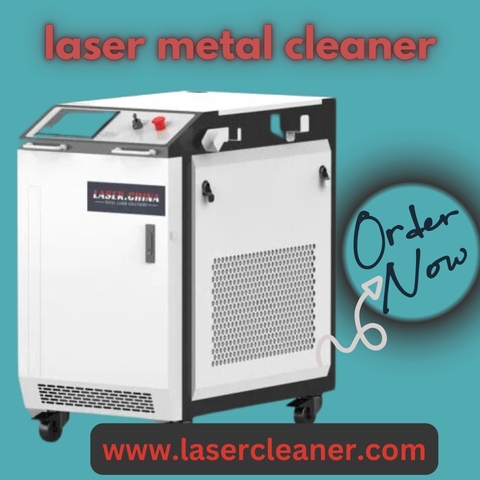
Metal surface preparation is an important part of manufacturing, maintenance, repair, and restoration. Before painting, welding, coating, or finishing, metal surfaces often need to be cleared of rust, oxidation, oil, grease, paint, and other unwanted materials. Traditional cleaning methods can require chemicals, abrasive materials, or considerable manual effort. Modern laser technology provides another approach through precisely controlled laser energy.
A laser metal cleaner is designed to remove contaminants from metal surfaces without relying on conventional abrasive cleaning processes. By directing a focused laser beam onto the surface, the system can separate unwanted material from the underlying metal. This makes laser cleaning increasingly relevant to workshops, factories, automotive facilities, fabrication companies, and maintenance operations.
What Is a Laser Metal Cleaner?
A laser metal cleaner is a specialized industrial machine that uses concentrated laser energy to clean metal surfaces. The laser interacts primarily with the unwanted layer, such as rust, paint, oxide, dirt, or residue. When the energy reaches the contaminant, it can cause the material to evaporate, break apart, or detach from the metal surface.
The process is controlled through settings such as laser power, scanning speed, frequency, and beam movement. Operators can adjust these parameters according to the material being cleaned and the type of contamination present.
Unlike processes that physically grind a surface, laser cleaning works through controlled energy rather than direct mechanical contact. This allows operators to approach detailed components, edges, joints, and other areas where conventional cleaning may be difficult.
How Laser Cleaning Works on Metal
The cleaning process begins when the laser beam is directed toward the contaminated surface. The unwanted layer absorbs laser energy differently from the underlying metal. With suitable settings, this difference allows the contamination to be removed while minimizing interaction with the base material.
As the laser scans across the surface, contaminants are progressively removed. Depending on the application, the material may be converted into vapor or broken into particles that can then be collected with appropriate extraction equipment.
The operator needs to select suitable parameters before starting the job. Metal type, coating thickness, contamination level, surface condition, and desired finish can all influence the cleaning process.
Removing Rust From Metal Surfaces
Rust removal is one of the most common applications for laser cleaning equipment. Steel components exposed to moisture and oxygen can develop oxidation that affects appearance and surface condition.
A laser metal cleaner can be used to target rust layers on components such as steel frames, machine parts, tools, automotive components, pipes, and fabricated structures. The operator can control the cleaning intensity to match the condition of the surface.
For restoration work, controlled cleaning is particularly useful because the objective may be to remove corrosion while maintaining the original shape and details of the component.
Cleaning Paint and Coatings
Industrial metal parts may require paint removal before repainting, welding, inspection, or refurbishment. Traditional paint stripping can involve chemical products or abrasive blasting.
Laser cleaning provides a controlled alternative for removing selected coatings from metal surfaces. The laser parameters can be adjusted according to the coating and substrate.
This approach can be useful when only a particular area needs to be stripped. For example, manufacturers may need to expose a small section of a painted component for inspection, welding, electrical grounding, or repair without processing the entire part.
Removing Oil, Grease, and Industrial Residue
Metal components used in manufacturing frequently accumulate oil, grease, dust, carbon deposits, and production residue. Cleaning these contaminants is often necessary before assembly, welding, coating, or inspection.
A laser metal cleaner can be configured for suitable surface-cleaning applications where the contaminant can absorb the laser energy effectively. The ability to direct the cleaning beam precisely makes the technology suitable for individual components as well as selected areas of larger structures.
Proper parameter selection remains essential because different contaminants respond differently to laser energy.
Applications in Manufacturing
Manufacturing companies often need consistent surface preparation throughout their production processes. Laser cleaning can be incorporated into workflows involving metal fabrication, automotive components, machinery, tooling, and industrial equipment.
Before welding, surfaces may need to be free from coatings, oxidation, or residue. Cleaning can also be required before applying a new coating or conducting quality inspections.
The equipment can be configured for different production requirements, from handheld systems used for flexible workshop tasks to automated systems integrated into production lines.
Laser Cleaning for Welding Preparation
Clean surfaces are important for many welding applications. Rust, paint, oil, and oxidation can interfere with surface preparation and may affect the welding process.
A laser metal cleaner can be used before welding to prepare specific sections of metal. Operators can direct the beam along the area that requires treatment, making it possible to prepare localized sections rather than cleaning an entire component.
This can be especially useful in repair workshops where components have different sizes, shapes, and contamination levels.
Restoration and Maintenance Work
Industrial machinery and metal structures require regular maintenance to remain in usable condition. Over time, corrosion, paint buildup, and environmental contamination can make inspection and restoration more difficult.
Laser cleaning can support maintenance teams by exposing the original metal surface for closer examination. Removing accumulated layers can help technicians inspect welds, edges, joints, and other areas that may otherwise be hidden beneath contamination.
In restoration projects, controlled cleaning is also valuable when preserving fine surface details is important.
Choosing the Right Laser Metal Cleaner
Selecting equipment should begin with the intended application rather than simply looking at laser power. Different jobs require different operating parameters.
Important considerations include the type of metal, contamination being removed, thickness of the contaminant, size of the working area, cleaning speed, portability, and operating environment.
For occasional maintenance and repair work, a portable system may provide practical flexibility. Larger manufacturing operations may require higher-output equipment or automated integration.
It is also important to consider the available laser source, scanning system, controls, extraction arrangements, and operator safety requirements.
Operating and Safety Considerations
Laser cleaning equipment must be operated according to the manufacturer's safety instructions. Industrial cleaning lasers can present serious eye and skin hazards, so appropriate protective measures are essential.
The work area should be organized according to the equipment's laser classification and workplace requirements. Operators should receive appropriate training and use the specified protective equipment.
Building a Professional Metal Cleaning Workflow
For businesses considering laser cleaning, establishing a consistent workflow can help achieve repeatable results. Start by identifying the material and contamination, then test suitable settings on a small area.
The operator can gradually adjust scanning speed, power, frequency, and other parameters until the desired cleaning result is achieved. Once suitable settings have been established, they can be documented for similar components.
Regular maintenance of the laser system and cleaning accessories is also important. Keeping lenses, protective components, and other equipment parts in suitable condition supports reliable operation.
Where Laser Metal Cleaning Is Heading
As industries continue to look for more controlled surface-preparation methods, laser cleaning is becoming increasingly relevant to metalworking and maintenance applications. Improvements in laser sources, scanning technology, controls, and automation are expanding the range of tasks that can be performed.
Portable systems are helping workshops address on-site cleaning requirements, while automated solutions can support repeatable industrial production processes. The technology can therefore fit different operating environments depending on the required cleaning application.
Final Thoughts
A laser metal cleaner offers a modern approach to preparing and maintaining metal surfaces. From rust and paint removal to industrial residue cleaning, welding preparation, and restoration work, laser technology can be adapted to a wide range of applications.

