


How to Choose a GPS Tracker for CNG in Bangladesh
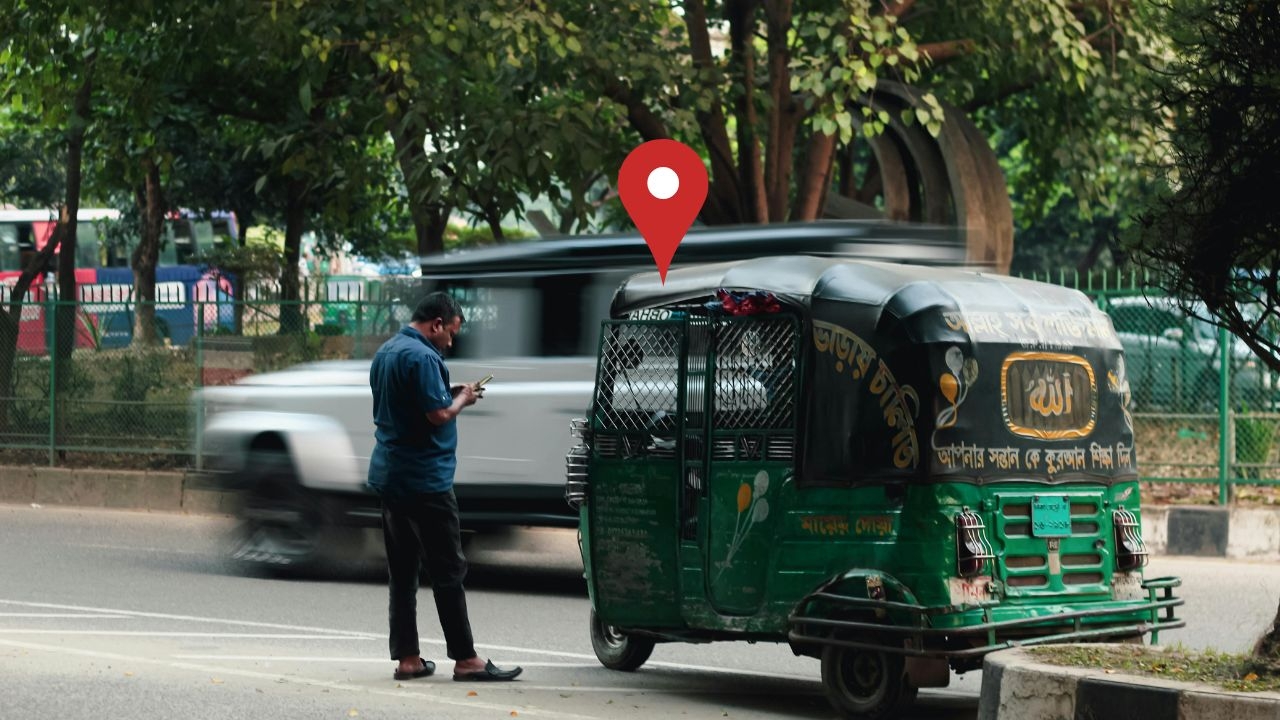
Choosing the right GPS tracker can make CNG ownership and operation easier, safer, and more manageable. GPS Tracking for CNGs helps owners monitor vehicle locations, review routes, receive security alerts, and understand driving activity. With several tracking devices available in Bangladesh, knowing which features matter most can help you choose a suitable solution.
Why Should You Use a GPS Tracker for a CNG?
CNGs are widely used for daily transportation in Bangladesh, particularly in busy urban areas. Whether you own a single CNG or manage several vehicles, keeping track of where each vehicle is operating can be challenging without technology.
A GPS tracker uses satellite positioning and mobile networks to provide location-related information. Depending on the device and service, owners can access live vehicle locations, route history, trip information, speed data, and security alerts through a mobile app or web platform.
For individual owners, a tracker can provide additional visibility when a vehicle is being used by another driver. For fleet operators, it can become a useful management tool for monitoring multiple CNGs from one platform.
Key Features to Look for in a CNG GPS Tracker
Not every GPS tracker offers the same features. Before purchasing a device, consider what information you actually need and how you intend to use it.
1. Real-Time Location Tracking
Real-time location tracking should be one of the first features to check. It allows you to see the approximate current position of your CNG through an app or online dashboard.
For example, if a driver is operating the vehicle across Dhaka, an owner can check its current location without calling the driver repeatedly. This can be particularly useful for fleet operators who need visibility across several vehicles.
When comparing devices, look at how frequently the location is updated and whether the tracking platform provides clear map information.
2. Route History
Live location tells you where the CNG is now, but route history shows where it has been.
A good tracking platform should allow users to review previous journeys over a selected period. This can help owners understand:
-
Which roads the CNG travelled
-
Approximate journey duration
-
Starting and stopping locations
-
Frequently visited areas
-
Unusual route changes
-
Vehicle activity during specific periods
Route history can also help fleet managers understand how vehicles are being used throughout the day.
3. Theft and Security Alerts
Security is another important reason to consider a GPS tracker. A suitable device may provide alerts when unusual vehicle activity is detected.
Depending on the model and platform, alerts can include unauthorized movement, ignition activity, power disconnection, or movement outside a defined area.
These notifications can help an owner respond quickly when something appears unusual. However, a GPS tracker should be considered a monitoring and alerting tool rather than a guarantee against theft.
When comparing products, check exactly which security alerts are supported instead of assuming that every tracker offers the same protection.
4. Geofencing
Geofencing allows you to create a virtual boundary around a particular geographic area.
For example, you could create a geofence around a garage, operating zone, office, or another location. If the CNG enters or leaves that area, the tracking system may send an alert.
This feature can be useful for fleet management because managers can establish predefined operating zones and identify activity outside those boundaries.
5. Speed Monitoring
Speed monitoring provides information about how a vehicle is being driven.
A GPS tracking platform may allow you to review current or historical speed information and, depending on the system, receive an alert when a configured speed threshold is exceeded.
For fleet operators, this information can support safer driving practices. Instead of relying only on verbal reports from drivers, managers can use tracking records to identify repeated speeding events or unusual driving patterns.
The goal should be better monitoring and safer vehicle operation, rather than simply collecting large amounts of data.
6. Trip Tracking
Trip tracking provides a more organized view of individual journeys.
A tracking platform may record information such as:
-
Trip start time
-
Trip end time
-
Distance travelled
-
Starting location
-
Destination or stopping points
-
Travel duration
-
Route taken
This can make daily vehicle activity easier to understand. For owners who manage several CNGs, trip information can also reduce the need to manually track vehicle movements.
7. Mobile App Access
A GPS tracker is much more useful when the information is easy to access.
Look for a provider that offers a reliable mobile app for Android or iOS, depending on your requirements. The app should ideally make it simple to view the vehicle location, check alerts, review history, and manage multiple vehicles.
Before selecting a service, consider whether the interface is easy to understand. A tracker with many technical features may still be inconvenient if the application is difficult to use.
Consider GPS Tracking for CNGs With Fleet Management Features
If you operate multiple CNGs, fleet management features become especially important.
Instead of checking each vehicle separately, a fleet tracking platform can provide information about multiple vehicles from a centralized dashboard. This can help businesses monitor vehicle locations, routes, trips, and driver activity.
For example, a CNG fleet operator may want to know:
-
Which vehicles are currently active
-
Where each vehicle is located
-
Which vehicles have stopped for long periods
-
How much distance each vehicle has travelled
-
Whether vehicles are operating outside expected areas
-
Which vehicles require attention
Fleet management can turn GPS tracking from a simple location tool into a broader vehicle-management system.
Check the GPS and Mobile Network Performance
A GPS tracker depends on positioning technology to determine location, while cellular connectivity is commonly used to transmit information to the tracking platform.
Therefore, when selecting a device in Bangladesh, consider the GPS sensitivity, cellular network compatibility, and coverage offered by the service.
A tracker may perform differently depending on the vehicle's surroundings. Dense buildings, underground locations, enclosed structures, or other environmental conditions can sometimes affect positioning or connectivity.
Ask the provider how the device communicates and which mobile network technology or SIM arrangement it uses.
Consider Installation Requirements
Installation is another factor that should not be overlooked.
Some trackers are designed for professional installation and may connect to the vehicle's electrical system. Others may have different installation methods depending on their design.
Before buying, ask:
-
Where will the tracker be installed?
-
Does professional installation come with the service?
-
Does it require connection to the vehicle's power system?
-
What happens if the vehicle battery is disconnected?
-
Is there a backup battery?
-
Can the device be installed discreetly?
-
Will installation affect the vehicle's electrical system?
A properly installed device is important for reliable operation. Avoid making electrical modifications without appropriate technical knowledge.
Check Power and Backup Battery Features
A tracker needs a reliable power source to operate consistently.
Some vehicle trackers are connected directly to the CNG's electrical system, while certain models may include a backup battery. A backup battery can be useful if the primary power connection is interrupted.
When comparing trackers, ask about normal power consumption, backup battery duration, low-power behavior, and power-cut alerts.
These details can be particularly relevant for a vehicle that remains parked for extended periods.
Look at the Tracking Platform and Data History
The physical device is only one part of a GPS tracking system. The software platform is equally important.
A good platform should present tracking information clearly rather than overwhelming the user with unnecessary technical data.
Look for features such as:
-
Live map view
-
Historical route playback
-
Trip reports
-
Alert notifications
-
Geofence management
-
Speed reports
-
Multiple vehicle management
-
User accounts and permissions
-
Data export or reporting options
Also check how long historical information is retained. If you need to review vehicle activity from previous weeks or months, data retention can become an important consideration.
Evaluate Alerts Carefully
Notifications can be one of the most useful parts of a tracking system, but excessive alerts can become difficult to manage.
Before selecting a service, find out which alerts can be customized. Useful options may include:
Geofence alerts: Notify you when the CNG enters or exits a defined area.
Speed alerts: Notify you when the vehicle exceeds a configured speed.
Ignition alerts: Provide information about vehicle ignition activity when supported.
Power-cut alerts: Notify you when the tracker detects an interruption in its primary power connection.
Movement alerts: Provide notifications when a vehicle moves unexpectedly.
Customization lets you focus on alerts that are relevant to your particular vehicle or fleet.
Consider the Mobile App Experience
Many CNG owners will primarily interact with the tracking system through a smartphone. Therefore, the quality of the mobile application matters.
Before subscribing, ask whether you can see a demonstration of the app. Check whether the location map loads properly, whether alerts are easy to understand, and whether historical trips are simple to access.
If multiple family members, managers, or employees need access, also check whether the system supports multiple users and appropriate account permissions.
Compare Subscription and Ongoing Costs
The purchase price of a GPS tracker is only part of the total cost.
Many tracking services require an ongoing subscription for SIM connectivity, cloud storage, software access, or other services. Therefore, compare the total cost of ownership, not just the device price.
Ask the provider about:
-
Device price
-
Installation charges
-
Monthly or yearly service fees
-
SIM or connectivity charges
-
Software access
-
Data retention
-
Warranty
-
Technical support
-
Replacement or repair costs
A lower initial price does not necessarily mean lower long-term expenses.
Check Customer Support and Warranty
GPS tracking involves both hardware and software, so customer support can be important.
Before choosing a provider, check whether support is available when you need assistance with installation, connectivity, app access, or device troubleshooting.
Also review the warranty terms carefully. Find out what is covered, how long the warranty lasts, and what happens if the tracker stops working.
A provider such as iTracker may offer tracking solutions designed around vehicle monitoring, but customers should still compare the actual device specifications, platform features, support, and pricing before making a decision.
Privacy and Responsible Tracking
GPS tracking provides useful information, but it should be used responsibly.
If a CNG is operated by employees or hired drivers, businesses should establish clear policies regarding vehicle monitoring and explain how tracking information is used. Access to tracking data should also be limited to people who genuinely need it.
Responsible tracking means balancing vehicle security and operational visibility with appropriate privacy practices.
How to Choose the Right GPS Tracker for Your CNG
A simple way to compare different options is to create a checklist based on your needs.
For a single CNG owner, essential features may include real-time location, route history, security alerts, mobile access, and reliable installation.
For a business operating several CNGs, you may also need fleet management, multiple-user access, detailed reports, geofencing, speed monitoring, and longer data history.
Before purchasing, ask the provider to demonstrate the actual tracking platform. Seeing the application and reports in practice can help you determine whether the system is suitable for your daily requirements.
It is also useful to confirm whether the advertised features are included in the standard subscription or require additional charges.
Why GPS Tracking Can Be a Practical Tool for CNG Owners
The main advantage of GPS tracking is visibility. Instead of relying entirely on phone calls or manual records, owners can use digital information to understand where their vehicles are and how they are being operated.
For CNG owners and operators, GPS Tracking for CNGs can support several practical activities, including monitoring daily routes, reviewing trip history, receiving alerts, managing multiple vehicles, and improving operational oversight.
The technology does not replace responsible vehicle management, but it can provide useful information for making day-to-day decisions.
Final Checklist Before Buying
Before selecting a CNG GPS tracker in Bangladesh, review the following points:
-
Real-time location tracking
-
Reliable route history
-
Geofencing
-
Theft and security alerts
-
Speed monitoring
-
Trip tracking
-
Mobile app access
-
Fleet management capability
-
Suitable GPS and network performance
-
Professional installation options
-
Backup power or battery
-
Data retention
-
Customer support
-
Warranty coverage
-
Subscription and installation costs
-
Privacy and user-access controls
The right combination depends on how you use your CNG, whether you operate one vehicle or a fleet, and which information you actually need.
Conclusion
Choosing a suitable GPS Tracking for CNGs solution means looking beyond the device price and comparing tracking, security, reporting, installation, connectivity, and support. A solution such as iTracker can be considered alongside other available options, based on your specific monitoring requirements, budget, and operational needs.

