


What Buyers Should Consider When Selecting Industrial Shaft Systems
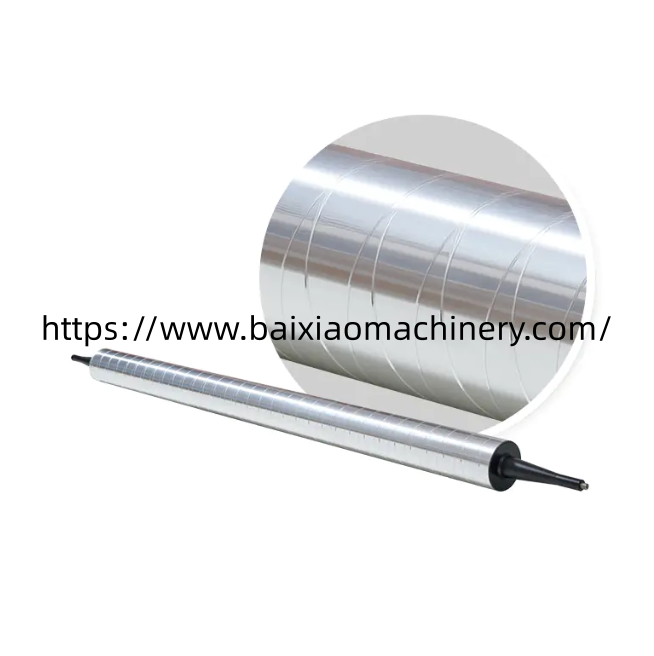
In continuous production environments, the way a material roll is supported can influence the stability of the entire processing line. An Air Shaft uses an expandable gripping mechanism to engage a roll core, helping operators secure and release materials during winding and unwinding. Its practical value depends on how the shaft interacts with the core, machine structure, and material being processed, making application-specific selection essential.
Material choice affects the shaft's strength, handling characteristics, and suitability for different operating conditions. Steel is commonly used where a robust structural body is required, while aluminum can be useful when a lighter assembly is preferred. Other components, including expansion elements and contact surfaces, may use elastomers or other materials selected for their role. Buyers should consider the full construction rather than judging the shaft by its main body alone.
Surface condition and material compatibility are also important. The shaft must engage the roll core effectively without causing unnecessary damage or instability. Corrosion, residue, wear, and surface irregularities may influence how components perform during repeated production cycles. In environments where moisture, adhesives, or processing debris are present, buyers should ask about suitable finishes, cleaning practices, and inspection requirements.
Selecting a shaft begins with understanding the production process. Printing, slitting, laminating, coating, bag making, and paper converting may involve different material types and roll-handling requirements. Procurement teams should explain the machine configuration, core construction, loading method, and expected production workflow to the supplier. This information helps identify a compatible shaft design and reduces the likelihood of installation problems or inefficient changeovers.
The expansion mechanism is central to how the component works. In a pneumatic design, supplied air activates the internal mechanism so that gripping elements engage the core. Releasing the air allows the mechanism to retract, making roll removal more convenient. Different designs use keys, lugs, slats, or other expanding structures. The appropriate arrangement depends on the core, the material being handled, and the requirements of the surrounding machine.
Gripping consistency matters because the roll must remain securely supported as the production line operates. If engagement is unsuitable, the core may slip, become distorted, or fail to transfer motion as intended. The shaft should therefore be selected in relation to the core material and the operating conditions rather than through appearance alone. Buyers should also confirm that the gripping mechanism is compatible with the machine's drive and tension-control arrangements.
Integration with existing equipment is another key purchasing consideration. Mounting points, bearing supports, drive connections, and available space can affect whether a shaft fits correctly into a production line. A replacement component may need to match an established machine layout, while a new project may allow more flexibility in design. Sharing drawings or clear installation details with the manufacturer can help resolve compatibility questions before production begins.
Operational convenience influences the experience of machine operators. A suitable shaft can make roll changes more straightforward by allowing the core to be secured and released without complicated manual adjustment. Clear operating procedures, accessible air connections, and sensible handling arrangements can reduce unnecessary steps during routine work. Training remains important because operators need to understand the correct procedure and recognize signs of wear or malfunction.
Maintenance planning should be part of the selection process. Expansion components, seals, valves, and moving elements may require inspection according to the product design and operating environment. Dust and adhesive residue can interfere with mechanical movement if they accumulate around working parts. Buyers should ask about maintenance access, replacement components, repair options, and recommended inspection practices so that service needs can be planned around production schedules.
Design details also influence practical performance. The arrangement of expansion elements affects how the shaft contacts the core, while the body structure determines how the assembly fits into the machine. Smooth surfaces, well-finished connections, and organized pneumatic fittings can make the component easier to inspect and handle. A clean appearance is useful, but it should be considered alongside functional construction, material quality, and appropriate manufacturing checks.
Customization can be valuable when standard designs do not match a particular production requirement. Shaft manufacturers may need to consider the roll core, material sensitivity, mounting arrangement, loading procedure, and working environment together. Clear communication during development helps align mechanical design with production needs. Sample evaluation and technical discussion can also help identify potential issues before a customized component enters regular service.
Ruian Baixiao Machinery Co., Ltd., based in Zhejiang Province, manufactures air shafts and other mechanical components for printing, packaging, plastics, and paper-processing equipment. Its product range includes pneumatic shafts, rollers, and related components used in roll-handling applications. Businesses evaluating a supplier can discuss material options, shaft construction, installation compatibility, customization, and after-sales support to determine whether a product suits their machinery.
The shaft should also be considered as part of the wider web-handling system, where rollers, brakes, tension controls, and material guidance work together. Changes in the processed material or production method may affect how the shaft performs within that system. Reviewing these connections with equipment and maintenance teams can help buyers identify suitable replacement or upgrade options. Further information about Ruian Baixiao Machinery Co., Ltd.'s products is available at https://www.baixiaomachinery.com/

