


Why Is a KFT Test Important for Early Detection of Kidney Problems?
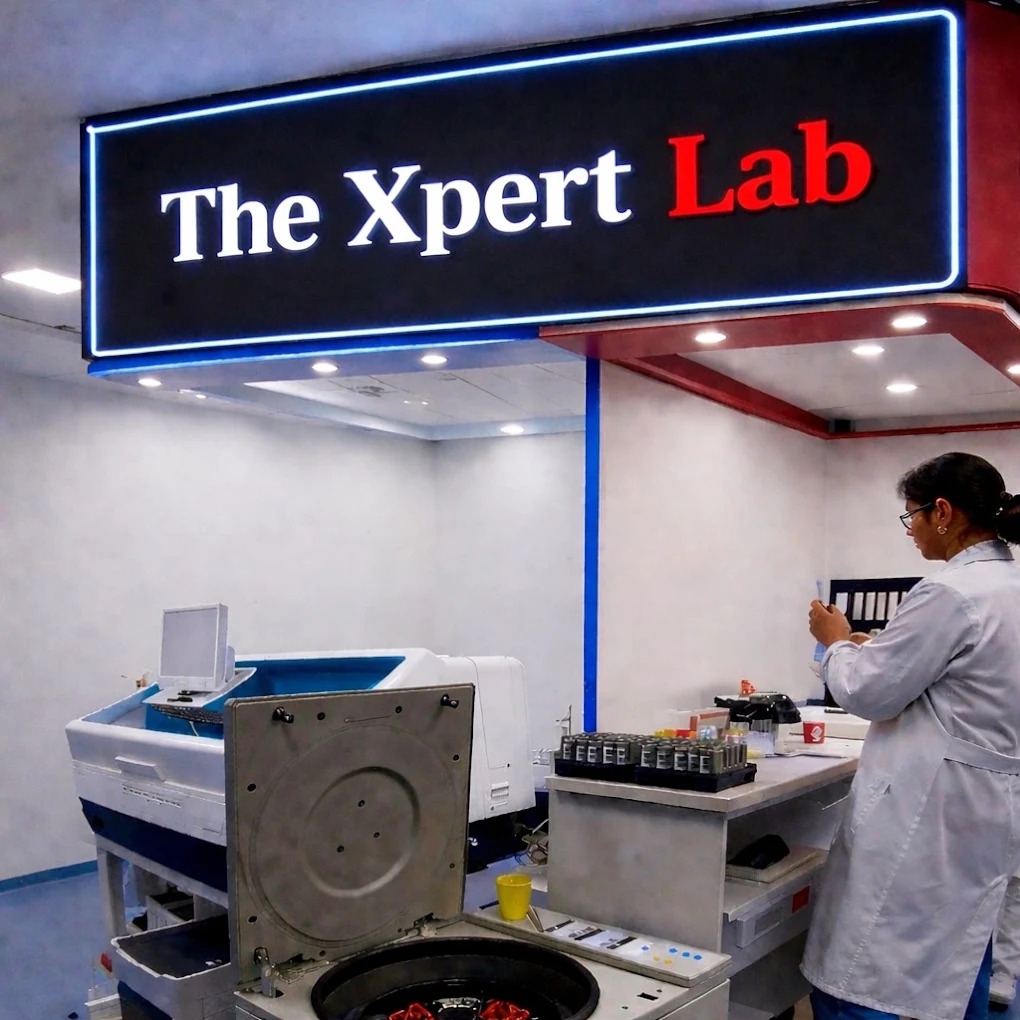
Kidneys play an essential role in maintaining overall health by filtering waste products, removing excess fluids, and balancing minerals in the body. However, kidney-related problems can develop gradually without showing noticeable symptoms during the early stages. A Thyroid TSH Test in Delhi is useful for evaluating thyroid health, while kidney-specific investigations help assess how effectively your kidneys are functioning. Understanding the importance of a Kidney Function Test (KFT) can help individuals identify potential kidney concerns early and seek appropriate medical guidance.
What Is a Kidney Function Test (KFT)?
A Kidney Function Test (KFT) is a group of blood and sometimes urine investigations used to evaluate kidney health. These tests measure different substances in the body that provide information about how effectively the kidneys filter waste and maintain fluid and mineral balance.
Common parameters included in kidney function testing are:
-
Serum Creatinine: Measures creatinine levels in the blood, which can help assess kidney filtration.
-
Blood Urea: Measures urea levels, a waste product produced when the body breaks down proteins.
-
Blood Urea Nitrogen (BUN): Evaluates the nitrogen component of urea in the bloodstream.
-
Uric Acid: Measures uric acid levels, which may be associated with certain kidney and metabolic conditions.
-
Electrolytes: Sodium and potassium measurements help evaluate mineral balance.
Doctors may also recommend urine albumin testing and an estimated Glomerular Filtration Rate (eGFR) to obtain a better understanding of kidney function.
Why Is a KFT Test Important for Early Detection?
Kidney diseases are sometimes called silent conditions because significant kidney damage may occur before obvious symptoms develop. Regular testing can help identify abnormalities that require further medical evaluation.
Here are some important benefits of KFT testing:
1. Identifies Early Changes in Kidney Function
Changes in creatinine levels and eGFR can provide important information about kidney filtration. Identifying abnormalities early allows doctors to investigate possible causes and recommend suitable management.
2. Helps Monitor Diabetes-Related Kidney Problems
People living with diabetes have a higher risk of developing kidney complications. Regular kidney assessments can help identify early signs of diabetic kidney disease.
3. Supports Blood Pressure Management
High blood pressure can damage kidney blood vessels over time. Similarly, kidney disease can contribute to increased blood pressure. KFT and other recommended investigations help doctors monitor this relationship.
4. Evaluates Fluid and Mineral Balance
The kidneys regulate important minerals, including sodium and potassium. Kidney dysfunction may affect these levels and disturb the body's normal balance.
5. Helps Monitor Existing Kidney Conditions
People diagnosed with kidney disease may require regular testing to monitor changes in kidney function and evaluate their response to treatment.
Who Should Consider a Kidney Function Test?
Although kidney testing can be recommended for different individuals, certain groups may require more frequent monitoring.
These include:
-
People living with diabetes.
-
Individuals with high blood pressure.
-
People with a family history of kidney disease.
-
Individuals with existing kidney-related conditions.
-
People taking certain medications that may affect kidney function.
-
Individuals experiencing unexplained swelling, changes in urination, or persistent fatigue.
The frequency of testing should depend on individual risk factors and medical advice.
Common Signs That May Indicate Kidney Problems
Early kidney disease may not produce noticeable symptoms. However, some signs can indicate that medical evaluation is necessary.
Watch for symptoms such as:
-
Swelling around the ankles, feet, or face.
-
Changes in urine colour or frequency.
-
Persistent tiredness and weakness.
-
Difficulty concentrating.
-
Loss of appetite.
-
Muscle cramps.
-
Persistent itching.
These symptoms can occur due to several health conditions, so they should not automatically be considered signs of kidney disease. Consult a healthcare professional for proper evaluation.
How to Prepare for a KFT Test?
Preparation depends on the specific tests included in your kidney function profile.
Follow these general recommendations:
-
Ask your doctor whether fasting is required.
-
Inform the healthcare professional about your medications and supplements.
-
Follow instructions regarding food and water intake.
-
Share your medical history before sample collection.
-
Carry previous kidney function reports if you are undergoing follow-up testing.
Other Important Blood Tests for Preventive Healthcare
Kidney health is one part of maintaining overall wellness. Doctors may recommend additional investigations based on symptoms, age, and medical history. For example, a Vitamin D3 Test in Delhi helps measure vitamin D levels, which are important for calcium absorption, bone strength, and muscle function.
Similarly, thyroid investigations may help identify hormonal imbalances that affect metabolism and energy levels. Appropriate testing can provide useful information about different aspects of your health.
Make Kidney Health Monitoring a Priority
Taking care of your kidneys requires healthy lifestyle habits, regular medical consultations, and appropriate diagnostic testing. The Xpert Lab offers diagnostic testing services to support individuals in monitoring their health. Depending on your medical requirements, you can explore a Kidney Function Test, KFT in Delhi to assess kidney-related parameters and a Liver Function Test, LFT in Delhi to evaluate liver health. Consult qualified healthcare professionals, understand your test results, and take timely steps towards better long-term health.

