


How Facial Massage Creams Are Transforming the Beauty and Wellness Industry
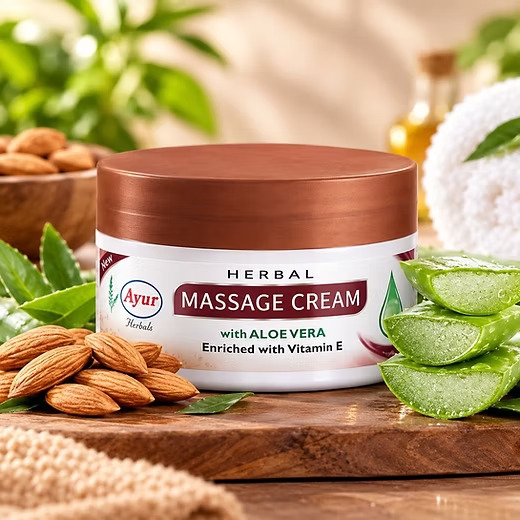
Facial Massage Cream Market activity is closely connected to changing beauty routines, professional skincare services, and consumer interest in self-care. Facial massage creams are developed to provide a smooth surface for massage movements while helping reduce friction between the hands or tools and the skin. These products may be used at home or during treatments offered by salons and spas. Consumers increasingly compare skincare products according to their texture, ingredient profile, fragrance, and ease of use. Manufacturers are responding by developing formulations that serve different preferences and fit a wider range of personal care routines.
The demand for professional facial massage skincare products highlights the importance of products that perform consistently in both home and salon environments. Professional users may need creams that spread evenly, maintain suitable slip during treatment, and can be removed comfortably afterward. Individual consumers may prioritize convenient packaging and a pleasant application experience. These different requirements influence formulation choices, container sizes, and product positioning. Brands that understand the needs of professional practitioners and household users can develop more relevant product ranges while explaining how each formulation is intended to be used.
Beauty salons and spas provide a practical setting for facial massage creams. During facial treatments, professionals may use these products to support massage movements as part of a broader skincare service. A suitable cream can help maintain smooth application without requiring excessive reapplication. Professionals may also consider whether a product is compatible with the other cosmetics used during a treatment. Packaging matters because dispensers and containers need to support convenient, hygienic use in busy environments. Manufacturers can strengthen professional relationships by providing clear instructions, consistent product specifications, and formats suitable for repeated application.
At-home skincare is another important area of consumer interest. People may use facial massage as part of a personal care routine involving cleansing, moisturizing, and other cosmetic products. Social media demonstrations and beauty tutorials have made different massage techniques more accessible, although consumers should be cautious about unrealistic claims associated with particular routines. Brands can provide simple guidance on applying creams without excessive pressure or irritating the skin. Product instructions should explain the intended amount, application method, and removal process. Clear advice helps consumers develop realistic expectations and use products more comfortably.
Formulation innovation can help brands differentiate themselves in a competitive beauty environment. Manufacturers may explore lightweight creams, richer textures, fragrance-free options, or formulations designed for particular skin preferences. Ingredients are selected according to their cosmetic functions, stability, sensory qualities, and compatibility with the complete formulation. A product's suitability cannot be determined by one ingredient alone because the concentration and combination of components also matter. Companies should conduct appropriate quality and safety assessments and provide transparent ingredient lists. This approach can help consumers compare products and choose options that align with their skincare needs.
Digital retail is changing the way facial massage creams reach customers. Online stores provide space for detailed descriptions, ingredient lists, application demonstrations, and customer reviews. These features help consumers compare products before purchasing, especially when they cannot test a cream in person. Brands may also use educational content to explain the differences between massage creams, facial oils, and conventional moisturizers. However, product descriptions should avoid unsupported claims about eliminating wrinkles, reshaping facial features, or treating skin conditions. Accurate information can build confidence while helping consumers understand the cosmetic purpose of each product.
Competition presents challenges for manufacturers. Facial oils, massage balms, moisturizing creams, and other skincare products may also be used during facial massage, creating multiple alternatives for consumers and professionals. Brands must communicate meaningful product characteristics, including texture, ease of removal, packaging, and intended use. Price sensitivity can influence purchasing decisions, particularly when consumers already own products that provide adequate application slip. Consistent quality and a positive sensory experience can help encourage repeat purchases. Professional feedback and consumer reviews may also guide product improvements when manufacturers evaluate them alongside appropriate testing and quality-control procedures.
Future development may be shaped by demand for personalized skincare experiences, practical product formats, and clear ingredient communication. Professional businesses may seek products that deliver consistent performance, while home users may prioritize convenience and ease of application. Manufacturers can respond through different textures, accessible packaging, and instructions tailored to intended use. Brands that combine product quality with realistic marketing and responsive customer support may strengthen their relationships with buyers. Ultimately, facial massage creams will need to offer a useful and enjoyable application experience to remain competitive within a beauty industry characterized by changing preferences and a wide selection of skincare products.
FAQs
Who uses facial massage creams?
They are used by individual consumers, beauty professionals, salons, and spas.
What makes a cream suitable for massage?
Suitable texture and sufficient slip help support smooth application.
Are all facial massage creams the same?
No. Formulations differ in texture, ingredients, fragrance, and intended use.

