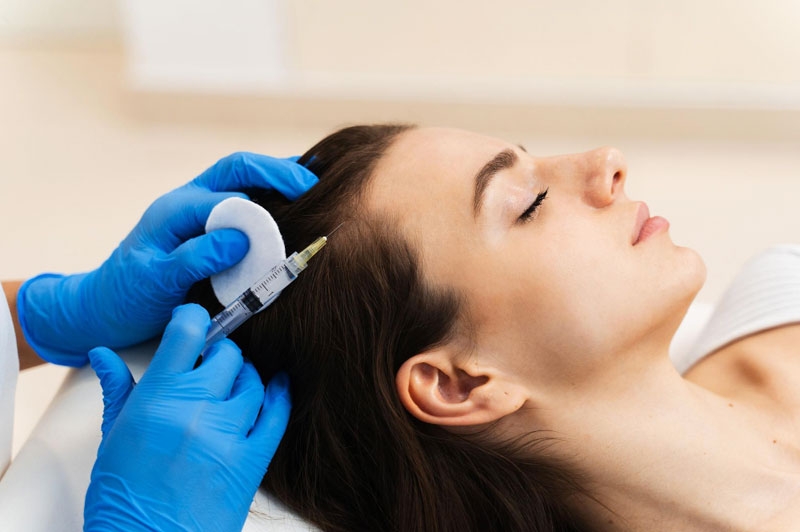
Hair loss is a common concern that affects both men and women at different stages of life. While surgical hair transplants have long been considered a reliable solution, many individuals today prefer less invasive methods to restore hair growth. One increasingly popular option is PRP Hair Treatment, a regenerative therapy that uses the body’s own platelets to stimulate hair follicles and encourage natural regrowth. Because this method does not require surgery, long recovery periods, or synthetic substances, it has become a preferred choice for individuals seeking a safe and effective approach to managing hair thinning.
Understanding Hair Loss and Its Impact:
Hair loss can occur gradually or suddenly depending on various biological and environmental factors. Dermatologists emphasize that understanding the underlying causes of hair thinning is essential before beginning any treatment plan. Hair follicles go through a natural cycle that includes growth, rest, and shedding phases, and disruptions in this cycle may lead to excessive hair fall.
Several factors can contribute to hair loss, including:
-
Genetic predisposition, particularly pattern baldness
-
Hormonal imbalances related to aging or medical conditions
-
Stress and lifestyle factors that affect overall health
-
Nutritional deficiencies, especially iron and protein shortages
-
Scalp conditions or inflammation that weaken hair follicles
These factors can cause hair follicles to shrink, produce thinner hair strands, or stop growing hair altogether, which is why modern treatments focus on revitalizing the follicle environment.
What Is PRP Therapy for Hair Restoration:
Platelet-rich plasma therapy is a regenerative medical treatment designed to stimulate healing and tissue regeneration. In hair restoration, the procedure uses a concentrated form of plasma derived from the patient’s own blood to support follicle activity.
The process begins with drawing a small amount of blood, which is then processed using a centrifuge to separate platelet-rich plasma from other components. This concentrated plasma contains growth factors that can help repair damaged tissues and stimulate dormant follicles when injected into the scalp.
Important features of PRP therapy include:
-
Uses the patient’s own biological material
-
Stimulates natural hair growth mechanisms
-
Requires minimal recovery time
-
Can be performed in outpatient clinical settings
These characteristics make PRP therapy a popular non-surgical alternative to traditional hair restoration procedures.
How PRP Stimulates Hair Regrowth:
Hair follicles rely on proper blood supply, nutrients, and cellular signals to maintain healthy growth cycles. Platelets are known for their role in healing injuries because they release growth factors that stimulate cell repair and tissue regeneration.
When platelet-rich plasma is injected into areas experiencing hair thinning, these growth factors interact with follicle cells and encourage them to re-enter the active growth phase. The treatment also improves circulation in the scalp, which provides follicles with the oxygen and nutrients they need to function properly.
Key biological effects of PRP therapy include:
-
Activation of dormant hair follicles
-
Strengthening of existing hair roots
-
Improved blood flow in scalp tissues
-
Stimulation of collagen production around follicles
These regenerative processes help support stronger, thicker hair growth over time.
Benefits of Choosing a Non-Surgical Hair Restoration Method:
Many people prefer non-surgical hair treatments because they involve fewer risks and less downtime than invasive procedures. PRP Hair Treatment offers several advantages for patients who want to restore hair growth without undergoing surgery.
Because the therapy relies on natural growth factors from the patient’s own blood, it is generally considered safe and well-tolerated. Most sessions are relatively quick, and patients can resume normal activities shortly afterward.
Benefits of non-surgical PRP therapy include:
-
Minimal discomfort during the procedure
-
No surgical incisions or scars
-
Short treatment sessions
-
Gradual and natural-looking results
-
Reduced risk of allergic reactions
These advantages make PRP therapy appealing for individuals seeking effective yet minimally invasive hair restoration options.
The Treatment Process and What Patients Can Expect:
The PRP procedure is usually performed in a medical clinic under the supervision of a trained specialist. The treatment is straightforward and typically completed within a single appointment lasting less than an hour.
The process generally includes the following steps:
-
A small blood sample is taken from the patient
-
The sample is placed in a centrifuge to isolate platelet-rich plasma
-
The prepared plasma is injected into targeted areas of the scalp
-
The patient can leave the clinic shortly after the procedure
Dermatologists often recommend multiple treatment sessions spaced several weeks apart to achieve optimal results. Over time, patients may notice improvements in hair thickness, density, and overall scalp health.
Who Can Benefit from PRP Therapy:
Not every type of hair loss responds equally to treatment, which is why dermatologists carefully evaluate each patient before recommending PRP therapy. The treatment tends to be most effective for individuals experiencing early stages of hair thinning rather than complete baldness.
Patients who may benefit from this therapy include:
-
Individuals with mild to moderate hair thinning
-
People experiencing early pattern hair loss
-
Patients looking for a non-surgical solution
-
Individuals wanting to strengthen existing hair follicles
A professional consultation helps determine whether PRP therapy is suitable for a particular hair loss condition.
Supporting Hair Health After Treatment:
While PRP therapy can stimulate hair regrowth, maintaining healthy hair also depends on lifestyle and scalp care. Dermatologists often advise patients to follow supportive practices that promote long-term hair health.
Helpful habits that support hair growth include:
-
Eating a balanced diet rich in vitamins and minerals
-
Managing stress through healthy lifestyle practices
-
Using gentle hair care products that protect the scalp
-
Attending recommended follow-up treatment sessions
These steps help maintain the benefits of regenerative therapies and support stronger hair growth over time.
Final Thoughts:
Hair restoration technology has advanced significantly, offering patients more options than ever before. PRP Hair Treatment stands out as a non-surgical approach that harnesses the body’s natural healing abilities to stimulate hair regrowth and improve scalp health. By delivering growth factors directly to weakened hair follicles, this therapy supports stronger and healthier hair growth without the need for invasive procedures. As regenerative medicine continues to evolve, PRP therapy is likely to remain an important option for individuals seeking effective and minimally invasive solutions for hair loss.