


Laser Beam Welding Machine: Precision Welding for Modern Industries
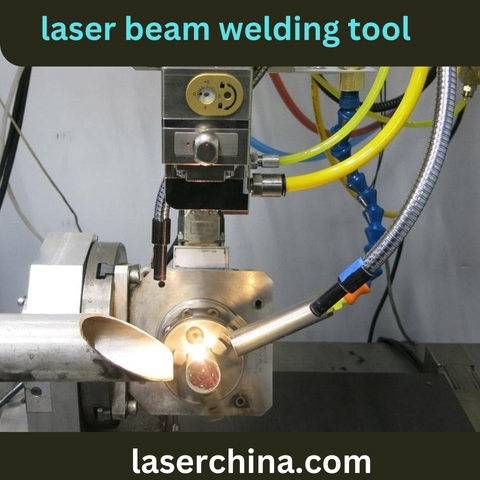
Modern manufacturing requires welding solutions that deliver accuracy, consistency, and high production efficiency. A laser beam welding machine is an advanced industrial system designed to join metal components using a highly concentrated laser beam. This technology is widely used in automotive manufacturing, electronics, aerospace, metal fabrication, and other industries where precise welding is essential.
Unlike traditional welding methods, laser welding uses focused energy to create strong and controlled welds. It allows manufacturers to work with different metal materials while maintaining excellent production quality.
How Does Laser Beam Welding Work?
A laser welding system generates a powerful beam of light and directs it toward the selected welding area. The concentrated energy heats the metal until it melts, allowing two metal surfaces to join together. As the material cools, it forms a solid welded connection.
The welding process can be controlled through adjustable parameters such as laser power, welding speed, beam focus, and material thickness. Proper parameter settings help achieve consistent results and reduce unnecessary heat exposure.
Depending on production requirements, manufacturers can choose handheld, automated, or robotic laser welding configurations.
Applications Across Different Industries
A laser beam welding machine is suitable for a wide range of industrial applications. Its precise welding process makes it useful for both small components and larger manufacturing projects.
Common applications include:
-
Automotive Industry: Welding vehicle body components, battery enclosures, metal frames, and automotive parts.
-
Electronics Manufacturing: Joining small metal components that require accurate and controlled welding.
-
Aerospace Production: Manufacturing precision metal assemblies and specialized structural components.
-
Stainless Steel Fabrication: Welding stainless steel products, kitchen equipment, and industrial enclosures.
-
Medical Equipment: Producing metal components that require clean and accurate joints.
-
Metal Processing: Supporting customized fabrication, machinery production, and industrial equipment manufacturing.
Materials Suitable for Laser Welding
Laser welding technology supports several commonly used industrial metals. Stainless steel, carbon steel, aluminum, copper, and certain alloy materials can be processed with suitable machine configurations.
However, each material responds differently to laser energy. Aluminum and copper, for example, may require specific laser settings because of their reflective properties and thermal characteristics.
Manufacturers should consider material type, thickness, joint design, and required welding quality before selecting equipment.
Choosing the Right Welding Equipment
Selecting suitable welding equipment is an important investment decision for any manufacturing business. Buyers should evaluate several factors before purchasing.
First, consider the required laser power according to the thickness and type of materials being processed. Next, examine the welding speed, cooling system, control interface, and compatibility with existing production equipment.
The working environment is another important consideration. Businesses with high production volumes may benefit from automated or robotic systems, while smaller workshops may prefer handheld equipment for flexible welding operations.
It is also important to check the manufacturer's technical support, warranty coverage, spare parts availability, and operator training services.
Why Businesses Are Investing in Laser Welding Technology
Manufacturing companies are increasingly exploring laser welding because modern production demands greater precision and repeatable results. A properly configured laser beam welding machine can support efficient workflows, controlled heat input, and consistent weld quality.
Its integration with automation systems also makes it suitable for manufacturers looking to modernize production lines. Businesses can select equipment according to their manufacturing requirements, available workspace, and long-term production targets.
Maintenance and Operating Considerations
Regular maintenance helps maintain equipment performance and extend its working life. Operators should inspect protective lenses, clean optical components according to manufacturer instructions, and monitor the cooling system.
Proper ventilation, laser safety enclosures, protective equipment, and trained operators are essential for safe operation. Industrial laser systems must be installed and operated according to applicable laser safety standards.
Following the recommended maintenance schedule can help prevent unexpected interruptions and maintain stable welding performance.
Final Thoughts
Laser welding technology continues to shape modern metal manufacturing by providing precise and controlled joining solutions. Whether used in automotive production, electronics, stainless steel fabrication, or customized metal processing, a laser beam welding machine offers manufacturers a flexible approach to meeting demanding production requirements.
Choosing the right system requires careful evaluation of material compatibility, laser power, production volume, and technical support. With suitable equipment and proper operating practices, businesses can improve their manufacturing processes and prepare for future industrial demands.

