


Is Fat Transfer Treatment Suitable for All Ages?
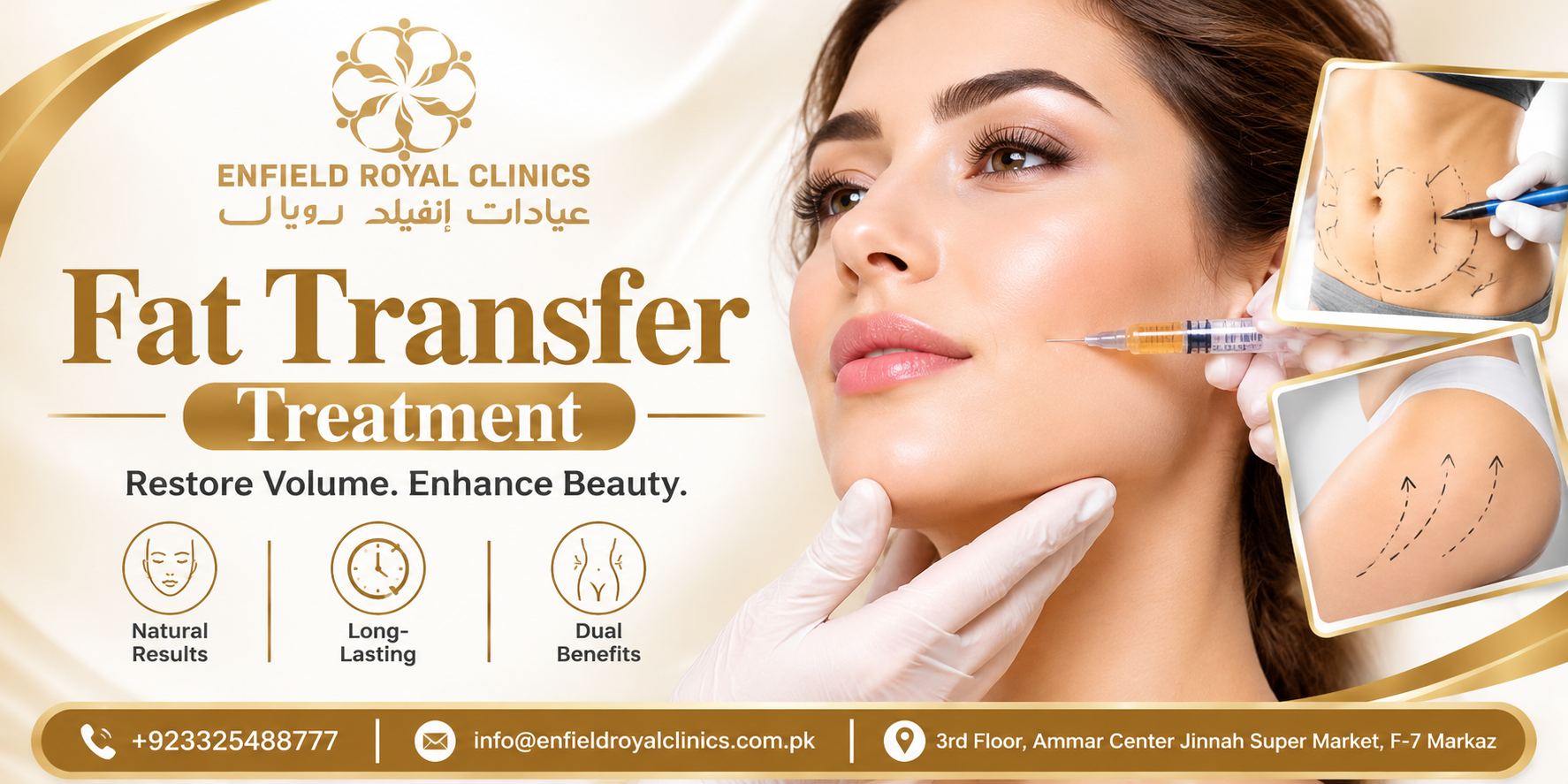
Fat transfer treatment is a cosmetic procedure that uses a person's own fat to restore volume, improve facial features, and enhance selected body contours. It has become an option for individuals who want natural-looking enhancement without relying on synthetic materials. However, one important question often arises before considering the procedure: is fat transfer suitable for people of every age?
The answer is no. Although fat transfer can benefit adults with different aesthetic concerns, age, physical development, general health, skin condition, and treatment goals all influence whether someone is a suitable candidate.
People researching Fat Transfer Treatment in Islamabad should understand that the procedure is not recommended simply because someone wants fuller cheeks, smoother contours, or enhanced body curves. A proper medical assessment is necessary to determine whether the treatment is appropriate and safe.
1. Does Age Matter When Considering Fat Transfer Treatment?
Age is an important consideration because the body changes throughout life. Facial fat distribution, skin elasticity, body composition, and natural healing ability can vary significantly between younger and older individuals.
However, age alone does not determine suitability. A person's overall health, physical development, available donor fat, and expectations are equally important.
Fat transfer is generally considered an elective cosmetic procedure for adults whose bodies have fully developed. Younger individuals may still be experiencing changes in facial structure and body proportions, so cosmetic enhancement is usually approached with greater caution.
For older adults, the treatment may help restore volume lost through ageing. Nevertheless, skin quality, medical history, and the presence of conditions that affect healing must be evaluated before surgery.
The main goal is to select candidates who can undergo the procedure safely and have realistic expectations about the results.
2. Is Fat Transfer Suitable for Younger Adults?
Younger adults may consider fat transfer when they want to improve specific facial or body contours. Some people naturally have hollow cheeks, uneven facial fullness, or areas with less volume due to genetics or body composition.
In suitable adults, fat transfer may help address these concerns by moving fat from a donor area to a selected treatment area.
Potential reasons younger adults may consider the procedure include:
-
Naturally hollow cheeks or temples.
-
Uneven facial volume.
-
Selected body contour irregularities.
-
A desire for fuller hips or other suitable areas.
-
Volume loss following certain injuries or previous procedures.
However, younger adults should not feel pressured to undergo cosmetic treatment because of temporary beauty trends or unrealistic appearance expectations.
A careful assessment should consider whether the concern is likely to change naturally over time. The individual's emotional readiness and understanding of surgical risks are also important.
Fat transfer is not a suitable shortcut for weight loss or a replacement for healthy lifestyle habits. It is intended for targeted volume enhancement in carefully selected candidates.
3. Can Middle-Aged Adults Benefit From Fat Transfer?
Middle-aged adults may consider fat transfer to address changes in facial volume and body contours. As the body ages, fat distribution can change, and some facial areas may gradually lose fullness.
This can make the cheeks appear flatter, the temples look hollow, and certain facial folds become more noticeable. Fat transfer may help restore volume in selected areas and create a refreshed appearance.
Potential benefits for suitable middle-aged candidates include:
Restoring cheek fullness: Transferring fat to areas with volume loss may improve facial contours.
Softening hollow temples: Carefully placed fat can help restore fullness around the upper sides of the face.
Improving selected facial irregularities: Fat grafting may address certain depressions or uneven areas.
Enhancing body contours: Fat may be transferred to suitable areas where additional volume is desired.
However, fat transfer does not address every sign of ageing. For example, significant loose skin may require a different approach because adding volume alone cannot tighten substantially sagging tissue.
A personalised treatment plan helps determine whether fat transfer alone can achieve the desired improvement or whether another option would be more appropriate.
4. Is Fat Transfer Treatment an Option for Older Adults?
Older adults may also be candidates for fat transfer, particularly when age-related volume loss affects their facial appearance. However, suitability depends more heavily on general health, skin condition, medical history, and recovery considerations.
Some older individuals have sufficient donor fat and good overall health, making them potentially suitable for the procedure. Others may have medical conditions or medications that increase surgical risks.
Important considerations include:
-
Heart and lung health.
-
Diabetes and blood sugar control.
-
Blood circulation and healing ability.
-
Medications that affect bleeding or clotting.
-
Skin elasticity and tissue condition.
-
Previous surgeries and medical history.
Older adults may have reduced skin elasticity, which can influence the final appearance. Fat transfer can restore some volume, but it may not correct significant skin laxity or deep wrinkles.
The expected outcome should therefore be discussed carefully before treatment. A qualified professional can assess whether the procedure offers a meaningful benefit compared with less invasive alternatives.
5. What Factors Determine Whether Someone Is a Suitable Candidate?
Age is only one part of the decision. Several other factors help determine whether a person can safely undergo fat transfer and achieve a satisfactory outcome.
Available donor fat: The procedure requires enough suitable fat for collection. Common donor areas include the abdomen, thighs, and flanks. Individuals with very little available fat may not be suitable for certain types of enhancement.
Overall health: Good general health supports surgical safety and recovery. Certain medical conditions may require treatment, additional evaluation, or an alternative approach.
Skin condition: Skin elasticity can influence how transferred volume appears. Significant loose skin may not improve through fat grafting alone.
Treatment goals: The desired enhancement should be realistic and appropriate for the person's anatomy. Fat transfer is designed for targeted contour improvement, not dramatic weight reduction.
Healing expectations: Patients must understand that swelling, bruising, and gradual changes in volume are part of recovery. Some transferred fat is naturally absorbed by the body.
For anyone considering Fat Transfer Treatment in Islamabad, a detailed consultation should cover these factors before a treatment decision is made.
6. Safety, Recovery, and Age-Related Considerations
Fat transfer is a surgical procedure, so it carries risks regardless of a person's age. Common temporary effects include swelling, bruising, tenderness, and discomfort at the donor and recipient areas.
Other possible complications include infection, bleeding, fluid accumulation, fat necrosis, lumps, uneven contours, and asymmetry. Some patients may require an additional session if the initial amount of surviving fat does not provide the desired volume.
The treatment area also affects the safety considerations.
Facial fat transfer requires careful placement because accidental injection into a blood vessel can rarely cause serious complications, including tissue damage, vision loss, or stroke.
Breast fat grafting may lead to fat necrosis, oil cysts, or calcifications that can appear on breast imaging. Patients should inform imaging professionals about their procedure.
Buttock fat transfer requires particularly strict safety precautions. Fat must be injected only into the subcutaneous tissue above the gluteal muscle, never into or beneath the muscle. Real-time ultrasound guidance is an important safety measure for confirming the injection plane because deep injection can cause a potentially fatal fat embolism.
Recovery varies according to age, treatment area, and individual health. Patients should follow instructions about activity restrictions, wound care, pressure on treated areas, and follow-up visits. Older adults or people with health conditions may need additional recovery support.
Fever, spreading redness, worsening pain, or unusual swelling should be assessed promptly. Chest pain, shortness of breath, fainting, sudden vision changes, or one-sided weakness require emergency medical attention.
7. Why Is a Personalised Consultation Important at Every Age?
No two people have exactly the same anatomy, health background, or cosmetic goals. This is why fat transfer should never be recommended based on age alone.
During a consultation, an appropriately qualified professional can review medical history, assess donor fat availability, examine the intended treatment area, and discuss possible results and complications.
Patients should also have the opportunity to ask questions about:
-
Whether the procedure is suitable for their age and health.
-
Which donor and treatment areas are appropriate.
-
How much volume may realistically be achieved.
-
How long recovery may take.
-
Whether additional treatment could be required.
-
What safety measures are used during the procedure.
This discussion helps individuals understand both the potential benefits and limitations before making a decision.
For more information visit Enfield royal clinic in islamabad
Frequently Asked Questions (FAQs)
1. Is fat transfer treatment suitable for young adults?
It may be suitable for adults whose physical development is complete and who have appropriate treatment goals, sufficient donor fat, and good overall health. A professional assessment is essential before surgery.
2. Can older adults undergo fat transfer treatment?
Yes, some older adults may be suitable candidates. However, their general health, skin elasticity, medications, and ability to recover from surgery must be evaluated carefully.
3. Is there a maximum age for fat transfer treatment?
There is no single maximum age that applies to everyone. Suitability depends on overall health, medical risks, physical condition, and the expected benefits of treatment rather than age alone.
4. Does age affect fat transfer results?
Age-related changes in skin elasticity, circulation, and healing may influence the outcome. However, results also depend on the treatment area, surgical technique, and how much transferred fat survives.
5. Can fat transfer reverse all signs of ageing?
No. It can restore volume in selected areas, but it cannot fully correct significant skin sagging, deep wrinkles, or structural changes. Other treatments may be more appropriate for those concerns.
6. How can someone know whether they are suitable for fat transfer?
A detailed consultation is the best way to determine suitability. The assessment should include medical history, donor fat availability, skin condition, treatment goals, and possible surgical risks.
Conclusion
Fat transfer treatment is not suitable for every age group or every individual. Younger adults may consider it after physical development is complete, middle-aged individuals may use it to restore lost volume, and some older adults may benefit when their health and skin condition allow.
Ultimately, age is only one factor in determining suitability. General health, available donor fat, treatment goals, and recovery expectations are equally important. A personalised medical assessment helps ensure that the procedure is considered for the right reasons and with realistic expectations.

